IFT Physiotherapy Benefits, Uses & Side Effects: The Complete Guide



Dr. Krutika Bhadane
PT (Neuro), BPTh, MPTh (Neurosciences), 3+ years clinical
experience in neurological rehabilitation
IFT Physiotherapy Benefits, Uses & Side Effects: The Complete Guide
Interferential therapy (IFT) is one of the most commonly used electrotherapy treatments in physiotherapy. It is valued for relieving deep pain, easing muscle spasms and reducing swelling without medication.
If you have been advised to try IFT, or you want to understand what it does before your first session, this guide explains the common uses of IFT, the benefits patients may experience, its physiological effects and the possible side effects you should know about.
What Does IFT Physiotherapy Treat?
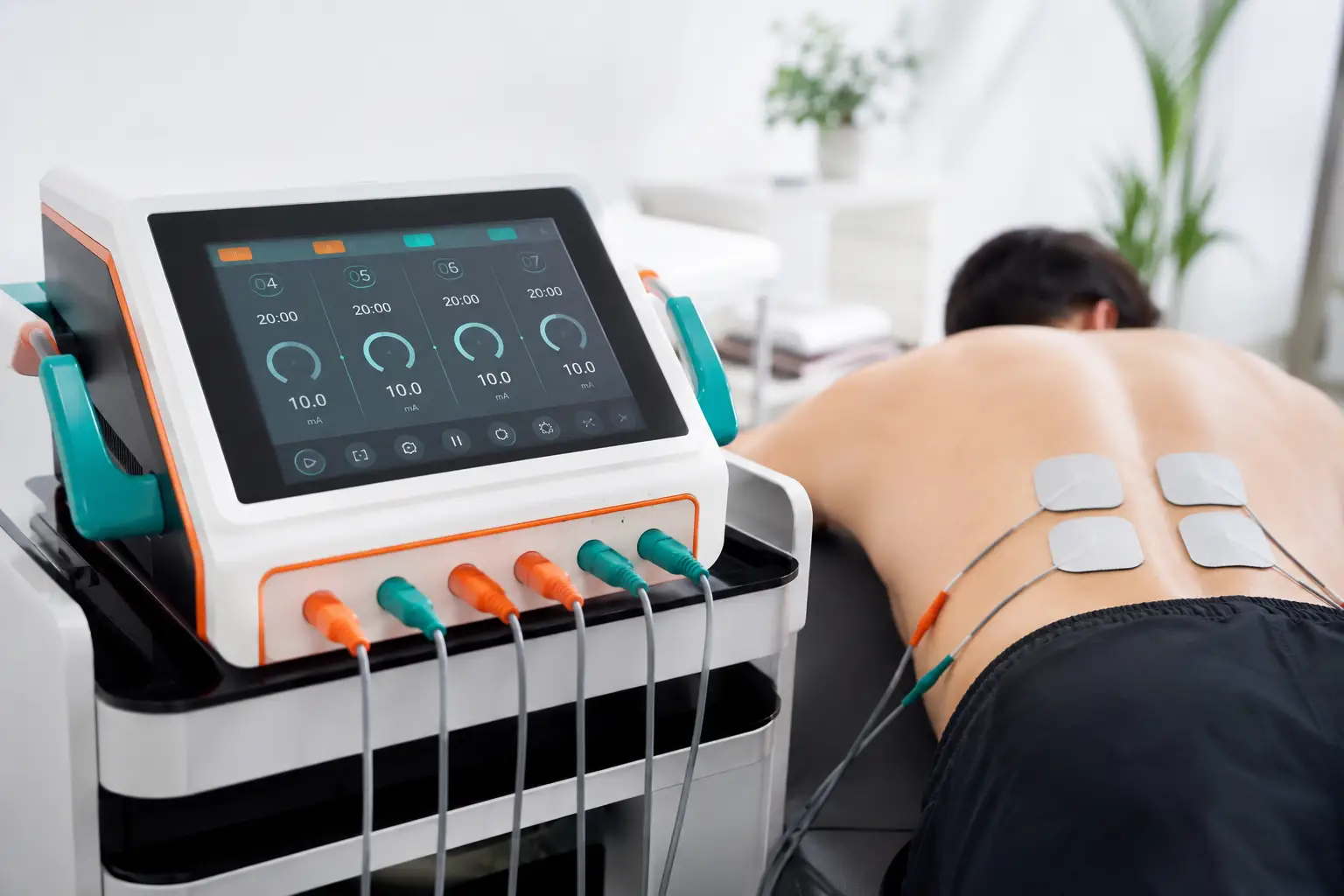
Physiotherapists may use IFT when pain or swelling affects tissues that are difficult to target using surface treatments such as heat packs, creams or basic TENS units. The two electrical currents used during IFT cross within the tissue, allowing the treatment to influence muscles, joints and nerves below the skin.
IFT physiotherapy is commonly used for:
- Deep joint and muscle pain, including lower back pain, knee pain and shoulder pain
- Swelling and fluid build-up following an injury or surgical procedure
- Muscle spasms and protective muscle guarding around a painful area
- Nerve-related pain, including pain associated with sciatica
- Stiffness and discomfort during the early stages of rehabilitation
- Pain that makes active exercise or movement difficult during initial treatment
IFT is rarely used as a stand-alone treatment. Physiotherapists usually include it within a broader rehabilitation programme involving manual therapy, mobility exercises, strengthening and posture correction. Electrotherapy can help control symptoms, but exercise and movement-based treatment are often required to address the underlying cause.
Key Benefits of IFT Therapy
IFT offers several practical advantages when it is used for an appropriate condition and administered by a qualified physiotherapist.
- Drug-free pain relief: IFT may be useful for people who want to reduce their reliance on pain-relief medication or cannot tolerate certain medicines.
- Comfortable deep-tissue treatment: IFT can influence deeper tissues without requiring an uncomfortable electrical intensity at the skin.
- Non-invasive treatment: The procedure does not involve needles, incisions or a separate recovery period.
- Can be combined with rehabilitation: IFT may be provided alongside manual therapy, mobility exercises and strengthening during the same physiotherapy appointment.
- Short treatment duration: A typical application may take approximately 10 to 20 minutes, depending on the condition and treatment plan.
- Suitable for different conditions: Physiotherapists use IFT for selected sports injuries, post-surgical stiffness, musculoskeletal pain and chronic pain conditions.
Some patients notice a difference in pain or movement within the first few sessions. However, the response varies according to the diagnosis, severity of symptoms and whether the condition is recent or long-standing.
Physiological Effects of IFT on the Body
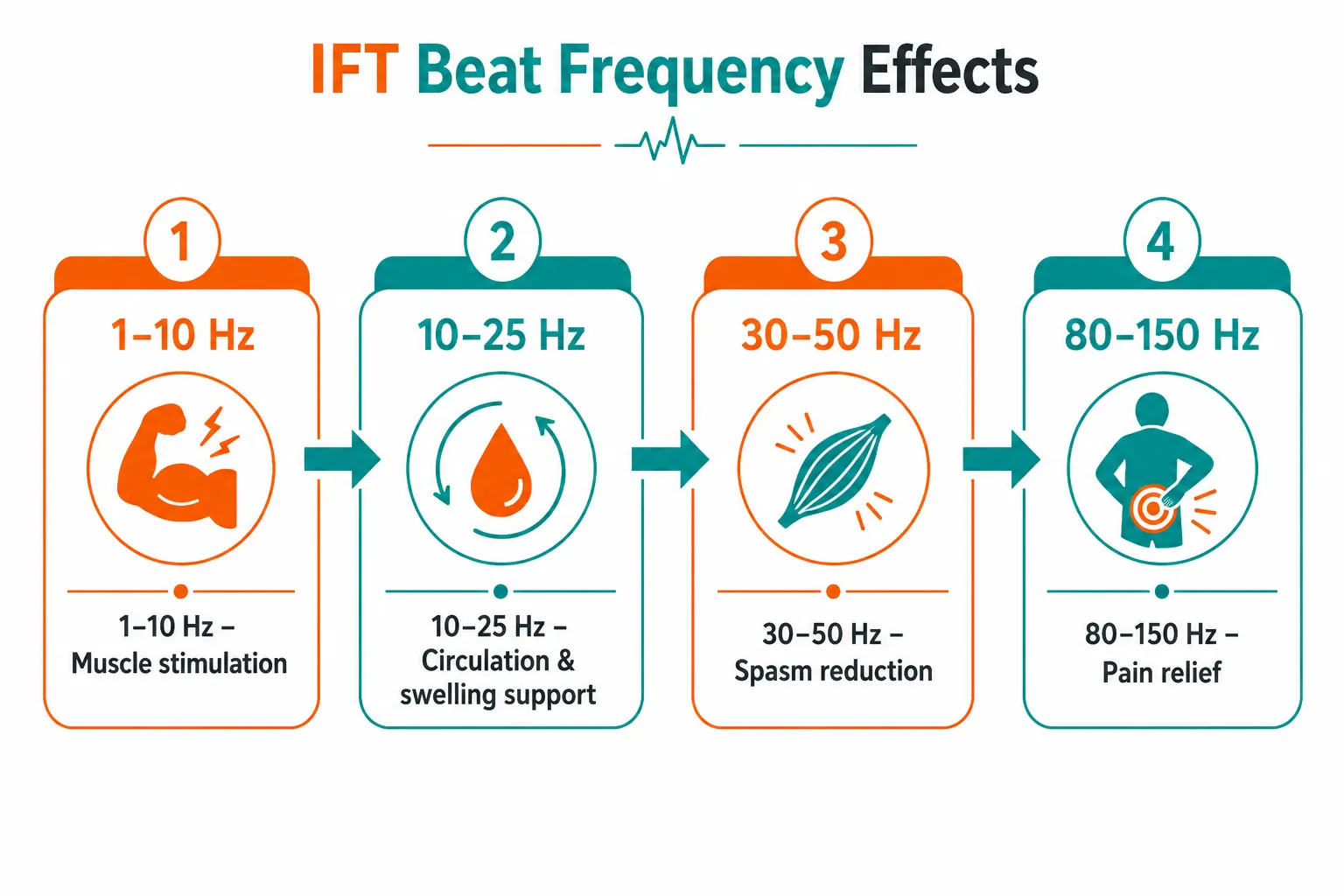
The therapeutic effect of IFT comes from the beat frequency produced where two electrical currents cross inside the tissue. A physiotherapist adjusts the beat frequency according to the treatment objective.
- Lower beat frequencies: These may be used to stimulate muscle activity and support muscle re-education following an injury.
- Slightly higher beat frequencies: These settings may help reduce muscle spasms and protective guarding associated with acute pain.
- Higher-frequency ranges: These are commonly used for pain relief. They may work through the pain-gate mechanism, where competing sensory signals reduce how strongly pain is perceived.
- Sweeping frequency ranges: These may be used to support local circulation and assist with swelling management.
The effects of IFT depend on the frequency, intensity, treatment duration and electrode placement selected. The settings should not be treated as generic. A physiotherapist selects them after considering the condition, whether it is acute or chronic, and how the patient responds during treatment.

Are There Any Side Effects of IFT?
IFT has a good safety record when it is administered by a trained physiotherapist. Most patients tolerate it well. When side effects occur, they are generally mild and short-lived.
- Mild skin redness or tingling: Temporary redness or tingling may occur beneath the electrode pads and usually settles shortly after treatment.
- Temporary skin sensitivity: Patients with sensitive skin may experience mild irritation. The physiotherapist can adjust the intensity or change the electrode placement if needed.
Who Should Avoid IFT Treatment?
IFT is not appropriate for every patient. It is generally avoided or used only after medical clearance in the following situations:
- During pregnancy, particularly around the abdomen, pelvis or lower back
- In patients with pacemakers or other implanted electronic devices
- Over areas affected by active cancer
- In patients with suspected or confirmed deep vein thrombosis
- Over broken, infected or severely irritated skin
- Over areas with significantly reduced sensation
- When the patient cannot reliably communicate discomfort during treatment
A qualified physiotherapist in Pune will screen for these factors before beginning treatment. This assessment ensures that IFT is used only when it is safe and clinically appropriate.
When to See a Physiotherapist Instead of Self-Treating
The benefits of IFT depend on an accurate diagnosis, correct electrode placement and suitable frequency and intensity settings. For this reason, IFT should not be attempted using a generic home device without professional guidance.
A physiotherapist does more than operate an electrotherapy machine. The physiotherapist assesses the painful area, identifies the likely cause, checks for contraindications and combines IFT with the exercises and manual treatment needed to support lasting recovery.
If you have deep or persistent pain that has not improved with rest, heat or over-the-counter medication, consider getting the condition properly assessed instead of selecting a treatment through guesswork.
Book an IFT Physiotherapy Assessment
Our physiotherapy team will assess your symptoms and confirm whether IFT is suitable for your condition before your first treatment session.
Frequently Asked Questions
1. Is IFT safe for regular or repeated use?
Yes, IFT is generally considered safe for repeated use when supervised by a qualified physiotherapist. The settings should be reviewed during each session according to the patient’s response. A treatment plan may include approximately 6 to 12 sessions, although the actual number varies according to the condition.
2. How soon will I feel the benefits of IFT?
Some patients notice a reduction in pain within the first few sessions. The response depends on the cause of the pain, its severity and how long the condition has been present. Your physiotherapist will monitor progress and adjust the treatment plan when needed.
3. Can the side effects of IFT be prevented?
Mild redness beneath the electrodes may be minimised by adjusting the current intensity, checking the skin and changing electrode placement. Pre-treatment screening also identifies conditions in which IFT should not be used.
4. Does IFT work for chronic pain as well as acute injuries?
IFT may be used for both acute and chronic pain when clinically appropriate. Acute conditions may respond within fewer sessions, while long-standing conditions may require a broader rehabilitation programme and a longer treatment period.
5. Is IFT alone enough, or do I need other physiotherapy treatments?
IFT works best as part of a complete physiotherapy plan. It may help reduce pain, muscle spasms and swelling, but lasting improvement often requires strengthening, mobility exercises, posture correction and manual therapy to address the underlying problem.
6. Is IFT physiotherapy available at Apricot Care?
Yes. Apricot Care provides IFT physiotherapy under qualified supervision. The treatment settings and electrode placement are selected according to each patient’s condition, symptoms and recovery needs.
This article is intended for general information and does not replace an in-person assessment. Please consult a qualified physiotherapist or medical professional for a diagnosis and treatment plan suited to your condition.
.webp)