Inpatient vs. Home Care: Which Neuro Rehab Option is Right for Your Loved One in Pune?


Dr. Arpita Ganguly
BPT, MPT (Neuro), 6+ years clinical
experience in neuro rehabilitation & functional recovery
When a loved one faces a neurological condition, the decision between inpatient rehab or home care can be overwhelming. Both options offer distinct advantages, but choosing the right one can significantly impact their recovery and well-being. Let’s dive into these options to help you make an informed decision for your family member in Pune.
Understanding Neuro Rehabilitation
Neuro rehabilitation is designed to help individuals recover from serious neurological conditions such as stroke, brain injuries, spinal cord injuries, and other disorders affecting the brain and nervous system. It aims to restore the patient's physical and cognitive abilities through a combination of therapies.
As you explore rehabilitation options for your loved one, it’s important to understand the difference between inpatient care and home care, as well as which might be best suited to their needs.
What’s the Difference Between Inpatient and Home Care?
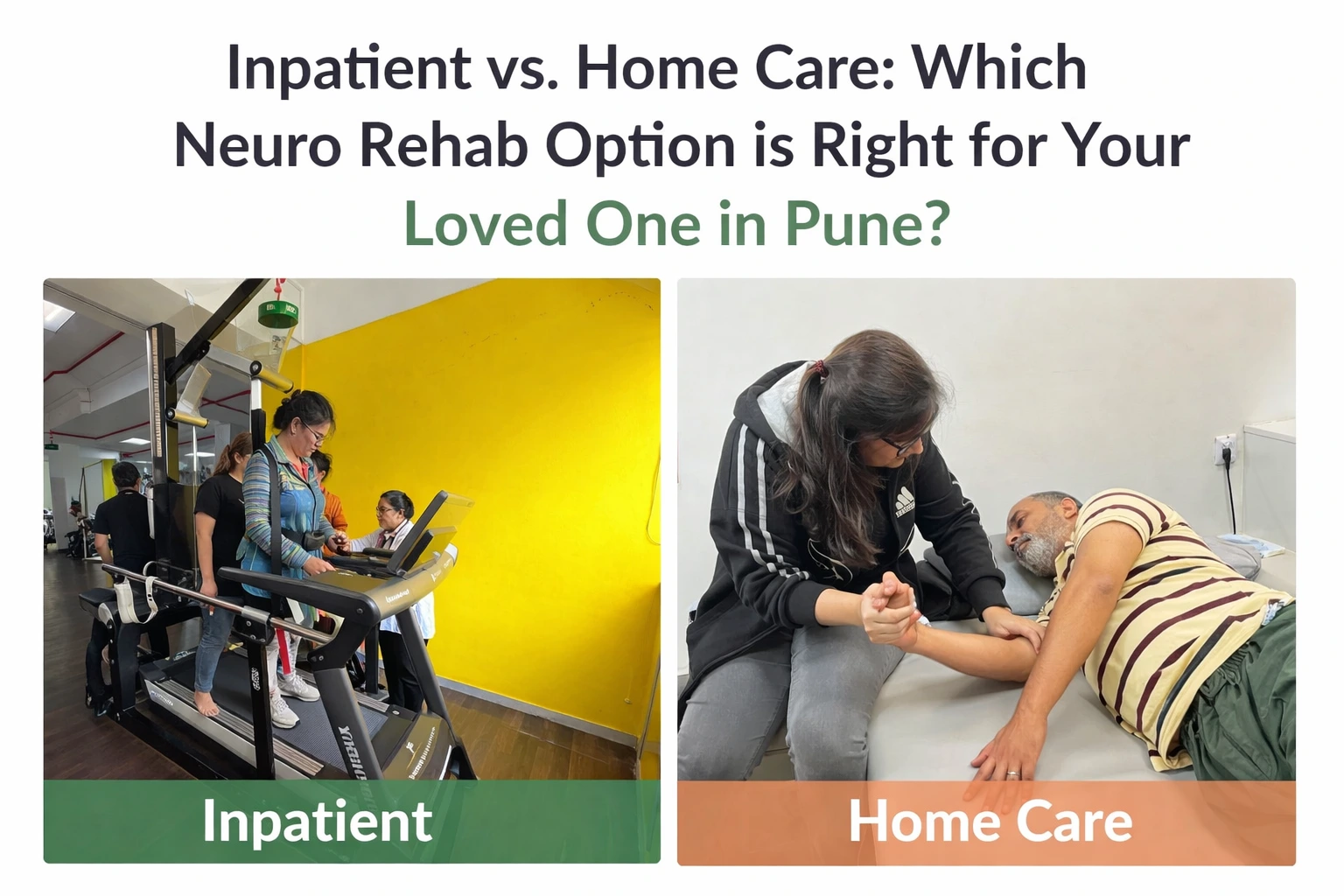
Inpatient
Neuro Rehabilitation:
Inpatient
rehabilitation refers to a residential program where the patient stays at a
specialized center or hospital. These centers provide 24/7 medical
supervision, intensive therapy, and monitoring.
Home
Care:
Home care involves sending
therapists or medical professionals to the patient’s home, where they
continue rehabilitation at a more relaxed pace, but with less frequent
supervision than inpatient care.
Both options offer distinct advantages depending on your loved one’s specific needs. Let’s break down these options in more detail to see which one is the best fit.
Inpatient Neuro Rehabilitation: The Pros and Cons
Pros of Inpatient Care
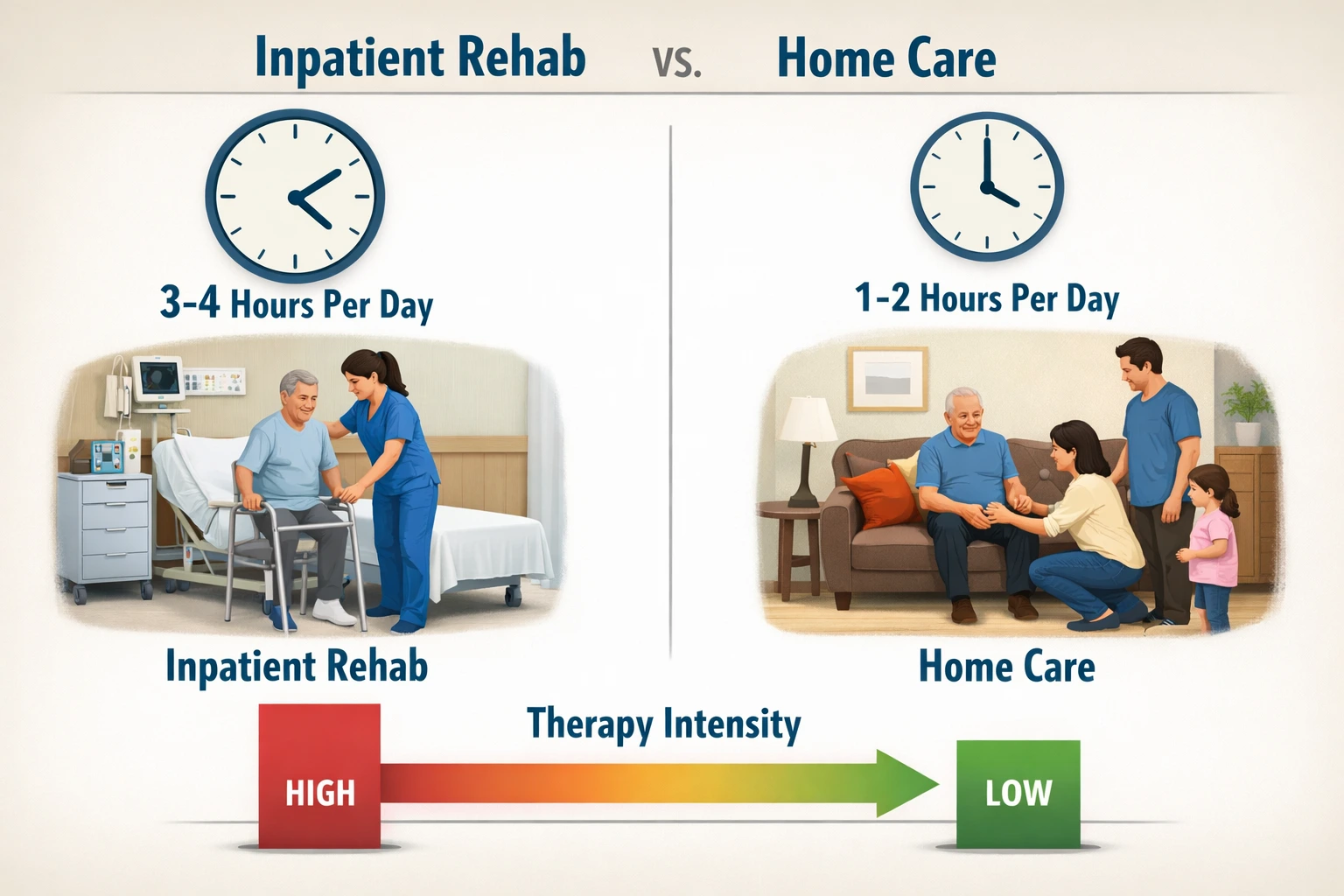
- Comprehensive and Intensive Treatment: Inpatient care offers intensive therapy with several hours of treatment every day. It can be ideal for patients who need a high level of medical supervision.
- Access to Advanced Equipment: Facilities like Robotic Neuro Rehabilitation in Pune offer cutting-edge technologies that help improve recovery times and overall outcomes.
- Multidisciplinary Team Approach: A team of doctors, therapists, psychologists, and other medical professionals will work together to develop and implement a recovery plan tailored to your loved one’s needs.
- Emergency
Support: In case of complications, inpatient care
provides immediate medical attention. This is especially beneficial
for patients recovering from serious conditions like stroke or
spinal injuries.
Cons of Inpatient Care
- Higher Costs: Inpatient rehab typically costs more due to the 24/7 care and advanced facilities. If you’re on a budget, this could be a significant concern.
- Disruption of Familiar Environment: Being away from home can be difficult for many patients, especially those who thrive in familiar settings. It can cause stress, affecting their emotional well-being.
- Limited Family
Involvement: Although visitors are allowed, family
members aren’t as actively involved in the daily rehabilitation
process compared to home care.
Home Care: The Pros and Cons
Pros of Home Care
- Comfort of Familiar Surroundings: Recovering at home allows your loved one to remain in a familiar environment with their family, pets, and personal comfort.
- More Affordable Option: Generally, home care is more affordable than inpatient rehab, especially for long-term rehabilitation.
- Flexibility and Personalization: The rehab schedule is more flexible, with the patient and family able to determine the best times for therapy. It also allows for one-on-one attention from the caregiver.
- Family Involvement: Family members are encouraged to participate in the care process, which can boost emotional support and improve rehabilitation outcomes.
- Less Stressful:
For patients who are anxious or feel overwhelmed by hospitals, home
care provides a more relaxed atmosphere,
making it easier to focus on recovery.
Cons of Home Care
- Limited Medical Supervision: While therapists and medical professionals may visit, the absence of a full-time medical team means fewer emergency resources if complications arise.
- Lack of Advanced Equipment: Not all homes are equipped with the latest medical devices or technologies that could aid in recovery, such as robotic rehabilitation or specialized therapy tools.
- Family Burden: Home care places the responsibility on the family to ensure that the patient follows their therapy schedule, which can lead to caregiver burnout if not managed well.
The Surprising Truth About Combining Inpatient and Home Care
What many people don’t realize is that combining inpatient and home care might be the most effective approach. Starting with inpatient care allows patients to receive intensive therapy in a medically supervised setting, and then transitioning to home care helps them maintain progress in a familiar and supportive environment.
This hybrid model is especially useful for patients recovering from stroke or spinal cord injury, where the need for intensive therapy at the beginning is crucial, but later stages benefit from the emotional support and flexibility that home care offers.
Factors to Consider Before Choosing Between Inpatient and Home Care
When making this decision, there are a few factors that will help determine the best option for your loved one:
1. Severity of the Condition
If your loved one has a serious injury or stroke, inpatient care might be necessary for a more structured and supervised recovery process. However, for less severe cases, home care may be sufficient.
2. Budget and Insurance Coverage
Inpatient care tends to be more expensive. However, some insurance plans may cover more of the cost for inpatient rehabilitation. It’s worth checking with your provider to see what’s covered.
3. Patient’s Comfort and Emotional Needs
Consider your loved one’s comfort and emotional well-being. If they are likely to feel more at ease in a familiar environment, home care might be the better option. However, if they need round-the-clock care, inpatient care may be more appropriate.
4. Family Support Availability
Family support plays a significant role in recovery, especially in home care. If the family is unable to provide the necessary support, inpatient care might be better suited for the patient’s needs.
5. Local Resources in Pune
In Pune, there are several best neuro rehabilitation centres, but some, like Apricot Care Assisted Living and Rehabilitation, offer a balanced approach with home-based services as well as inpatient options, making them a flexible choice for many families.
Which Option is Right for Your Loved One?
Ultimately, the decision between inpatient and home care boils down to your loved one’s specific condition, your family’s ability to support them, and your budget. Inpatient care may be the better choice for those who need intensive, medically supervised care in the early stages of recovery. Home care, on the other hand, offers comfort, flexibility, and a lower cost for those who can manage rehabilitation with a team of visiting specialists.
For many, a combination of both options may be the key to achieving the best possible outcome.
Conclusion
Choosing between inpatient and home care is a critical decision in the recovery process. Each option has its benefits and challenges, so it’s important to evaluate the specific needs of your loved one. At the end of the day, what matters most is finding the best rehabilitation centre or care model that aligns with your family’s goals and your loved one’s recovery journey.
Are you ready to take the next step toward helping your loved one recover? Whether you choose inpatient or home care, ensuring they receive the best care possible is what truly matters.
If you're considering neuro rehabilitation for your loved one, Apricot Care Assisted Living and Rehabilitation offers both inpatient and home care options tailored to your loved one's needs.
Reach out to us today to discuss the best rehabilitation plan for them!
With 6 years of experience, she specializes in neuro-rehabilitation, geriatric care, and balance training to help patients improve mobility and functional independence.
.webp)