What is Neuroplasticity? How Your Brain Can Rewire Itself After a Stroke

Apricot Care
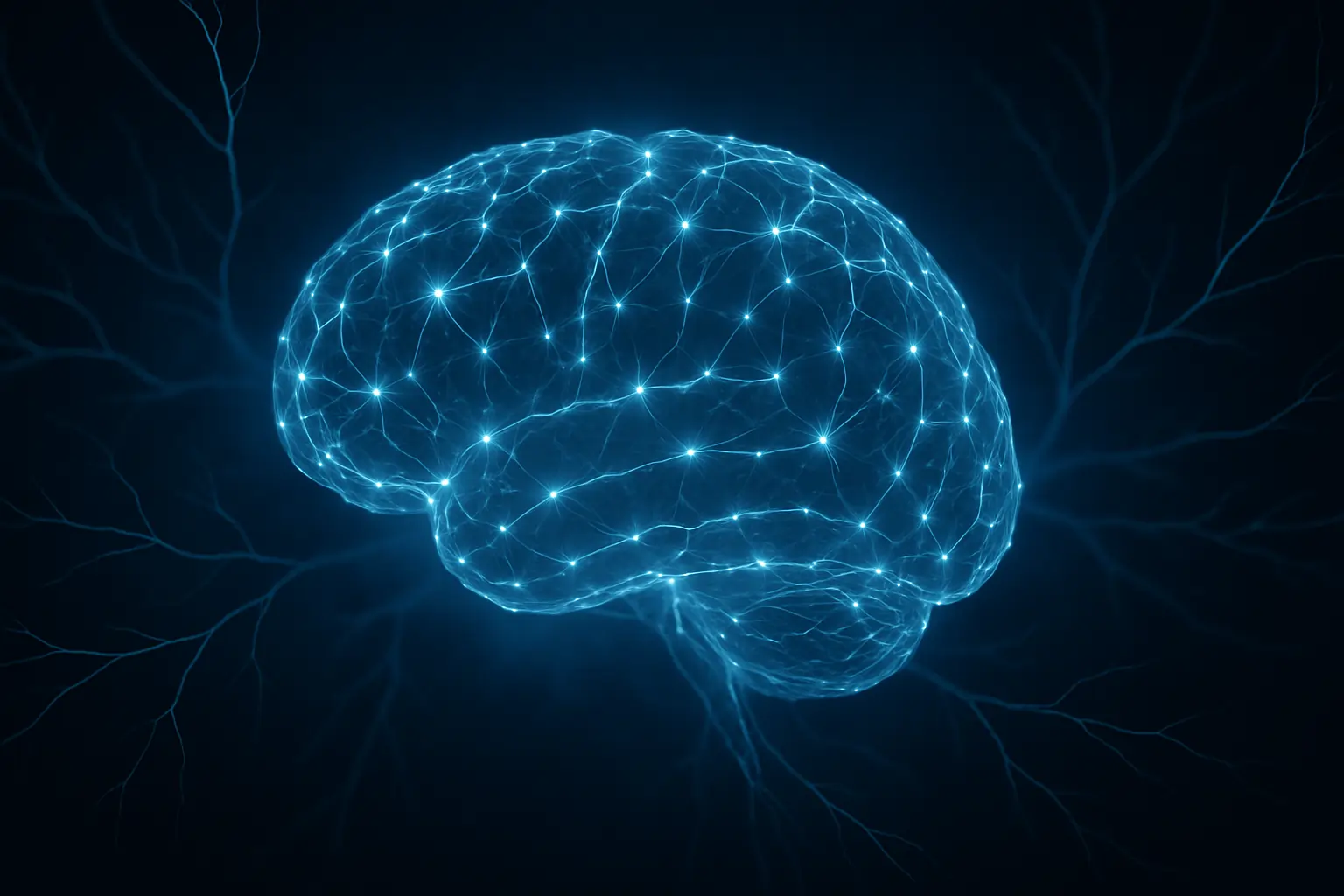
Neuroplasticity is your brain's natural ability to reorganize itself, create new connections, and recover lost functions after a stroke by rewiring damaged pathways to healthy areas of the brain.
When your brain suffers a stroke, it seems like the damage is permanent. But here's what medical research shows us: your brain is far more adaptable than doctors once believed. At Apricot Care Assisted Living and Rehabilitation in Pune, we work with stroke survivors every day who prove that recovery is possible. The secret lies in understanding how neuroplasticity works and using the right rehabilitation strategies to activate it.
Why You Need to Know About Neuroplasticity
A stroke damages brain cells. When this happens, the functions controlled by those damaged cells like movement, speech, or memory suddenly stop working. Families panic. Patients feel hopeless. But neuroplasticity changes everything. It means your brain can learn new ways to do old tasks. Your healthy brain regions can take over jobs that damaged regions used to handle.
This is not theoretical. This is what we see happening in our neuro rehabilitation Pune facility every week. Patients who couldn't move their right arm begin lifting small objects. Patients who lost their speech start speaking sentences again. This recovery happens because of neuroplasticity and because of the right therapy at the right time.
What Exactly is Neuroplasticity?
Think of your brain as a living network of roads. Each road connects different neighborhoods. Cars travel these roads constantly, carrying messages between neighborhoods. When a stroke happens, it's like a major road gets blocked or destroyed.
Without neuroplasticity, traffic stops. Functions fail. You lose abilities.
But neuroplasticity is your brain's construction crew. It rebuilds the damaged road. It creates new routes around the damage. Over time, cars (messages) find new paths. Neighborhoods (brain regions) start talking to each other again through new routes. Functions begin returning.
Your brain uses about 100 trillion connections to store information and control your body. Neuroplasticity is the process where your brain rewires these connections after injury.
The Two Types of Neuroplasticity That Matter for Stroke Recovery
Your brain recovers through two main types of changes.
Functional Neuroplasticity means your brain moves a function from a damaged area to a healthy area. If a stroke damages the motor cortex on your left side which is the part controlling right arm movement, your brain can reassign that job to other areas. The right side of your brain, which normally handles left-side movement, might step in. Or other regions might learn the job. This is why neuro rehab centre therapies work: they help retrain your brain to use new pathways.
Structural Neuroplasticity means physical changes happen in your brain. New connections form between neurons. Damaged neurons sprout new branches called dendrites. New neurons are created in some brain areas. The brain actually changes its physical structure. This is why consistent physiotherapy in Pune shows results. Each repetition of an exercise strengthens the new neural pathways physically.
At Apricot Care, our best physiotherapy Pune approach focuses on activities that trigger both types of neuroplasticity simultaneously.
How Your Brain Rewires Itself: The Actual Mechanisms
Understanding the mechanics helps you appreciate why post stroke care Pune demands consistency and time.
Dendritic Sprouting and Axonal Growth
When a neuron's normal pathway gets blocked, nearby neurons get active. They grow new branches called dendrites reaching toward the damaged area. These new branches search for new connections. Within days of a stroke, these sprouts begin forming. Within weeks, stronger connections develop.
This is why therapists push patients to start moving affected limbs early. Every movement stimulates these new growths.
Synaptic Plasticity
Synapses are the connection points where neurons talk to each other. When you repeat an action like lifting your arm, saying a word, or moving your leg, the signals traveling across synapses become stronger. It's like a path through the forest: the more you walk it, the clearer it becomes.
Repetition matters enormously. This is not motivational talk. This is neuroscience. More repetitions equal stronger pathways equal faster recovery.
Cortical Reorganization
Your brain's cortex (outer layer) has functional maps. One region handles movement. Another handles sensation. Another handles speech. When one region gets damaged, neighboring regions expand to fill the gap. Healthy brain tissue physically reorganizes its responsibilities.
This happens automatically in the early phases. But therapies, especially constraint-induced movement therapy and intensive rehabilitation, accelerate the process significantly.
The Role of the Other Hemisphere
Your brain has two halves. Normally, the left hemisphere controls the right side of your body, and the right hemisphere controls the left side. After a stroke, the undamaged hemisphere can increase its activity to help control the affected side. Your healthy brain compensates for damage.
This compensation is temporary support. The goal is to retrain the damaged side's hemisphere to recover its original function. That's why neuro rehabilitation Pune facilities use targeted therapies instead of just letting the other hemisphere take over permanently.
The Timeline: When Recovery Happens
Stroke recovery has phases. Understanding these phases changes expectations and treatment approaches.
The Acute Phase: First 7 Days
Immediately after a stroke, your brain enters emergency mode. Doctors focus on preventing additional damage and stabilizing your condition. The brain begins automatic recovery processes called "spontaneous recovery." Some functions partially return without any therapy. This is your brain attempting to heal itself.
During this window, early mobilization matters. Moving your limbs gently, even in these first days, sends signals that activate recovery mechanisms.
The Subacute Phase: Weeks 1 to 6 Months (Your Critical Window)
This phase is where your brain is most flexible and recovery-ready. Most dramatic improvements happen here. Your brain shows the highest capacity for change. This is when therapies show the strongest results.
Research shows that patients receiving stroke care in Pune starting within two weeks see better outcomes than those starting later. More sessions during this phase ideally 40+ sessions in six months produce significantly better results.
The brain at this stage is like wet concrete. Shape it now, and it hardens in that shape. Skip this window, and the concrete sets without proper structure.
The Chronic Phase: 6+ Months to Years
Recovery slows but does not stop. Patients continue improving for 12 to 24 months or even longer. At our neuro rehab centre, we see consistent progress in patients years after their stroke. But this requires continued, consistent therapy.
Younger patients (under 70) typically improve continuously until 12 to 24 months. Older patients may plateau earlier, but recovery still progresses with proper rehabilitation.
What Actually Makes Recovery Happen: Evidence-Based Therapies
Neuroplasticity is the mechanism. But what activates it? Specific therapies proven to work.
Repetitive Practice: The Foundation
Your brain changes through repetition. Not through understanding. Not through passive listening. Through doing the action over and over.
Speech therapy for aphasia uses 200+ word repetitions per session. Why? Because that many repetitions rewire language pathways. Physical therapy focuses on performing movements dozens or hundreds of times because each repetition strengthens neural pathways physically.
At our rehabilitation centre Pune location, therapists count repetitions obsessively. Not because it's busy work. Because each repetition literally builds new brain connections.
Constraint-Induced Movement Therapy (CIMT)
This approach sounds extreme but works dramatically. Therapists restrict the healthy limb and force the stroke-affected limb to work. The patient performs intensive, repetitive movements. Sometimes this goes up to 6 hours daily for three weeks.
This forces the brain to activate pathways controlling the weak limb. Results: patients show measurable motor improvements lasting two years post-treatment. No placebo effect. Real brain reorganization.
Mirror Therapy
A mirror is placed between a patient's limbs, creating an illusion. The patient sees their healthy limb appear to be the affected limb. When they move the healthy side, it looks like the weak side moved normally.
This simple visual trick activates the brain's mirror neuron system. Mirror neurons respond to seeing movement as if performing it yourself. It works for motor recovery, pain reduction, and sensory improvements.
Modern Technology-Based Therapy
Virtual reality rehabilitation lets patients perform hundreds of controlled movements in an immersive environment. Real-time feedback shows if they performed correctly. Robotic-assisted therapy provides precise, repeatable movements.
These technologies matter because they allow consistent, high-repetition therapy that matches neuroplasticity requirements.
How Much Therapy Do You Actually Need?
Recovery success depends on dose.
Research shows that patients receiving more than 75 minutes of daily therapy show 14 percent reduction in hospital readmission. Patients completing over 40 therapy sessions in six months achieve significantly better outcomes. Patients receiving 20 to 300 total hours of therapy show substantial motor improvement.
This is not about working harder. It's about matching therapy to neuroplasticity demands. Your brain needs hundreds or thousands of repetitions to rewire pathways. One session weekly won't provide that. Five sessions weekly provides better stimulus for change.
At Apricot Care's neuro rehabilitation Pune program, we structure intensive therapy during the critical subacute window because research proves this timing works best.
The Lifestyle Factors That Boost Neuroplasticity
Therapy is one part. Living right is another.
Sleep Activates Neuroplasticity
Sleep does not just rest your brain. Sleep reorganizes neural pathways. During sleep, your brain processes and strengthens memories and skills practiced while awake. Sleep disorders worsen stroke recovery outcomes. Sleep-promoting therapies improve recovery.
If you want your brain to rewire itself, you need good sleep. Not just one night, but consistent sleep quality throughout recovery.
Exercise Stimulates Brain Change
Exercise increases BDNF (brain-derived neurotrophic factor). This is a substance that promotes nerve growth and new connection formation. Research recommends 150 minutes of moderate-intensity exercise weekly, plus strength training twice weekly.
Patients who exercise regularly after stroke show faster recovery, better balance, increased walking speed, and lower risk of repeat strokes. This is not because exercise strengthens muscles. It's because exercise strengthens the brain.
Nutrition Supports Recovery
Your brain rebuilds itself. Rebuilding requires raw materials. Proper nutrition provides those materials. Healthy diet, combined with exercise and sleep, creates optimal conditions for neuroplasticity.
Mental Health Matters
Depression and anxiety after stroke are common. They also impair recovery. Patients struggling emotionally show slower neuroplasticity activation. Mental health support like counseling, community connection, and purpose accelerates physical recovery.
Age Does Not Determine Recovery
Here's what surprises most people: age is not destiny.
Younger patients (under 70) typically show continuous improvement for 12 to 24 months. Older patients may show faster early recovery but plateau earlier. However, older patients continue improving with consistent therapy. We treat patients over 80 showing meaningful recovery one year post-stroke.
The difference: older patients may need modified therapies and closer medical monitoring. But the neuroplasticity mechanism works at any age. Consistent therapy produces results regardless of age.
Common Stroke Effects and What Recovery Looks Like
Different stroke locations cause different deficits. But all respond to neuroplasticity-based recovery.
Movement loss (hemiplegia): Regaining arm function, leg strength, walking ability through repetitive movement therapy and constraint-induced approaches.
Speech problems (aphasia): Rebuilding language through intensive speech therapy involving hundreds of word repetitions and communication practice.
Sensory loss: Retraining sensation through varied tactile exercises. Different textures, temperatures, and pressures stimulate sensation pathways.
Cognitive issues: Improving memory, attention, and processing through cognitive exercises and mental practice.
All these deficits improve when therapy matches neuroplasticity demands: sufficient intensity, adequate repetition, correct timing.
Why Apricot Care's Approach Works
Our best physiotherapy Pune program works because it's built on neuroplasticity science.
We start stroke care in Pune early. Ideally within two weeks of stroke. We provide intensive therapy during the critical subacute phase. Our neuro rehab centre uses evidence-based approaches: constraint-induced therapy, repetitive practice, mirror therapy, and emerging technology. We emphasize 40+ sessions in six months, knowing this dose produces better outcomes.
We monitor sleep, exercise, and mental health because neuroplasticity depends on these factors. We tailor approaches to individual age, severity, and goals. We continue therapy beyond six months because recovery continues.
This is why stroke survivors in our rehabilitation centre Pune facility show meaningful improvements months and years after their initial events.
Taking Action After a Stroke
If you or a loved one has had a stroke, understand this: recovery is possible. Your brain can rewire itself. Neuroplasticity is not theory. It is biology happening in your brain right now.
But neuroplasticity requires activation. It requires the right therapy, adequate intensity, proper timing, and consistent effort.
The window for fastest recovery is the first six months, especially the first two weeks through six weeks. Starting therapy early matters. Starting intensive therapy during the subacute phase matters. Continuing therapy beyond six months, when recovery slows but continues, matters.
Your brain is more powerful than you think. Neuroplasticity proves it. The right rehabilitation approach, whether at our neuro rehabilitation Pune center or elsewhere, harnesses this power.
The question is not whether recovery is possible. Medical science has proven it is. The question is whether you will take action now to activate it.
What You Need to Remember
- Neuroplasticity is your brain's ability to reorganize and rewire itself after stroke
- Two mechanisms work: functional neuroplasticity (moving functions to healthy areas) and structural neuroplasticity (physical brain changes)
- Recovery happens through dendritic sprouting, synaptic plasticity, cortical reorganization, and hemispheric compensation
- Timeline matters: acute phase (0 to 7 days), subacute phase (critical window, 1 to 6 months), chronic phase (6+ months to years)
- Evidence-based therapies include repetitive practice, constraint-induced therapy, mirror therapy, and technology-based approaches
- Therapy dose matters: 40+ sessions in six months produces significantly better outcomes
- Sleep, exercise, diet, and mental health all support neuroplasticity
- Age does not prevent recovery, though recovery may follow different timelines
- Starting therapy early and continuing consistently produces best results
Your brain can heal. Neuroplasticity makes it possible. The right rehabilitation approach makes it happen.
About Apricot Care Assisted Living and Rehabilitation
At Apricot Care, we specialize in stroke care in Pune, offering comprehensive neuro rehabilitation Pune programs. Our rehabilitation centre Pune facility provides the best physiotherapy Pune residents and families trust for post stroke care Pune. Our experienced team understands neuroplasticity science and applies it through evidence-based therapies, intensive scheduling, lifestyle support, and long-term commitment to your recovery.
If you're seeking neuro rehab centre services in Pune, contact us today. We're here to help your brain recover
.webp)