Beyond F.A.S.T.: The Subtle and Surprising Stroke Symptoms Every Woman Should Know


Dr. Arpita Ganguly
BPT, MPT (Neuro), 7+ years clinical
experience in neuro rehabilitation & functional recovery
Picture this. Meera, a busy 49 year old architect, felt deeply tired for days. She thought it was just stress from work. One afternoon, a sudden feeling of sickness washed over her. She had hiccups that would not stop and a vague sense that her body was not right. She told herself it was just a stomach bug. The next morning, her daughter noticed her words were slightly slurred. The family rushed her to the hospital. Meera was having a stroke. Her first signs, the extreme tiredness, the nausea, the hiccups, did not match the sudden face drooping we all know from posters. Her story is common. For many women, a stroke begins with quiet whispers, not loud shouts. This often leads to dangerous delays. At Apricot Care, we see this gap in awareness every day. A stroke is a brain attack. It happens when blood flow to part of the brain stops. Knowing all its signs, especially the subtle ones for women, can save a life.
Why Stroke in Women Is Often Overlooked
You might think a stroke is the same for everyone. The medical truth is different. The core problem, blocked blood flow, is the same. But how your body sounds the alarm can be very different for women. This is not just an observation. It is a serious health issue.
Studies show women have a higher lifetime risk of stroke than men. More startling is that women are about one third more likely to be misdiagnosed early on compared to men. Why does this happen?
First, biology plays a role. Hormones like estrogen affect blood vessel health. Life stages like pregnancy, perimenopause, and menopause change stroke risk and how symptoms feel. The hormonal changes during perimenopause, for example, can cause dizziness or headaches. These can mask early stroke signs.
Second, there is a societal problem. Women's pain and descriptions of symptoms are sometimes taken less seriously in medical settings. This is backed by research. Complaints of "feeling weak all over" or "sudden confusion" can be blamed on anxiety, migraine, or "overreacting."
This mix is dangerous. It means women and their families must be extra aware. This awareness is more than general knowledge. It is a necessary form of self advocacy. You know your own body best.
The Hidden List: Symptoms That Do Not Make the Poster
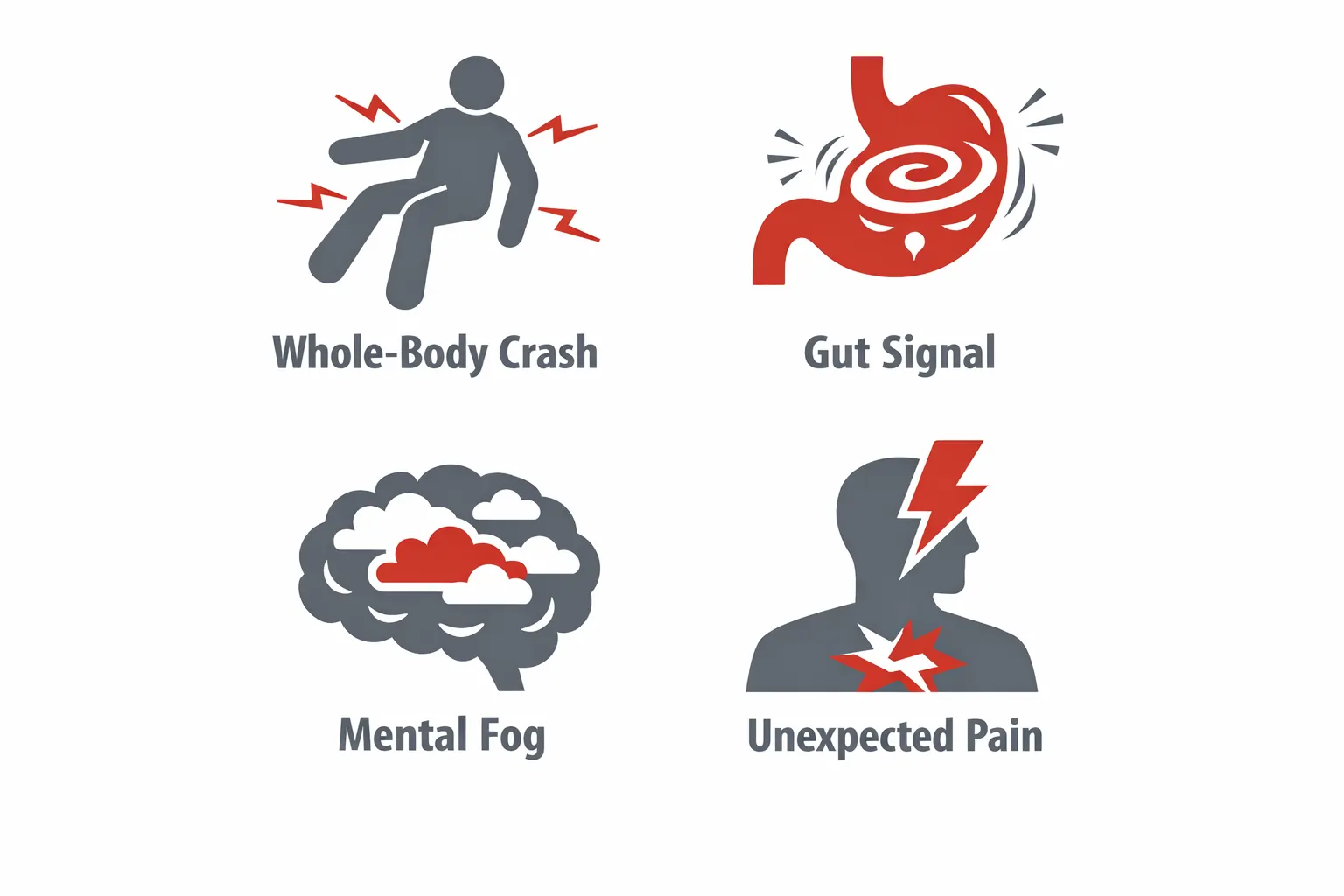
Everyone should know F.A.S.T. (Face drooping, Arm weakness, Speech difficulty, Time to call). But if we only look for those, we miss the quieter calls for help. Here are symptoms often missed in women.
The "Whole Body" Crash: More Than Just Tired
This is not
normal end of day fatigue. It is a sudden, deep, and unexplained loss of
energy. It feels like hitting a wall. You may feel too weak to stand. Your
limbs may feel heavy and limp everywhere, not just on one side. This
overwhelming exhaustion is your brain struggling. It is a major red flag
often mistaken for the flu or poor sleep.
Your Gut Is Sending a Signal
Here is the surprising truth
about stroke. It can upset your stomach, not just your balance. Sudden,
severe nausea and vomiting with no clear cause, like food poisoning, are key
warnings. Even constant, unexplained hiccups can sometimes link to a stroke
affecting the brainstem. If these stomach issues start suddenly and feel
strange, trust that feeling.
When Your Mind Goes Foggy
A stroke can change how you
think before it changes how you move. Sudden confusion, disorientation, or a
sharp personality change are major symptoms. You might not follow a simple
talk. You may not know where you are or what is happening. This can be
wrongly seen as delirium or a mental episode. That delay can be critical.
Pain in Unexpected Places
We do not usually link stroke
with pain. But for women, pain can be a main sign. This can include:
- A sudden, very severe headache like never before, often called "the worst headache of my life."
- Pain in the face, arm, or leg on one side of the body.
- Chest pain or heart flutters, which can misleadingly seem like a heart problem.
The Hard to See Symptoms
Some signs are easy for others
to miss. These include sudden shortness of breath, fainting, or a feeling of
the heart racing.
To see this clearly, let us compare common knowledge with what women often feel.
| What We All Learn (F.A.S.T.) | What Women Often Experience (The Subtle Signs) |
|---|---|
| Face drooping on one side | Whole face pain or strange numbness |
| Arm weakness on one side | General weakness, heavy limbs all over |
| Speech difficulty, slurring | Confusion, trouble understanding words |
| Time to call emergency | Time lost explaining away nausea, tiredness, or hiccups |
The Hormone Connection: Life Stages That Change Risk
What most people do not realize is this. Your risk and symptoms are tied to your hormonal life journey. This context is often missing from standard lists.
- Pregnancy and Postpartum: Pregnancy raises blood pressure and stresses the heart. Risk is highest in the last three months and the weeks after birth. Conditions like preeclampsia greatly increase stroke risk. A new mother with a severe headache or sudden blurred vision needs urgent care.
- Perimenopause and Menopause: As estrogen levels change and fall, their protection for blood vessels drops. This time brings a natural increase in stroke risk. Symptoms like hot flashes, mood swings, and "brain fog" are common. This makes it easy to dismiss a new, sudden dizzy spell or confusion as "just part of the change." It might not be.
- Birth Control and HRT: The story here is nuanced. Combined birth control pills can slightly increase stroke risk. This is especially true if you also smoke, have high blood pressure, or get migraines with aura. Hormone Replacement Therapy (HRT) also has a complex risk profile. An honest talk with your doctor about your personal risks is key.
From Knowing to Acting: Your Personal Advocacy Plan
Knowing these signs is step one. Knowing how to act saves brain tissue. At our neuro rehabilitation centre, we teach patients and families that time is brain. Every minute of delay means more lost brain cells.

Here is your 4 step action plan:
- Trust Your Instinct Above Everything. If something feels sharply and strangely wrong in a new way, this is your most important symptom. Do not ignore it.
- Prepare a Symptom Statement. In a medical setting, be specific. Use clear words. Do not just say, "I feel dizzy." Say: "I am a 48 year old woman on birth control with a family history of stroke. I have had sudden, unexplained nausea and a crushing headache since 3 PM. I am worried about a stroke." This clear history demands attention.
- Bring a Support Person. If possible, have a family member or friend with you at the hospital. If you become confused, they can speak for you, repeat your symptoms, and insist on the right checks.
- Know the Tests. A quick CT scan checks for a bleeding stroke. But for the more common ischemic stroke, where a clot blocks blood flow, an MRI is the best tool to see early damage. This is especially true for smaller strokes with subtle signs. If symptoms stay and a CT is "clear," asking about an MRI is a reasonable step.
Conclusion: Knowledge Is Your Power
A stroke is a serious opponent. But your greatest tool is knowledge. We have looked beyond F.A.S.T. We now understand the hidden language of stroke symptoms in women. This includes the crushing fatigue, the mysterious sickness, the mental fog, and how our hormonal journey affects risk.
Remember, you are the expert on your own body. In those critical moments, your awareness and your voice are the first, most vital steps on the path to recovery. That path, from emergency care to rebuilding life, is where specialized neuro rehabilitation makes all the difference. It is the journey we support every day at Apricot Care.
What is the one symptom from this list you will remember and share with the women in your life today?
If you or a loved one are walking the difficult road of recovery after a stroke, specialized care is crucial. At Apricot Care Assisted Living and Rehabilitation, a leading neuro rehabilitation centre in Pune, our team offers compassionate, complete Stroke Treatment, Rehabilitation and Physiotherapy Services. We blend advanced Robotic Neuro Rehabilitation in Pune with personal therapy plans. We help regain function, independence, and hope. Let us support your next step toward healing.
With 7+ years of experience, she specializes in neuro-rehabilitation, geriatric care, and balance training to help patients improve mobility and functional independence.
.webp)