Ankle Pain Physiotherapy in Pune

Ankle Pain Treatment in Pune with Physiotherapy

Ankle pain can affect walking, stairs, balance, running and confidence on uneven ground. It may follow a sprain, develop gradually with training, or be associated with tendon, joint or arthritis-related problems. Apricot Care provides ankle pain physiotherapy in Pune from its Kharadi clinic, with rehabilitation based on the injured structure, current healing stage and the activities you need to resume.

A painful ankle does not always need complete rest, but it should not be loaded without understanding the problem. The physiotherapist checks swelling, movement, strength, balance, walking and signs that may require an X-ray or medical review. When physiotherapy is suitable, treatment progresses from symptom management to strength, control and task-specific reloading.

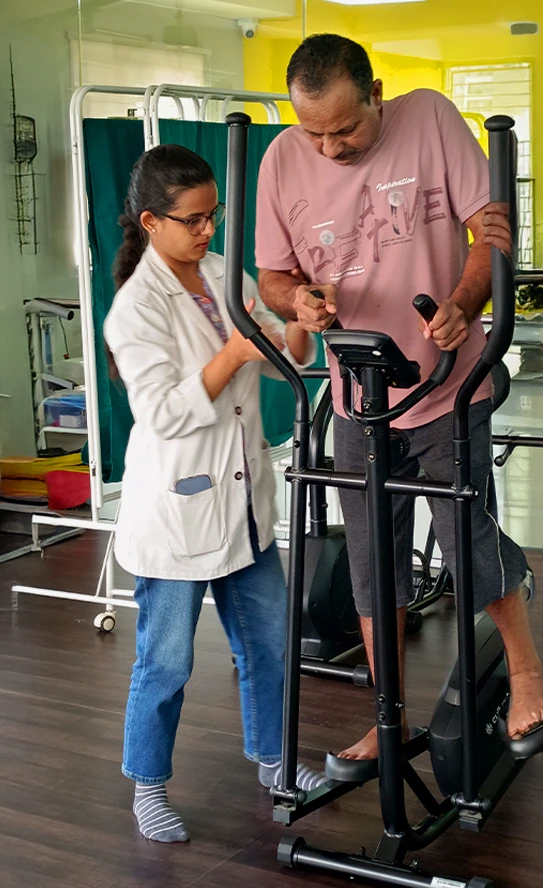
Ankle Pain Treatment and rehabilitation at Apricot Care Pune

Personalised Ankle Rehabilitation

Treatment is planned around the way symptoms affect your movement and daily function.

Personalised Physiotherapy

Injury and joint screening

Sprains, tendon symptoms, instability and arthritis-related limitations are assessed.

Walking and balance review

Gait, single-leg control and confidence on uneven surfaces are considered.

Progressive ankle loading

Mobility, calf strength and functional drills are advanced by stage and response.

Return-to-running support

Training load and running-related tasks can be reintroduced gradually.

When Physiotherapy May Help

Ankle Pain Physiotherapy in Pune: When It May Help

Consider a physiotherapy assessment when ankle pain persists after a minor sprain, the joint feels weak or repeatedly gives way, or swelling and stiffness limit walking. Treatment may also help with tendon-related pain, reduced mobility after immobilisation, arthritis-related difficulty, or inner ankle pain that develops during running. Recent fractures or surgery require rehabilitation that follows the treating doctor's precautions.

The location of pain matters. Symptoms on the outside of the ankle may follow a common lateral sprain, while inner-ankle pain can involve different tendons, joints or loading factors. Pain under the heel may be more consistent with plantar heel pain. A clinician should assess the pattern instead of treating every ankle complaint as a simple sprain.

Clinical Assessment

Ankle Pain Symptoms and Injuries We Assess

Common Symptoms and Injuries We Assess

Common presentations include swelling after a twist, pain during weight bearing, stiffness after rest, loss of confidence on stairs, recurring instability and discomfort during running or jumping. Some people struggle to bend the ankle forward, raise onto the toes or balance on one leg. Others have joint pain related to arthritis or weakness after a period in a boot or cast.

Functional and Neurological Screening

The physiotherapist considers the site of tenderness, swelling, bruising, ankle and foot movement, calf and lower-limb strength, balance, walking and the demands of work or sport. The knee and hip may also be checked because whole-leg control can influence ankle loading. Severe injury should be medically cleared before exercise is progressed.

Possible Contributing Factors

Common Causes and Contributing Factors in Ankle Pain

Ankle pain may result from ligament sprain, tendon overload, joint irritation, fracture, repeated instability, arthritis or sudden changes in walking and running load. Inner-ankle pain in runners may require assessment of the posterior tibial tendon and foot control, while outer-ankle symptoms may relate to ligament injury or peroneal tendons. A diagnosis cannot be confirmed from location alone.

Previous sprains can leave reduced strength, balance or confidence even after swelling settles. Returning to sport only because pain is lower may therefore be premature. Rehabilitation should rebuild the capacities required for direction changes, jumping, landing and uneven ground, while respecting tissue healing and medical instructions.

When to Seek Urgent Medical Attention

Seek prompt medical assessment after a major twist or fall if the ankle is deformed, you cannot take weight, there is severe bony tenderness, numbness, a cold or pale foot, an open wound or rapidly increasing swelling. A hot red joint with fever may indicate infection. Calf swelling, chest pain or breathlessness requires urgent care because it may not be a simple ankle problem. Routine physiotherapy should not delay investigation of a possible fracture or serious condition.

Your First Visit

How Our Ankle Physiotherapy Assessment Works

The first visit covers how the injury occurred, swelling and bruising, previous sprains, footwear, running or sport load, work demands and any X-rays, surgery notes or restrictions. Testing is adjusted to the stage of healing.

01

Injury history and safety screen

We review trauma, weight-bearing ability, fracture concerns, wound status and symptoms that require medical referral.

02

Ankle and foot movement

Dorsiflexion, plantarflexion, side-to-side movement and foot mobility are checked within a safe range.

03

Strength, balance and gait

Calf, ankle and lower-limb strength, walking and single-leg control are assessed when appropriate.

04

Activity-specific baseline

Stairs, running, jumping, work footwear or other relevant tasks are recorded for staged progression.

Visit Apricot Care

Visit Our Ankle Pain Physiotherapy Clinic in Kharadi, Pune

Apricot Care provides ankle pain and injury rehabilitation at its Kharadi clinic. The location is accessible from Viman Nagar, Wadgaon Sheri, Chandan Nagar, Wagholi, Kalyani Nagar, Magarpatta, Hadapsar and nearby Pune areas. Use the map to plan your route and call before visiting.

Opening hours Monday to Sunday, 8:00 am to 8:00 pm
Address 3rd Floor, Cherry Life, F Wing, Ganga Altus, 301 & 302, Thite Nagar, Kharadi, Pune, Maharashtra 411014
Pain Relief and Recovery

Our Physiotherapy Plan for Ankle Pain and Injury Recovery

What to Expect From the First Few Sessions

The first session identifies the likely rehabilitation stage and provides clear guidance on weight bearing, movement and exercises. Follow-up visits review swelling, range, strength, balance and walking. For athletes, later testing may include hopping, landing and change of direction before unrestricted return.

Recovery differs between a mild sprain, significant ligament injury, tendon condition, fracture or arthritis. Apricot Care does not guarantee return to sport within a fixed number of days. Persistent instability, unexpected swelling or failure to regain function should lead to reassessment and possible medical investigation.

Why Choose Apricot Care for Ankle Pain Physiotherapy in Pune

Apricot Care uses functional ankle assessment and progressive rehabilitation rather than relying only on pain-relief modalities. The programme is linked to walking, work, running or sport goals and includes a home plan that is updated as capacity improves.

The Kharadi clinic can support supervised balance and strength work and coordinate with a doctor or surgeon when imaging, fracture care or post-operative precautions are involved. Patients should bring reports and disclose diabetes, circulation issues or previous injuries that may affect healing.

Kharadi and East Pune

Ankle Pain Physiotherapy Near Kharadi and East Pune

When choosing an ankle pain physiotherapy clinic, check whether the provider assesses fracture risk, walking, strength and balance and gives clear return-to-activity criteria. Apricot Care’s clinic is located in Kharadi, Pune, and is accessible from nearby areas of East Pune.

Get Directions
Book appointment
Your Road to Recovery

Book a Physiotherapy Assessment

In-Clinic Care in Kharadi

Visit Apricot Care for ankle pain assessment and a personalised rehabilitation plan.

Selected Home-Care Options

Home visits may be considered when mobility or practical access is limited.

Ankle pain physiotherapy appointment at Apricot Care
Common Questions

Frequently Asked Questions About Ankle Pain Treatment in Pune

The timing depends on injury severity and whether a fracture has been excluded. Comfortable movement and appropriate loading may begin early in many sprains, while severe injuries need medical guidance. A physiotherapist can select a safe stage and avoid both unnecessary rest and premature sport.

Strength, balance and joint-position control can remain reduced after pain and swelling improve. This may contribute to repeated giving way. Rehabilitation often includes calf and ankle strengthening, single-leg control and gradual return to direction changes or uneven ground.

Treatment depends on the involved tissue and training factors. It may include temporary load modification, foot and ankle assessment, calf and lower-limb strengthening, mobility work and a gradual running progression. Persistent swelling, inability to bear weight or severe focal pain needs medical review.

Physiotherapy may support mobility, strength, balance, walking and activity management for ankle arthritis. It cannot reverse structural changes, and some people also need medication, footwear advice, injections or surgical review. The plan should reflect symptoms and functional goals.

Apricot Care reviews the injury or pain history, swelling, movement, strength, walking and balance. When appropriate, the physiotherapist also assesses running or sport tasks and creates a staged home and clinic programme.

Apricot Care is located at 3rd Floor, Cherry Life, F Wing, Ganga Altus, 301 & 302, Thite Nagar, Kharadi, Pune, Maharashtra 411014. The clinic is accessible from Kharadi and nearby East Pune areas. Call +91 73876 41462.

WhatsApp Call