
Chronic Pain Physiotherapy in Pune

Chronic Pain Treatment in Pune with Physiotherapy

Chronic pain can affect movement, sleep, work, mood, social activity and confidence long after the original injury or expected healing period. It may involve the back, neck, joints or muscles and often fluctuates rather than improving in a straight line. Apricot Care provides chronic pain physiotherapy in Pune from its Kharadi clinic, with rehabilitation focused on function, pacing, graded activity and practical self-management.

Persistent pain is real. It can be influenced by ongoing tissue or medical conditions, changes in nervous-system sensitivity, reduced activity, sleep, stress and previous pain experiences. This does not mean the pain is ‘only in the mind’. A physiotherapist assesses the musculoskeletal and functional picture and coordinates medical or multidisciplinary care when the presentation requires more than physiotherapy alone.

Chronic pain physiotherapy and functional rehabilitation at Apricot Care Pune

Progressive, Function-Focused Care

Rehabilitation is planned around pacing, graded activity and the functional goals that matter to you.

What This Service Focuses On

Individual pain and function assessment

Symptoms, activity, sleep, health and meaningful goals are reviewed together.

Graded activity

Movement is progressed from a sustainable baseline rather than through boom-and-bust cycles.

Pacing and flare planning

Patients learn practical ways to organise activity and respond to temporary increases.

Coordinated care

Medical, psychological or specialist input is recommended when it is clinically appropriate.

When Physiotherapy May Help

Chronic Pain Physiotherapy in Pune: Who It May Help

Physiotherapy may support people with persistent back, neck, joint or muscle pain who have reduced activity, strength or confidence and want to improve daily function. It may be used for chronic secondary pain associated with an identified musculoskeletal condition or as one part of care for chronic primary pain. The treatment goals are agreed with the patient and may not be limited to complete pain elimination.

This service focuses on physiotherapy-led rehabilitation for chronic musculoskeletal pain. Apricot Care also provides broader pain-management support that may include medical assessment and multidisciplinary care. The most appropriate pathway depends on whether you mainly need help with movement and function, wider pain-management input or coordinated support from both services.

Symptoms and Functional Assessment

How Chronic Pain Can Affect Daily Life

Common Patterns

Persistent pain may be constant or intermittent and can be accompanied by stiffness, fatigue, reduced sleep, fear of movement, lower strength and difficulty sustaining work or household activity. Some people alternate between doing too much on a better day and needing prolonged recovery afterward. Others avoid movement because they have been told that pain always means damage.

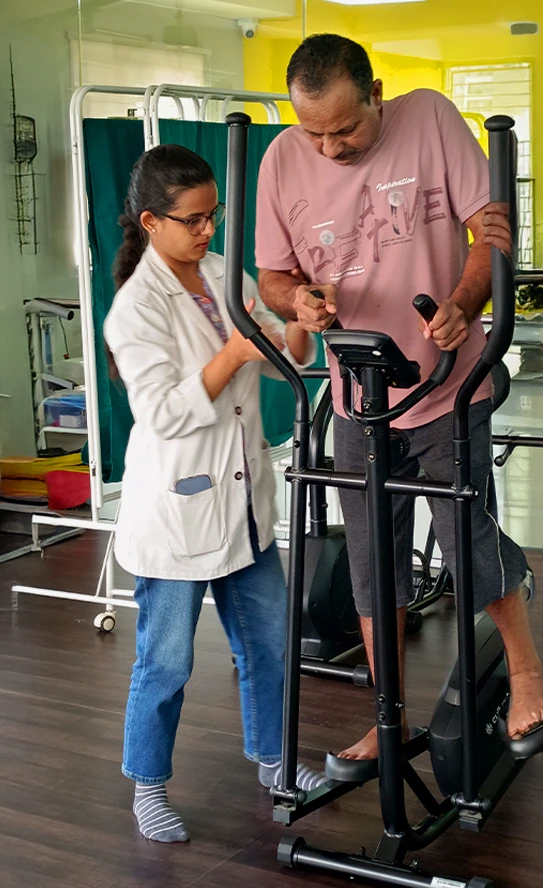
Function Assessed in Context

The physiotherapist assesses what activities are currently possible, which ones trigger an unacceptable flare, how long recovery takes and what the patient values most. The examination also screens new neurological, inflammatory, systemic or injury-related symptoms that may require medical investigation rather than being attributed to chronic pain.

Understanding the Condition

Why Pain May Persist

Pain can continue because of an ongoing condition, repeated overload, deconditioning, nervous-system sensitisation or several interacting factors. Sleep, stress, low mood and uncertainty may change pain intensity and coping, but they do not invalidate the experience. A clear explanation can help reduce fear while respecting that the symptoms are genuine.

There is rarely one technique that permanently switches off chronic pain. Repeated passive treatment may provide temporary relief for some people, but a sustainable plan often needs activity, strength, pacing, sleep or lifestyle support and appropriate medical care. Goals should be realistic and centred on participation and quality of life.

Safety First

When to Seek Urgent Medical Attention

New symptoms should not automatically be attributed to chronic pain. Seek urgent medical care for new bladder or bowel loss, saddle numbness, rapidly worsening weakness, severe trauma, chest pain, breathlessness, fever, a hot swollen joint, unexplained weight loss or sudden severe neurological change. Severe emotional distress or thoughts of self-harm also require immediate professional or emergency support. Physiotherapy is not a substitute for urgent medical or mental-health care.

Your First Assessment

How Our Chronic Pain Physiotherapy Assessment Works

The first appointment explores the pain history, diagnoses, medicines, previous treatments, sleep, activity, work, flare patterns and the goals that matter to the patient. The examination is collaborative and avoids forcing movements simply to prove that they are painful.

01

Pain history and medical context

We review known conditions, investigations, medicines, red flags and whether additional clinical coordination is needed.

02

Function and movement

Walking, strength, mobility, balance and meaningful tasks are assessed at a tolerable level.

03

Activity and flare pattern

The clinician identifies sustainable baselines, boom-and-bust cycles and recovery time after activity.

04

Shared goals and outcome measures

Goals may involve sleep, walking, work, self-care, exercise or participation, with regular review.

Visit Apricot Care

Visit Our Clinic for Chronic Pain Physiotherapy in Kharadi, Pune

Apricot Care provides chronic musculoskeletal pain rehabilitation at its Kharadi clinic. The location is accessible from Viman Nagar, Wadgaon Sheri, Chandan Nagar, Wagholi, Kalyani Nagar, Magarpatta, Hadapsar and nearby Pune areas. Use the map for directions and contact the clinic to discuss the appropriate service before visiting.

Clinic address3rd Floor, Cherry Life, F Wing, Ganga Altus, 301 & 302, Thite Nagar, Kharadi, Pune, Maharashtra 411014
Opening hoursMonday to Sunday, 8:00 am to 8:00 pm
Call Apricot Care+91 73876 41462
Personalised Rehabilitation

Our Physiotherapy Plan for Chronic Pain Management and Rehabilitation

What to Expect From the First Few Sessions

The first sessions focus on understanding the individual pattern and identifying a sustainable starting point. Progress may include more consistent walking, improved strength, better participation in daily activities, fewer severe boom-and-bust cycles or increased confidence. Pain intensity may change slowly and can fluctuate while function improves.

Chronic pain recovery is individual, and no clinician can guarantee complete pain removal or a fixed number of sessions. Care often requires review over time and coordination with other professionals. The programme is adjusted when goals are not progressing, new symptoms appear or the patient’s priorities change.

Why Choose Apricot Care for Chronic Pain Physiotherapy in Pune

Our chronic pain physiotherapy approach emphasises shared goals, respectful communication and measurable improvements in function. Patients receive an individual programme rather than being told to push through all pain or depend indefinitely on passive treatment.

The Kharadi clinic can coordinate physiotherapy with Apricot Care’s broader pain-management and rehabilitation services when additional support is appropriate.

Kharadi and East Pune

Chronic Pain Physiotherapy Near Kharadi and East Pune

When choosing chronic pain care, look for clear clinical scope, coordinated support and realistic expectations rather than guaranteed relief. Apricot Care is based in Kharadi, Pune, and can help patients determine whether physiotherapy, broader pain management or both may be appropriate.

Get Directions
Book appointment
Your Road to Recovery

Book a Physiotherapy Assessment

In-Clinic Care in Kharadi

Visit Apricot Care for chronic musculoskeletal pain assessment with a personalised rehabilitation plan.

Practical Rehabilitation

Receive pacing, graded activity, strength and self-management guidance matched to your daily function and personal goals.

Chronic pain physiotherapy appointment at Apricot Care Pune
Common Questions

Frequently Asked Questions About Chronic Pain Treatment in Pune

Chronic or persistent pain generally continues beyond the expected healing period and is often described as lasting more than three months. The clinical classification depends on whether pain is linked to an underlying condition or considered chronic primary pain. A qualified clinician should assess the individual presentation.

Appropriate graded exercise may improve strength, confidence, health and daily function. The starting level should be sustainable and adapted for other conditions. Exercise is not presented as proof that pain is harmless or as a guaranteed cure.

Pacing means organising activity around a manageable baseline and increasing it gradually instead of alternating between overactivity and prolonged rest. It can be used for work, walking, exercise and household tasks. The plan should remain flexible and goal-focused.

No. Chronic pain is real and can involve biological, psychological and social factors. Sleep, stress and mood can influence symptoms without making them imaginary. Care may include several disciplines because pain affects many areas of life.

Apricot Care reviews medical context, function, activity patterns, sleep and personal goals. The physiotherapist creates a graded plan and recommends broader pain-management, medical or psychological support where appropriate.

Apricot Care is located at 3rd Floor, Cherry Life, F Wing, Ganga Altus, 301 & 302, Thite Nagar, Kharadi, Pune, Maharashtra 411014. The clinic is accessible from Kharadi and nearby East Pune areas. Call +91 73876 41462.

WhatsApp Call