Muscle Pain and Strain Treatment in Pune with Physiotherapy
Muscle pain may follow a sudden strain, unfamiliar exercise,
repeated work, lifting or a period of reduced activity. It can affect the hamstring,
calf, back, neck, shoulder or other regions and may limit walking, bending, lifting or
sport. Apricot Care provides muscle pain physiotherapy in Pune from its Kharadi clinic,
with rehabilitation based on the injured area, severity, healing stage and functional
goals.
Not all pain that feels muscular is a simple strain. Nerve, joint,
tendon, infection, medication-related or systemic conditions can cause similar symptoms.
The physiotherapist reviews the mechanism, bruising, weakness, movement and general
health before deciding whether physiotherapy is suitable or medical evaluation is
required.
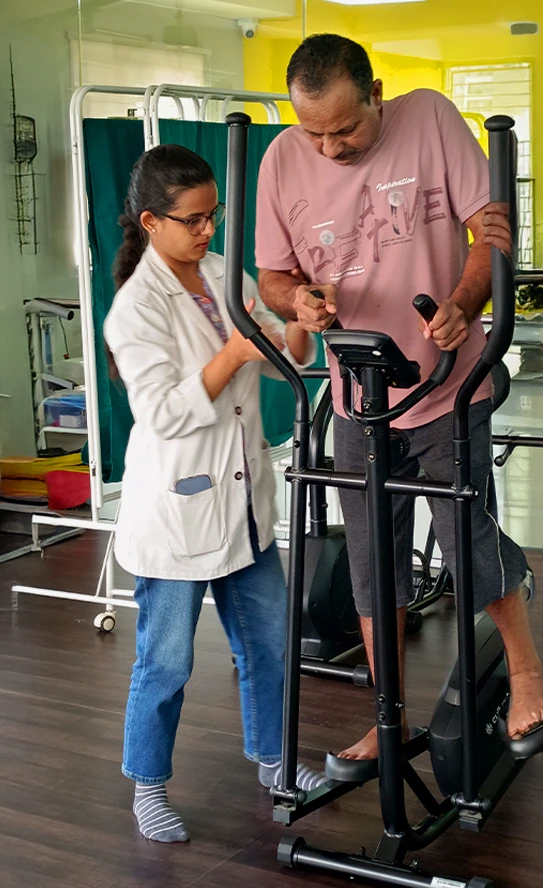
Rehabilitation is matched to the injured area, healing stage and the work, gym or
sport activities you want to resume.
What This Service Focuses On
Strain and spasm assessment
The mechanism, severity, strength and movement limitations are evaluated.
Stage-based rehabilitation
Early protection, mobility and progressive loading are matched to healing.
Return-to-work and sport planning
Functional tasks are reintroduced using measurable criteria.
Recurrence-risk reduction
Strength, workload, warm-up and recovery factors are addressed.
When Physiotherapy May Help
Muscle Pain Physiotherapy in Pune: When It May Help
Physiotherapy may be appropriate after a mild or moderate muscle strain, recurring spasm,
overuse pain or weakness following a period of rest. People commonly seek treatment for
hamstring strain, calf injury, neck muscle strain, back muscle spasm and pain after gym
or sports activity. Significant tears, traumatic injury or severe weakness may need
imaging or specialist review.
A recent injury is managed differently from pain that has continued for months without a
clear strain. The clinician should identify whether symptoms are local and load-related
or part of a broader chronic-pain or medical presentation. This prevents a broad ‘muscle
pain’ label from hiding a condition that needs a different pathway.
Symptoms and Functional Assessment
Muscle Strain, Spasm and Injury Symptoms We Assess
Common Symptoms
A strain may cause local pain, tenderness, stiffness, bruising, swelling or weakness
after a sudden stretch or forceful contraction. Spasm may feel like a tight or
involuntary contraction and can occur with pain, fatigue or protective guarding.
Symptoms often increase when the affected muscle is stretched or contracted, but
patterns vary with the region and injury.
Function Assessed in Context
The physiotherapist assesses movement, strength, tenderness, swelling and the tasks that
reproduce symptoms. For a hamstring injury, this may include walking, running and hip or
knee strength. For a neck or back strain, the assessment considers spinal movement and
neurological symptoms. Functional testing is delayed or modified when the injury is
acute.
Understanding the Condition
Common Causes of Muscle Pain and Strain
Muscle strain can result from sprinting, lifting, slipping, sudden direction change or an
unfamiliar load. Repeated work and inadequate recovery may contribute to overuse
symptoms. Dehydration, illness, medicines and electrolyte or metabolic problems can also
be associated with cramp or widespread muscle pain, which may need medical assessment.
A muscle spasm does not always mean the muscle is shortened or out of place. It may be a
protective response to pain or fatigue. Treatment should address the underlying
presentation and gradual capacity rather than relying only on stretching or massage.
Safety First
When to Seek Urgent Medical Attention
Seek urgent medical care for severe pain and swelling after a crush injury, inability to
use the limb, a visible defect, loss of sensation, a cold or pale limb, or dark urine
with marked muscle pain after intense exertion. Fever, unexplained widespread weakness,
chest pain, breathlessness or muscle pain associated with a new medicine also needs
prompt medical advice. Routine physiotherapy should not delay evaluation of serious
injury, infection or systemic illness.
Your First Assessment
How We Assess Muscle Pain and Strain
The first visit reviews the injury mechanism, training or work load, bruising, swelling,
previous strains, medicines and health conditions. The examination is adapted to the
region and the expected healing stage.
01
Mechanism and severity screen
We clarify whether symptoms began suddenly, developed gradually or may be
associated with a medical factor.
02
Movement and strength
The affected muscle and neighbouring joints are assessed without overstressing an
acute injury.
03
Functional testing
Walking, lifting, running, reaching or other relevant tasks are introduced when
safe.
04
Recovery and workload baseline
Training, work, sleep and recovery factors are reviewed to plan progression and
reduce recurrence.
Visit Apricot Care
Visit Our Muscle Pain Physiotherapy Clinic in Kharadi, Pune
Apricot Care provides physiotherapy for muscle pain, strain and
activity-related injury at its Kharadi clinic. The centre is accessible from Viman
Nagar, Wadgaon Sheri, Chandan Nagar, Wagholi, Kalyani Nagar, Magarpatta, Hadapsar and
nearby parts of Pune. Use the map for directions and call before visiting.
Clinic address3rd Floor, Cherry Life, F Wing, Ganga Altus,
301 & 302, Thite Nagar, Kharadi, Pune, Maharashtra 411014
Our Physiotherapy Plan for Muscle Strain and Recovery
Early protection and comfortable movement
In the early stage, aggravating load may be reduced while safe movement is
maintained. The plan considers bruising, swelling and function and avoids both
premature heavy exercise and unnecessary prolonged rest.
Mobility and controlled muscle activation
Gentle movement and low-load activation may be introduced as symptoms allow.
Stretching is not automatically aggressive, particularly after a recent tear. The
clinician monitors pain and next-day response.
Progressive strength and tissue loading
Resistance is increased from basic contractions to longer-range, heavier and faster
work according to the muscle and goal. Hamstring rehabilitation, for example, may
progress toward running-speed demands rather than stopping at simple table
exercises.
Return to work, gym and sport
Functional drills reproduce lifting, carrying, running, jumping or work tasks in
stages. Return is based on strength, control, confidence and tolerance rather than
pain absence alone or a predetermined date.
Recurrence prevention and workload planning
The physiotherapist may address warm-up, training increases, recovery, technique and
regional strength. No programme removes all injury risk, but better preparation can
reduce avoidable overload and improve readiness.
What to Expect From the First Few Sessions
The first session identifies the likely injury stage and gives clear activity and
exercise guidance. Follow-up visits reassess strength, movement and functional
tasks. Progress may involve less pain with contraction, improved range, stronger
loading and a staged return to work or sport.
Recovery varies widely between mild soreness, moderate strain and significant tear.
Apricot Care does not promise a fixed healing time or guarantee that physiotherapy
alone is sufficient. Persistent weakness, a palpable defect, repeated injury or
atypical symptoms may require imaging or specialist assessment.
Why Choose Apricot Care for Muscle Pain Physiotherapy in Pune
Apricot Care provides region-specific assessment and progressive rehabilitation
rather than treating all muscle pain with the same modality. Goals are linked to
real tasks, and the patient receives a home programme with clear progression
criteria.
The Kharadi clinic can coordinate orthopedic or medical review when injury severity,
systemic symptoms or medication-related concerns require investigation. Patients
should provide details of how the pain started and any bruising, swelling or loss of
function.
Kharadi and East Pune
Muscle Pain Physiotherapy Near Kharadi and East Pune
When choosing a physiotherapy centre for muscle pain, confirm that the clinician
screens significant tears and medical causes and provides staged loading. Apricot
Care is located in Kharadi, Pune, and serves patients travelling from nearby areas
of East Pune.
Visit Apricot Care for muscle pain,
strain and activity-related injury assessment with a personalised
rehabilitation plan.
Practical Rehabilitation
Receive stage-based movement, strength
and functional exercise guidance matched to your work, gym or sport goals.
Common Questions
Frequently Asked Questions About Muscle Pain Treatment in Pune
Muscle pain is a broad symptom, while a strain usually refers to injury of muscle fibres
after excessive stretch or force. Not every ache is a tear, and nerve, joint, tendon or
medical conditions can feel muscular. Assessment helps identify the likely presentation.
Aggressive stretching is not appropriate for every recent strain and may irritate injured
tissue. Early management may use protected activity and gentle movement, followed by
progressive mobility and strength. The timing depends on severity and location.
Rehabilitation may move from comfortable activation to strengthening at longer muscle
lengths, running drills and higher-speed work. Progress depends on strength, pain,
control and sport demands. Significant bruising or inability to walk normally may
require medical assessment.
Physiotherapy may help when spasm is associated with movement, workload, weakness or a
musculoskeletal condition. Repeated unexplained spasm, widespread symptoms, medication
changes or systemic illness needs medical review rather than exercise alone.
Apricot Care reviews the injury mechanism, movement, strength, swelling and functional
demands. The physiotherapist then provides stage-based rehabilitation and adjusts work,
gym or sport loading as recovery progresses.
Apricot Care is located at 3rd Floor, Cherry Life, F Wing, Ganga Altus, 301 & 302,
Thite Nagar, Kharadi, Pune, Maharashtra 411014. The clinic is accessible from Kharadi
and nearby East Pune areas. Call +91 73876 41462.


.webp)