
Plantar Fasciitis Physiotherapy in Pune

Plantar Fasciitis Treatment in Pune with Physiotherapy

Plantar fasciitis, often called plantar heel pain, commonly causes pain under the heel during the first steps after rest or after long periods of standing and walking. It can make work, exercise and routine movement uncomfortable. Apricot Care provides plantar fasciitis physiotherapy in Pune from its Kharadi clinic, with assessment of the foot, ankle, calf, walking pattern, footwear and recent changes in activity.

Heel pain is not always caused by the plantar fascia. A physiotherapist checks the location and behaviour of symptoms and screens for injury, nerve-related pain, joint problems and health factors that may require medical input. When the presentation is suitable, treatment focuses on managing load, improving calf and foot capacity and gradually returning to walking or running.

Plantar fasciitis physiotherapy and heel pain rehabilitation at Apricot Care Pune

Progressive, Function-Focused Care

Rehabilitation is planned around symptoms, foot capacity and the walking, work or exercise activities you want to resume.

What This Service Focuses On

Heel-pain assessment

The plantar heel, ankle, calf, foot movement and relevant health factors are reviewed.

Walking and load analysis

Standing, walking, running and recent activity changes are considered.

Progressive foot and calf exercise

Strength and mobility are advanced according to symptom response.

Footwear guidance

Practical shoe and support advice is given without unnecessary product claims.

When Physiotherapy May Help

Plantar Fasciitis Physiotherapy in Pune: When It May Help

Physiotherapy may be appropriate when heel pain is worst with the first steps in the morning, after sitting or after an increase in standing, walking or running. It may also help when pain limits work or exercise and has not settled with simple activity changes. The programme should account for symptom duration, body-wide health, footwear and the amount of load the foot manages each day.

Pain at the back of the heel, sudden pain after injury, burning or numbness and severe swelling may indicate a different problem. People with diabetes, reduced circulation, inflammatory disease or a foot wound should disclose this before treatment. A diagnosis should not be made from heel pain alone.

Symptoms and Functional Assessment

Plantar Fasciitis Symptoms and Heel-Pain Patterns

Common Symptoms

A common pattern is pain under or toward the inner side of the heel during the first steps after waking, followed by partial easing as the foot warms up. Pain may return after prolonged standing, a long walk or running. Some people feel tightness in the calf or reduced ankle movement, while others notice that hard surfaces or unsupportive shoes increase symptoms.

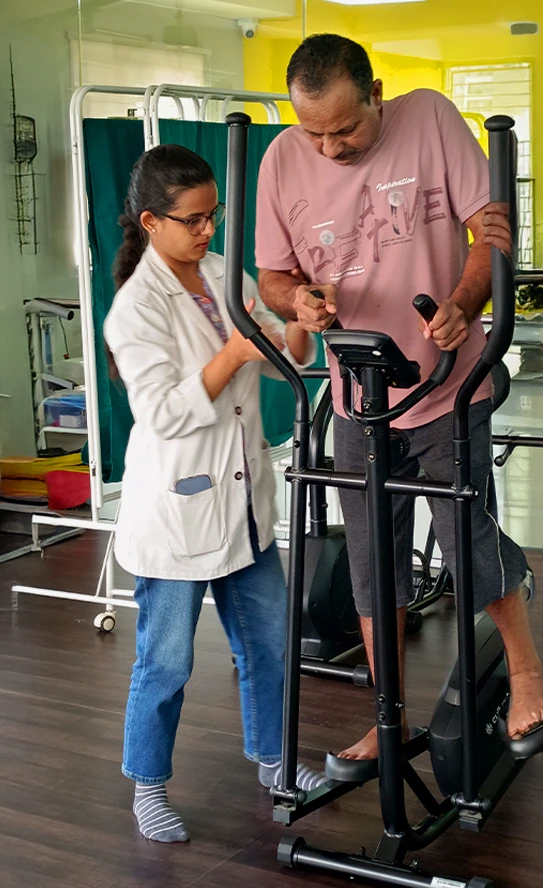
Function Assessed in Context

The physiotherapist assesses tenderness, ankle and big-toe movement, calf and foot strength, single-leg control, walking and activity load. The knee and hip may also be reviewed where relevant. The aim is to identify factors that can be modified without claiming that one foot shape or gait pattern is always abnormal.

Understanding the Condition

Common Causes and Contributing Factors in Plantar Heel Pain

Plantar heel pain can develop when the tissue is exposed to more load than it can currently tolerate. Sudden increases in walking or running, long periods of standing, changes in footwear, reduced calf capacity and recovery factors may contribute. It can also occur without a clear single trigger.

The condition is not simply a heel spur problem, and a spur on X-ray does not always explain pain. Management therefore focuses on symptoms and function. Weight, health conditions and work demands may be discussed respectfully where they are clinically relevant, without blaming the patient.

Safety First

When to Seek Urgent Medical Attention

Seek medical assessment for severe pain after trauma, inability to bear weight, a hot red swollen foot, fever, an open wound, rapidly increasing swelling, new numbness or a cold or discoloured foot. People with diabetes or circulation problems should seek prompt advice for skin breakdown or infection signs. Calf swelling with chest pain or breathlessness requires urgent care. Routine plantar fasciitis exercises should not delay investigation of these features.

Your First Assessment

How We Assess Plantar Fasciitis and Heel Pain

The first appointment covers the exact pain location, first-step symptoms, work and standing time, walking or running load, footwear, previous foot problems and relevant health conditions. Bring imaging or prescriptions if another clinician has already assessed the foot.

01

Symptom and load history

We review morning pain, standing, walking, running, recent changes and recovery between activities.

02

Foot and ankle movement

Ankle, big-toe and foot movement are assessed along with calf flexibility where relevant.

03

Strength and single-leg control

Calf raises, foot strength and balance may be tested at a tolerable level.

04

Walking and footwear review

Gait, work shoes, training shoes and practical activity goals guide the plan.

Visit Apricot Care

Visit Our Plantar Fasciitis Physiotherapy Clinic in Kharadi, Pune

Apricot Care provides plantar fasciitis and heel-pain rehabilitation at its Kharadi clinic. The location is accessible from Viman Nagar, Wadgaon Sheri, Chandan Nagar, Wagholi, Kalyani Nagar, Magarpatta, Hadapsar and nearby Pune areas. Use the embedded map for directions and call before visiting.

Clinic address3rd Floor, Cherry Life, F Wing, Ganga Altus, 301 & 302, Thite Nagar, Kharadi, Pune, Maharashtra 411014
Opening hoursMonday to Sunday, 8:00 am to 8:00 pm
Call Apricot Care+91 73876 41462
Personalised Rehabilitation

Our Physiotherapy Plan for Plantar Fasciitis and Heel Pain

What to Expect From the First Few Sessions

The first session should identify a manageable walking or standing baseline and provide a short home programme. Follow-ups review first-step pain, strength and activity response. Progress may appear as easier morning steps, longer standing tolerance and a gradual return to exercise.

Plantar heel pain can improve slowly, particularly when daily work requires prolonged standing. Apricot Care does not promise a rapid cure or guarantee that an injection, insole or modality will be unnecessary. The plan is reviewed if symptoms are atypical or do not respond as expected.

Why Choose Apricot Care for Plantar Fasciitis Physiotherapy in Pune

Apricot Care combines foot and ankle assessment with progressive calf and lower-limb rehabilitation. Advice is linked to the patient’s actual work, walking and running demands rather than limited to temporary symptom relief.

The Kharadi clinic can coordinate medical or orthopedic review when trauma, inflammatory symptoms, diabetes-related risk or persistent unexplained heel pain requires investigation. Patients should bring their usual work and exercise footwear when practical.

Kharadi and East Pune

Plantar Fasciitis Physiotherapy Near Kharadi and East Pune

When choosing plantar fasciitis or heel pain treatment, confirm that the clinician assesses load, calf capacity and alternative causes of heel pain. Apricot Care is based in Kharadi, Pune, and is accessible from nearby areas of East Pune.

Get Directions
Book appointment
Your Road to Recovery

Book a Physiotherapy Assessment

In-Clinic Care in Kharadi

Visit Apricot Care for plantar fasciitis and heel-pain assessment with a personalised rehabilitation plan.

Practical Rehabilitation

Receive graded foot and calf exercises, footwear guidance and activity advice matched to your walking, work or sport goals.

Plantar fasciitis physiotherapy appointment at Apricot Care Pune
Common Questions

Frequently Asked Questions About Plantar Fasciitis Treatment in Pune

The typical pattern is pain under the heel during the first steps after waking or rest, with symptoms returning after prolonged standing, walking or running. Other conditions can cause heel pain, so severe, traumatic, burning or neurological symptoms should be assessed.

Complete rest is not required for everyone. Walking may need temporary reduction or modification to a tolerable level, followed by gradual progression. The response later in the day and the next morning helps guide load.

Selected plantar fascia and calf stretches, calf raises and foot or lower-limb strengthening may help. The starting range and resistance depend on symptoms and capacity. Aggressive stretching or high-volume exercise can worsen an irritable heel.

No. Heel spurs can be present without symptoms, and pain severity does not always match an X-ray finding. Treatment should be based on the clinical presentation, activity and function rather than assuming the spur must be removed.

Apricot Care assesses first-step pain, foot and ankle movement, calf and foot strength, walking, activity load and footwear. The physiotherapist then develops a progressive plan and refers for medical review when the pattern is atypical.

Apricot Care is located at 3rd Floor, Cherry Life, F Wing, Ganga Altus, 301 & 302, Thite Nagar, Kharadi, Pune, Maharashtra 411014. The clinic is accessible from Kharadi and nearby East Pune areas. Call +91 73876 41462.

WhatsApp Call