Sciatica Treatment in Pune with Physiotherapy

Sciatica Treatment in Pune with Physiotherapy

Sciatica can cause pain that travels from the lower back or buttock into the thigh, calf or foot. Some people also notice tingling, numbness, burning discomfort or weakness in the leg. These symptoms can make sitting at work, driving, walking, sleeping and exercising difficult. Apricot Care provides individual sciatica physiotherapy in Pune from its clinic in Kharadi, with a plan based on the pattern of your symptoms and the activities you need to regain.

Physiotherapy does not use the same exercise or machine for every person with leg pain. The clinician checks whether symptoms fit nerve-root irritation, whether another hip or muscle problem may contribute and whether medical referral is needed. Suitable rehabilitation then focuses on education, manageable movement, strength and gradual return to activity.

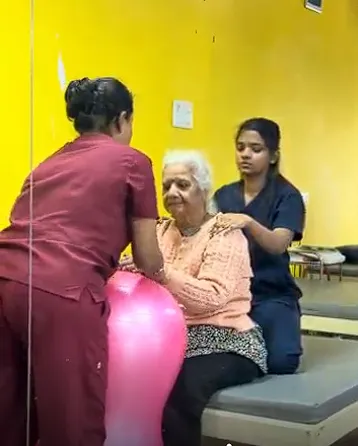
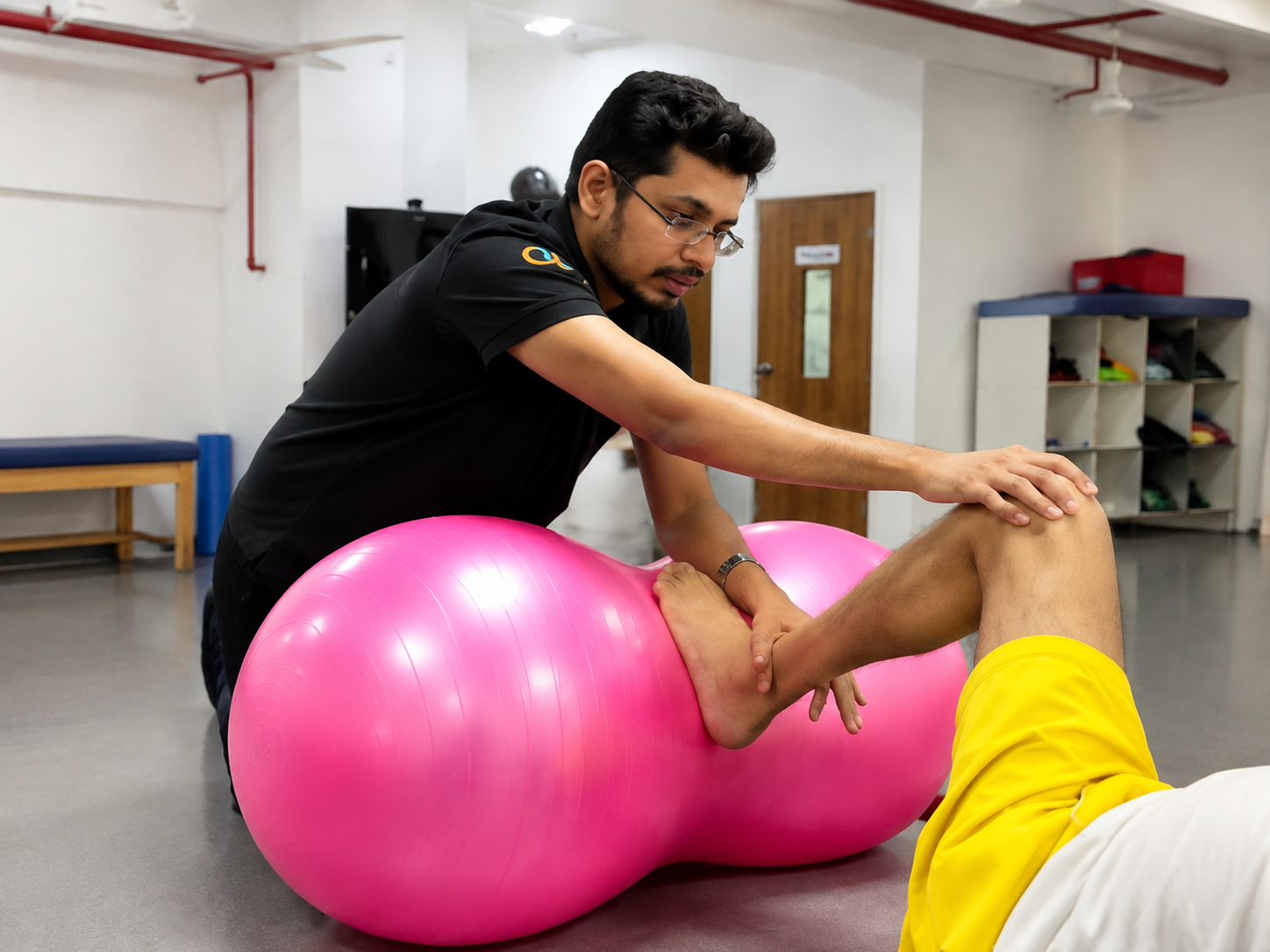
Sciatica physiotherapy and rehabilitation at Apricot Care Pune

Individual Sciatica Rehabilitation

Treatment is connected to sitting, walking, driving, work, sleep and return-to-exercise goals.

Individual Neurological Screening

Strength, sensation and nerve-related symptoms are checked when clinically indicated.

Exercise-Led Rehabilitation

Exercises are selected and progressed according to symptom response and functional goals.

Practical Activity Guidance

Receive advice for sitting, walking, travel, work, lifting and safe return to exercise.

When Physiotherapy May Help

Sciatica Pain Treatment in Pune: When Physiotherapy May Help

A physiotherapy assessment may be appropriate when leg pain is linked with prolonged sitting, bending, lifting, travel or changes in activity, or when symptoms return after an earlier episode of back pain. Physiotherapy may also help after a doctor has diagnosed lumbar radiculopathy or a disc-related condition and advised conservative rehabilitation. The starting point depends on how irritable the symptoms are and whether pain remains in the back or extends below the knee.

Not every pain in the buttock or leg is sciatica. Hip problems, local muscle pain, joint conditions and circulation-related problems can produce different but sometimes similar symptoms. A careful assessment is therefore more useful than choosing sciatica treatment exercises from a generic online list. The clinician should explain the likely source of symptoms, what can safely be managed in physiotherapy and what requires further investigation.

Clinical Assessment

Sciatica Symptoms and Problems We Assess

Radiating Pain and Sensory Changes

Sciatica commonly involves radiating pain along one leg, with possible pins and needles, altered sensation or weakness. Symptoms may increase with sitting, coughing, sneezing, bending or certain spinal movements, although patterns vary.

Functional Limitations

Some people mainly report calf or foot discomfort and do not have severe back pain. Others experience reduced walking tolerance, difficulty standing upright or fear that movement will cause further damage.

When to Seek Urgent Medical Attention

Seek urgent medical attention for new loss of bladder or bowel control, numbness around the groin or saddle area, symptoms in both legs, rapidly worsening weakness, severe unsteadiness, significant trauma, fever with back pain or unexplained serious illness. These features should not be managed only through routine sciatica therapy. A physiotherapist should also refer for medical review when neurological loss progresses or the presentation does not follow an expected musculoskeletal pattern.

Your First Visit

How Our Sciatica Physiotherapy Assessment Works

The first appointment establishes whether physiotherapy is appropriate and identifies a safe starting level. Bring relevant prescriptions, scan reports and details of medicines or previous treatment. Wear clothing that allows comfortable assessment of the back, hip and leg.

Assessment considers pain behaviour, sensation, leg strength, reflexes when relevant, spinal and hip movement, walking and daily tasks. No single test confirms every case. Findings are interpreted with your history, health, available scans and response to movement.

01

History and Symptom Behaviour

We discuss when symptoms began, how far they travel, positions that aggravate or ease them, sleep, work, exercise and previous episodes.

02

Movement and Functional Testing

The physiotherapist observes spinal and hip movement, walking, sitting tolerance and tasks that matter to you without forcing highly irritable symptoms.

03

Neurological Screening

Leg strength, sensation, reflexes and selected nerve-related tests may be checked when the history suggests nerve-root involvement.

04

Baseline Goals and Referral Decision

Findings are used to set measurable goals and decide whether treatment can begin, needs modification or requires medical coordination.

Visit Apricot Care

Visit Our Sciatica Physiotherapy Clinic in Pune Kharadi

Apricot Care provides sciatica assessment and rehabilitation at its Kharadi clinic. The location is accessible for people travelling from Viman Nagar, Wadgaon Sheri, Chandan Nagar, Wagholi, Kalyani Nagar, Magarpatta, Hadapsar and nearby areas of East Pune. Use the embedded map to plan your route, then contact the clinic to confirm appointment availability.

Opening hours Monday to Sunday, 8:00 am to 8:00 pm
Address 3rd Floor, Cherry Life, F Wing, Ganga Altus, 301 & 302, Thite Nagar, Kharadi, Pune, Maharashtra 411014
Personalised Rehabilitation

Our Physiotherapy Plan for Sciatica Pain Relief and Rehabilitation

Treatment is matched to the stage of the problem and the activity you want to regain. The starting range and load are adjusted according to whether symptoms remain stable, move further down the leg or become more intense after activity.

Education and Symptom-Guided Activity

Understanding which movements are safe can reduce unnecessary fear and prolonged rest. We help you identify tolerable positions, change activity without complete avoidance and use a practical flare-up plan. Advice may cover sitting breaks, travel, sleep positions and gradual walking.

Graded Mobility and Strengthening

Exercises may target spinal or hip mobility, trunk and lower-limb strength and general conditioning. The starting range and load are adjusted according to whether symptoms remain stable, move further down the leg or become more intense after activity.

Nerve-Related Movement When Appropriate

Selected neural mobility exercises may be considered when examination findings support their use. They are introduced gently and should not be treated as aggressive stretching. The physiotherapist monitors response and changes the technique if symptoms increase.

Return to Work, Lifting and Exercise

Later rehabilitation may include progressive walking, lifting practice, gym exercises, running preparation or work-specific tasks. Progression is based on strength, control, symptom response and confidence rather than a fixed calendar alone.

What to Expect From the First Few Sessions

Your first session usually focuses on assessment, explanation and a manageable home plan. Follow-up appointments review symptom distribution, neurological findings when relevant, walking or sitting tolerance and exercise technique. Improvement may appear as less intense leg pain, symptoms no longer travelling as far, better sleep or greater confidence with daily activity.

Some people improve steadily, while others experience temporary fluctuations. A flare-up does not automatically mean new damage, but severe or progressive neurological symptoms require reassessment. Apricot Care does not guarantee recovery within a preset package. The frequency and duration of treatment are reviewed according to progress and clinical need.

Why Choose Apricot Care for Sciatica Physiotherapy in Pune

Apricot Care's approach combines one-to-one assessment, a written home programme and functional goals relevant to work, travel and daily life. The physiotherapist explains the reason for each recommendation and reviews whether the plan is helping rather than continuing treatment without measurable purpose.

Clinic-based rehabilitation is suitable for people who can travel safely and need access to supervised exercise. Home physiotherapy may be considered when mobility or access makes clinic attendance difficult, subject to clinical suitability and the service area. Medical coordination is recommended when symptoms require imaging, medication review or specialist input.

Kharadi and East Pune

Sciatica Physiotherapy Near Kharadi and East Pune

When choosing a sciatica physiotherapy centre, consider the clinician's qualifications, neurological screening, assessment process and access to medical referral when needed. Apricot Care's clinic is located in Kharadi, Pune, and serves patients travelling from nearby areas of East Pune.

Book appointment
Your Road to Recovery

Book a Physiotherapy Assessment

In-Clinic Care in Kharadi

Visit Apricot Care for a detailed sciatica assessment and personalised rehabilitation plan.

Selected Home-Care Options

Home physiotherapy may be considered after surgery or when regular clinic travel is difficult.

Sciatica physiotherapy in Pune for faster recovery and better leg movement
Common Questions

Frequently Asked Questions About Sciatica Treatment

Physiotherapy may help many people manage sciatica through education, symptom-guided activity, progressive exercise and support for returning to normal tasks. Suitability depends on the cause, neurological findings and red-flag screening. Progressive weakness, bladder or bowel changes and saddle numbness need urgent medical assessment.

An MRI is not routinely required before every assessment. Imaging may be considered when warning signs are present, neurological loss is progressing, symptoms remain unexplained or the result is likely to change treatment. Bring any existing scan report, but expect the clinician to assess symptoms and function rather than treating the image alone.

Many people are initially managed with conservative care, but the correct route depends on severity and neurological findings. Physiotherapy may form part of non-surgical treatment. Surgery or urgent specialist review may be necessary when there is serious nerve compression, progressive deficit or symptoms that do not respond appropriately.

There is no single exercise that is safe and effective for everyone. Appropriate exercises depend on the direction of symptoms, strength, mobility, irritability and health history. Stop and seek advice if an exercise causes marked or lasting worsening, new numbness or weakness, or symptoms that spread further down the leg.

Apricot Care begins with a history, movement assessment and neurological screening when indicated. The physiotherapist then selects a manageable programme for mobility, strength, activity and self-management, with regular progress checks. Treatment is adjusted or medical referral recommended if findings change.

Apricot Care is located at 3rd Floor, Cherry Life, F Wing, Ganga Altus, 301 & 302, Thite Nagar, Kharadi, Pune, Maharashtra 411014. The clinic is accessible from Kharadi and nearby East Pune areas. Call +91 73876 41462.

WhatsApp Call