
Spondylosis Physiotherapy in Pune

Spondylosis Treatment in Pune with Physiotherapy

Spondylosis is a term used for age-related changes in the spine. It may be reported in the neck as cervical spondylosis or in the lower back as lumbar spondylosis. Some people have no symptoms, while others experience pain, stiffness, reduced movement or nerve-related problems. Apricot Care provides spondylosis physiotherapy in Pune from its Kharadi clinic, with treatment based on the individual’s symptoms and functional goals.

A scan label does not mean that the spine is fragile or that pain must continually worsen. Physiotherapy cannot reverse structural ageing, but it may help improve movement, strength, balance, activity tolerance and self-management. The assessment also checks for neurological changes that need medical or specialist review.

Spondylosis physiotherapy and rehabilitation at Apricot Care Pune

Symptom-Led, Function-Focused Care

Treatment is planned around symptoms, neurological findings, movement and daily function.

What This Service Focuses On

Symptom-led assessment

Cervical or lumbar scan findings are matched with movement and neurological signs.

Age-appropriate exercise

Strength, mobility and balance are progressed according to health and goals.

Daily-function focus

Treatment can address walking, work, sleep, lifting and household activities.

Referral for neurological changes

Progressive weakness, balance or coordination problems are escalated.

When Physiotherapy May Help

Spondylosis Physiotherapy in Pune: When It May Help

Physiotherapy may be appropriate when spondylosis is associated with neck or lower-back stiffness, reduced confidence with movement, muscle weakness, recurrent pain or difficulty with work and daily activity. It can also support selected patients with stable arm or leg symptoms after medical assessment. The programme is adapted for age, bone health, other conditions and current activity level.

Spondylosis should not be confused with spondylitis, which can refer to inflammatory conditions and may require rheumatology or other specialist care. Persistent morning stiffness with systemic features, unexplained illness or symptoms affecting several joints should be medically assessed rather than assumed to be routine wear and tear.

Clinical Assessment

Cervical and Lumbar Spondylosis Symptoms We Assess

Cervical and Lumbar Symptoms

Cervical spondylosis may be associated with neck stiffness, shoulder or arm discomfort, headache or reduced ability to turn the head. Lumbar spondylosis may involve lower-back stiffness, reduced walking tolerance or discomfort with bending and standing. Numbness, tingling, weakness, hand clumsiness or balance change requires careful neurological assessment.

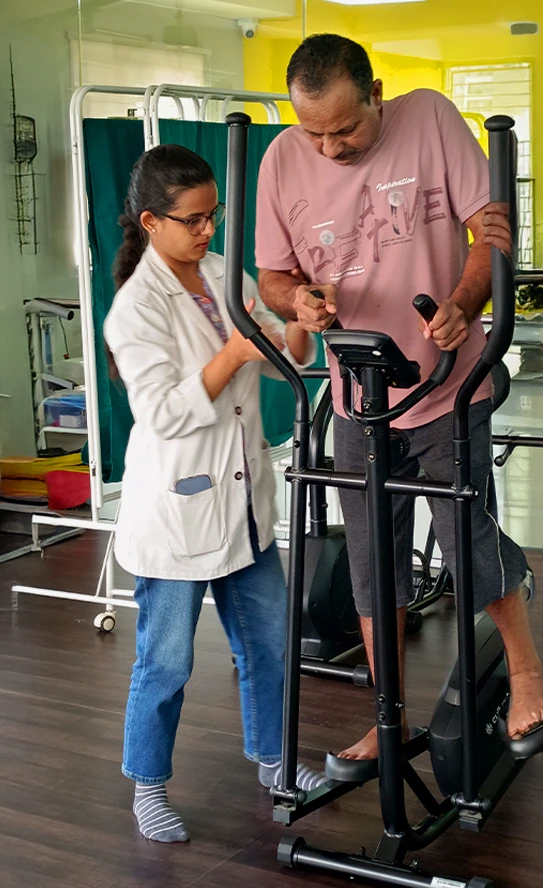
Symptoms Interpreted in Context

The physiotherapist checks the region involved, movement, strength, walking or balance, limb sensation and the activities that are limited. The examination is not designed to prove every scan finding is painful. It identifies modifiable problems and whether conservative rehabilitation can proceed safely.

Understanding Spondylosis

What Causes Spondylosis-Related Symptoms?

Spondylosis reflects changes that can develop in spinal discs, joints and surrounding structures over time. Genetics, previous injury, occupation and general health may influence these changes. Symptoms may arise from joint or muscle irritation, reduced movement, deconditioning or nerve involvement, but the relationship between imaging and pain is not exact.

Reduced activity after a painful episode can further lower strength and confidence. A gradual programme can help rebuild capacity, while repeated fear-based messages about degeneration may increase avoidance. Treatment should give a realistic explanation without promising that exercise removes arthritis or restores a young spine.

Safety First

When to Seek Urgent Medical Attention

Seek urgent medical assessment for progressive arm or leg weakness, new walking or balance difficulty, loss of hand coordination, symptoms affecting several limbs, bladder or bowel changes, saddle numbness, severe trauma or sudden neurological change. Fever, unexplained weight loss or severe unremitting pain also requires medical review. These features should not be treated as ordinary spondylosis stiffness.

Your First Assessment

How Our Spondylosis Physiotherapy Assessment Works

Bring scan reports, prescriptions, details of medical conditions and a list of medicines. The first visit clarifies which symptoms are likely related, whether neurological signs are stable and what daily activities the patient wants to improve.

01

History and scan review

We discuss neck or back symptoms, limb changes, previous episodes and what the imaging report means in context.

02

Movement and strength

Spinal, shoulder, hip and limb movement and strength are checked according to the region and comfort.

03

Neurological, balance and gait screen

Sensation, reflexes, coordination, walking or balance are assessed when clinically indicated.

04

Functional goals

Targets may include turning for driving, walking, stairs, lifting, sleep, desk work or household independence.

Visit Apricot Care

Visit Our Spondylosis Physiotherapy Clinic in Kharadi, Pune

Apricot Care provides cervical and lumbar spondylosis rehabilitation at its Kharadi clinic. The centre is accessible from Viman Nagar, Wadgaon Sheri, Chandan Nagar, Wagholi, Kalyani Nagar, Magarpatta, Hadapsar and nearby Pune areas. Use the map for directions and confirm your appointment before visiting.

Clinic address3rd Floor, Cherry Life, F Wing, Ganga Altus, 301 & 302, Thite Nagar, Kharadi, Pune, Maharashtra 411014
Opening hoursMonday to Sunday, 8:00 am to 8:00 pm
Call Apricot Care+91 73876 41462
Personalised Rehabilitation

Our Physiotherapy Plan for Spondylosis Pain and Function

What to Expect From the First Few Sessions

Early sessions focus on understanding symptoms, establishing a safe activity baseline and teaching a manageable programme. Progress may involve easier turning, walking, bending or lifting, improved strength and fewer activity-related flare-ups. Pain reduction is one outcome, but function and independence are also important.

Spondylosis is usually managed rather than “cured” by removing scan changes. The amount of physiotherapy varies according to symptoms, neurological findings and health. Apricot Care does not promise permanent pain relief, and the plan should be reviewed if function declines or neurological signs appear.

Why Choose Apricot Care for Spondylosis Physiotherapy in Pune

Apricot Care provides one-to-one assessment and age-appropriate rehabilitation for cervical and lumbar presentations. The plan links movement and strength to real goals and includes explanation of scan findings in plain language.

The Kharadi clinic can coordinate with medical or spine specialists when neurological symptoms, severe pain or other health concerns require investigation. Patients and families are encouraged to report changes in walking, hand function, bladder or bowel control promptly.

Kharadi and East Pune

Spondylosis Physiotherapy Near Kharadi and East Pune

When choosing a spondylosis physiotherapy clinic, compare the clinician’s ability to screen neurological changes, explain the findings and provide progressive exercise. Apricot Care is located in Kharadi, Pune, and is accessible from nearby areas of East Pune.

Get Directions
Book appointment
Your Road to Recovery

Book a Physiotherapy Assessment

In-Clinic Care in Kharadi

Visit Apricot Care for cervical or lumbar spondylosis assessment and a personalised rehabilitation plan.

Selected Home-Care Options

Home visits may be considered when mobility or practical access is limited.

Spondylosis physiotherapy appointment at Apricot Care Pune
Common Questions

Frequently Asked Questions About Spondylosis Treatment in Pune

No. Spondylosis generally refers to age-related spinal changes, while spondylitis can refer to inflammatory conditions. The terms should not be used interchangeably. A doctor may be needed when symptoms suggest inflammatory disease or a systemic condition.

Physiotherapy may help improve neck movement, strength, activity tolerance and self-management for selected cervical spondylosis symptoms. Progressive weakness, hand clumsiness, walking difficulty or bladder and bowel changes require urgent medical assessment.

Appropriate exercises may address back and hip mobility, trunk and leg strength, walking and general conditioning. There is no single routine for everyone. The programme should reflect pain, balance, bone health and other medical conditions.

Physiotherapy cannot reverse age-related structural changes or guarantee permanent relief. It can help many people improve function, capacity and symptom management. Treatment should set realistic goals and coordinate medical care when required.

Apricot Care reviews symptoms, scans, movement, strength and neurological signs when indicated. The physiotherapist then selects a personalised programme or recommends medical referral if the presentation is not suitable for routine rehabilitation.

Apricot Care is located at 3rd Floor, Cherry Life, F Wing, Ganga Altus, 301 & 302, Thite Nagar, Kharadi, Pune, Maharashtra 411014. The clinic is accessible from Kharadi and nearby East Pune areas. Call +91 73876 41462.

WhatsApp Call