Upper Back Pain Treatment in Pune with Physiotherapy

Upper Back Pain Treatment in Pune with Physiotherapy

Upper back pain can be felt between the shoulder blades, around the ribs or across the upper part of the spine. It may become noticeable during desk work, long drives, lifting, exercise, deep breathing or certain arm movements. Apricot Care provides upper back pain physiotherapy in Pune from its Kharadi clinic, with assessment focused on the thoracic spine, neck, shoulders and the daily activities that reproduce symptoms.

Because discomfort in this region can come from several structures, treatment should not begin with a generic massage or exercise routine. The physiotherapist first checks whether the pain behaves like a movement-related problem and screens for symptoms that require medical assessment. When rehabilitation is appropriate, the plan may combine mobility, strength, breathing or rib-cage work, activity modification and gradual reloading.

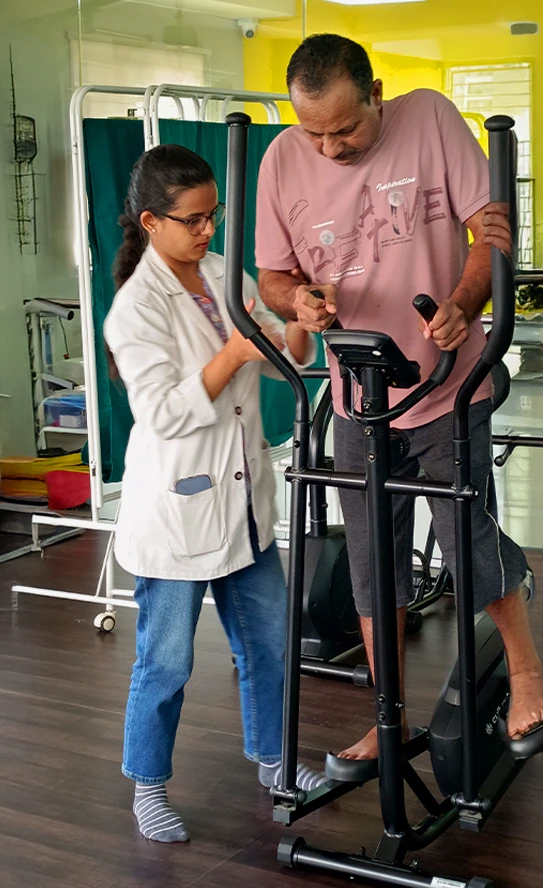
Upper back pain physiotherapy and rehabilitation at Apricot Care Pune

Individual Upper Back Rehabilitation

Treatment is connected to desk work, lifting, reaching, breathing and return-to-exercise goals.

Whole-Region Assessment

The thoracic spine, neck, shoulders, ribs and relevant movement patterns are considered together.

Active Rehabilitation

Mobility and strengthening are progressed instead of relying only on passive relief.

Desk and Lifting Guidance

Recommendations are linked to work habits, travel, carrying and household activities.

When Physiotherapy May Help

Upper Back Pain Physiotherapy in Pune: Who It May Help

Physiotherapy may be suitable when upper back discomfort increases after prolonged sitting, repeated reaching, gym activity, lifting or a change in workload. People also seek assessment for stiffness between the shoulder blades, muscle fatigue around the upper spine, pain associated with posture changes, or symptoms that return during laptop and mobile use. A clinician can help determine whether the main limitation is mobility, muscle capacity, movement control or a combination of factors.

Pain described as 'upper back bone pain' does not automatically mean that a bone is damaged. Likewise, upper middle back pain in women and men can have similar musculoskeletal causes, but sex-specific assumptions should not replace a proper history. Persistent symptoms associated with chest, breast, abdominal or systemic concerns should be discussed with an appropriate medical professional.

Clinical Assessment

Upper Back Pain Symptoms and Presentations We Assess

Common Presentations

Common presentations include aching or tightness between the shoulder blades, one-sided pain near the spine, discomfort after sitting, pain with rotation, reduced tolerance for overhead activity and muscular soreness after lifting. Some people feel pain around the rib cage or notice that neck or shoulder movement changes the symptoms. Others report recurring spasm or fatigue toward the end of the working day.

Comprehensive Assessment Approach

The physiotherapist checks whether symptoms are local, referred from the neck or shoulder, linked with a rib or thoracic movement, or influenced by breathing and load. The assessment also considers sleep, stress, recent illness, injury, osteoporosis risk and general health. The objective is to avoid labelling every upper-back complaint as a posture problem without evidence.

When to Seek Urgent Medical Attention

Seek urgent medical assessment if upper back pain occurs with chest pressure, breathlessness, fainting, sweating, severe abdominal symptoms, fever, a new rash, major trauma, sudden severe pain, progressive weakness or numbness, or unexplained weight loss. Persistent night pain, a history of cancer, significant osteoporosis risk or pain that is unrelated to movement also warrants prompt review. Physiotherapy should not delay emergency or medical care for these features.

Your First Visit

How We Assess Upper Back Pain at Apricot Care

Your first visit reviews the onset, location and behaviour of pain and how it affects sitting, reaching, lifting, breathing, sleep and exercise. Bring relevant medical reports, especially after trauma or when another clinician has already investigated the symptoms.

Assessment considers pain behaviour, sensation, leg strength, reflexes when relevant, spinal and hip movement, walking and daily tasks. No single test confirms every case. Findings are interpreted with your history, health, available scans and response to movement.

01

History and Screening

We discuss injury, work setup, exercise, cough or illness, bone-health risk and symptoms outside the musculoskeletal system.

02

Thoracic, Neck and Shoulder Movement

The clinician assesses rotation, bending, arm elevation and movements that reproduce or ease the discomfort.

03

Strength and Endurance

Shoulder-blade, shoulder and trunk capacity may be checked using tasks relevant to work, carrying or sport.

04

Functional Baseline

Sitting tolerance, lifting, reaching or other meaningful tasks are recorded so progress can be measured.

Visit Apricot Care

Visit Our Upper Back Pain Physiotherapy Clinic in Kharadi, Pune

Apricot Care provides upper back pain assessment and rehabilitation at its Kharadi clinic. Patients may travel from Viman Nagar, Wadgaon Sheri, Chandan Nagar, Wagholi, Kalyani Nagar, Magarpatta, Hadapsar and other nearby parts of Pune. Use the map below for directions and call before visiting to confirm the appointment.

Opening hours Monday to Sunday, 8:00 am to 8:00 pm
Address 3rd Floor, Cherry Life, F Wing, Ganga Altus, 301 & 302, Thite Nagar, Kharadi, Pune, Maharashtra 411014
Personalised Rehabilitation

Our Upper Back Pain Physiotherapy and Rehabilitation Plan

Treatment is matched to the stage of the problem and the activity you want to regain. The starting range and load are adjusted according to whether symptoms remain stable, move further down the leg or become more intense after activity.

Thoracic Mobility and Movement Confidence

Exercises may target rotation, extension and comfortable movement of the upper spine and rib cage. The aim is not to force a stiff area aggressively but to build tolerance through an appropriate range and gradually connect the movement to daily tasks.

Shoulder-Blade and Upper-Body Strengthening

Progressive exercises may address the shoulder-blade muscles, shoulders, upper back and trunk. Improving endurance can be important for desk work, carrying, lifting and repeated arm activity. Resistance is increased according to technique and symptom response.

Breathing and Rib-Cage Mechanics

When pain changes with breathing or rib movement and serious causes have been excluded, the physiotherapist may use gentle breathing and mobility exercises. These are selected after assessment and are not a substitute for medical review when breathlessness or chest symptoms are present.

Workstation, Travel and Lifting Guidance

Advice may include changing position regularly, adjusting screen or chair height, sharing loads, varying repeated tasks and pacing long journeys. Recommendations are practical and tailored; expensive equipment is not automatically required.

What to Expect From the First Few Sessions

The first session provides an explanation of likely contributing factors and a short programme that can be performed safely. Follow-up visits review sitting tolerance, movement, strength and response to work or exercise. Progress may appear as fewer flare-ups, improved rotation, easier reaching or less fatigue at the end of the day.

Recovery time depends on the cause, symptom duration, general health and ongoing workload. Apricot Care does not promise immediate relief or a fixed-session cure. When progress is not consistent with the working diagnosis, the physiotherapist should reconsider the plan and recommend medical evaluation where appropriate.

Why Choose Apricot Care for Upper Back Pain Physiotherapy in Pune

Apricot Care uses a one-to-one assessment and functional goal setting rather than treating the upper back in isolation. Patients receive an explanation, supervised rehabilitation and a home plan that can be fitted around work and daily routines.

The Kharadi clinic supports exercise-based care and can coordinate with a doctor when trauma, persistent unexplained symptoms or other health concerns require investigation. Patients should be able to ask about the physiotherapist's qualifications, the reason for each recommendation and how progress will be reviewed.

Kharadi and East Pune

Upper Back Pain Physiotherapy Near Kharadi and East Pune

When choosing care for upper back pain, check whether the provider screens non-musculoskeletal symptoms, explains the assessment findings and sets realistic rehabilitation goals. Apricot Care's clinic is located in Kharadi and is accessible to patients travelling from nearby areas of Pune.

Get Directions
Book appointment
Your Road to Recovery

Book an Appointment for Upper Back Pain Physiotherapy

In-Clinic Care in Kharadi

Visit Apricot Care for upper back pain assessment and a personalised rehabilitation plan.

Selected Home-Care Options

Home visits may be considered when mobility or practical access is limited.

Upper back pain physiotherapy appointment at Apricot Care
Common Questions

Frequently Asked Questions About Upper Back Pain Treatment

Pain between the shoulder blades may be associated with muscle overload, prolonged positions, thoracic stiffness, shoulder movement or referral from the neck. It can also have non-musculoskeletal causes. Assessment is especially important when pain is severe, unexplained or accompanied by chest, breathing or systemic symptoms.

Appropriate mobility and strengthening exercises can help many movement-related presentations. The programme should match the painful movements, current strength and activity demands. Generic exercises may be unsuitable after trauma or when symptoms suggest a medical cause.

Imaging is not automatically required for uncomplicated movement-related pain. A doctor may recommend it after significant trauma, with neurological findings, bone-health risk, persistent unexplained pain or when the result is likely to change management. Physiotherapy assessment does not replace medical investigation when warning signs are present.

Treatment depends on the cause rather than gender alone. Muscular, thoracic, neck and shoulder factors can affect anyone. However, pain associated with chest, breast, abdominal, pregnancy-related or systemic concerns should receive appropriate medical assessment before being assumed to be a simple muscle problem.

Apricot Care reviews symptom behaviour, relevant health history, thoracic and shoulder movement, strength, work demands and meaningful activities. The physiotherapist then explains whether rehabilitation is suitable and creates a plan for mobility, strength and self-management.

Apricot Care is located at 3rd Floor, Cherry Life, F Wing, Ganga Altus, 301 & 302, Thite Nagar, Kharadi, Pune, Maharashtra 411014. The clinic is accessible from Kharadi and nearby East Pune areas. Call +91 73876 41462.

WhatsApp Call