
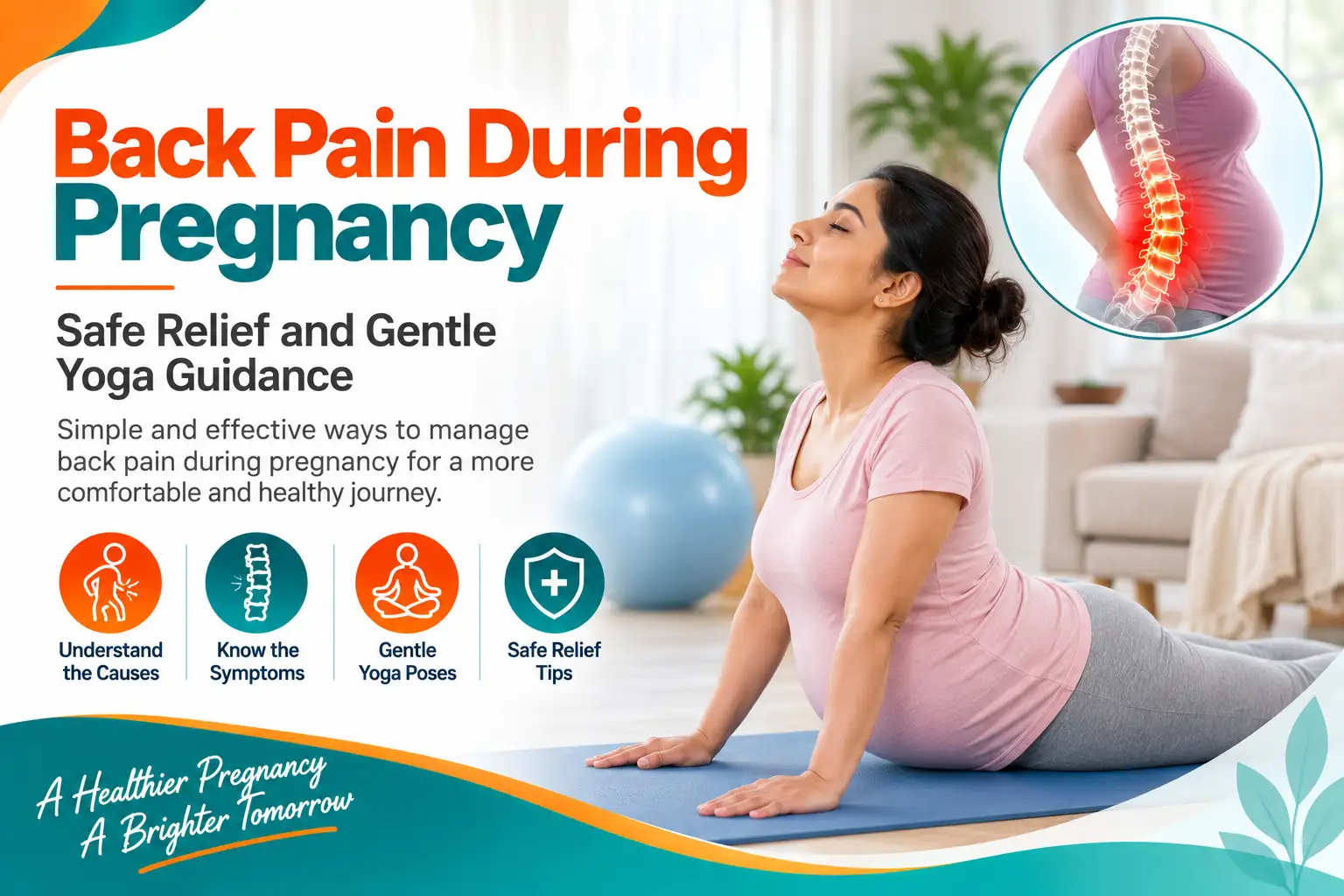

Back pain during pregnancy can turn ordinary tasks, such as getting out of bed or standing to cook, into uncomfortable ones. It is common, but you do not have to dismiss it as something to simply endure. Small changes to movement, rest and daily tasks may help. Gentle exercise may also be useful when your pregnancy care team says it is safe. This guide explains what can cause the pain, how to approach back pain yoga exercises, and the signs that mean you should seek medical advice rather than try another stretch.
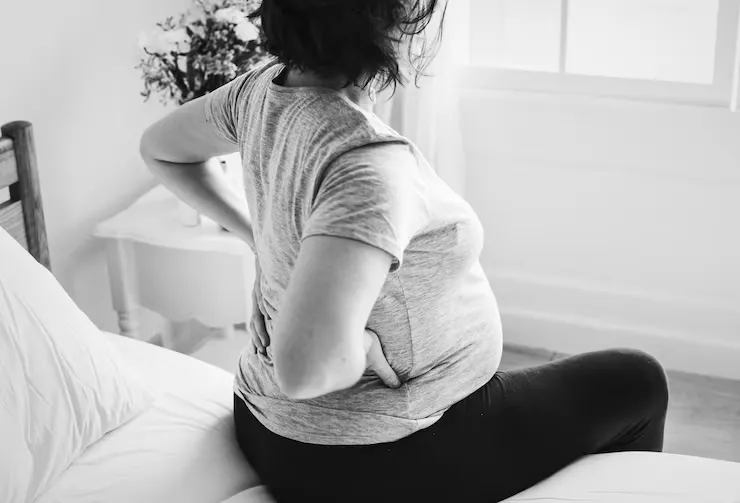
Why Back Pain During Pregnancy Happens
Pregnancy changes how the back and pelvis manage load. Ligaments become more flexible, the abdomen grows, and the centre of gravity shifts. The muscles around the trunk and hips may need to work differently. A long day of standing, repeated bending or poor sleep can add to the strain. Pain may be felt across the lower back, near one or both sides of the pelvis, or around the buttocks.
Location alone does not reveal the cause. Pain in the buttock or leg may come from several structures, while pain at the pelvic joints may be aggravated by stairs, turning in bed or standing on one leg. A clinician can help distinguish these patterns. New severe pain, especially when paired with other symptoms, should not be labelled 'normal pregnancy pain' without assessment.
What May Help Before You Try Exercises
Start with the activities that repeatedly trigger discomfort. You may not need to stop them entirely, but changing how you do them can reduce strain. The goal is comfortable, regular movement, not a rigid posture that you must hold all day.
- When lifting a light object, bend your knees, bring it close to your body and turn with your feet instead of twisting through your back. Ask for help with heavier loads.
- For sitting, use back support if it feels helpful and change position regularly. A short walk or standing break may be easier than staying in one position for hours.
- For sleep, try a supported side-lying position with pillows where they improve comfort. Your maternity clinician can advise on positioning for your stage of pregnancy.
- A comfortably warm bath or a gentle massage may ease muscle tension. Avoid excessive heat and ask your maternity team before trying any treatment you are unsure about.
If pain keeps interrupting sleep, walking or work, ask your maternity clinician about an assessment. A physiotherapist can examine movement, identify tolerable activities and suggest an individual plan. The clinic's general back pain physiotherapy service explains its assessment approach; pregnancy-specific suitability should be confirmed when booking.
Back Pain Yoga Exercises During Pregnancy
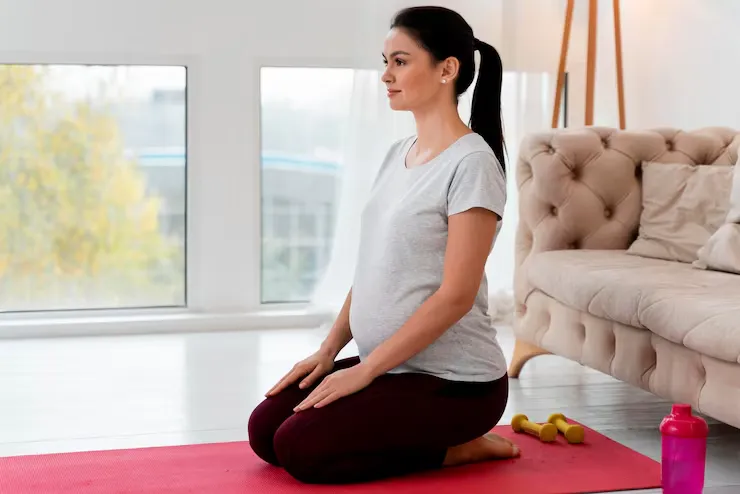
Searches for back pain yoga exercises often lead to long routines with impressive-looking poses. During pregnancy, the safest starting point is simpler: first check with your obstetrician or maternity clinician that exercise is appropriate for you. If it is, choose modified prenatal yoga with a qualified instructor who knows how to adapt movement to your trimester, balance and symptoms. A pose should not cause sharp pain, dizziness or pressure that feels wrong.
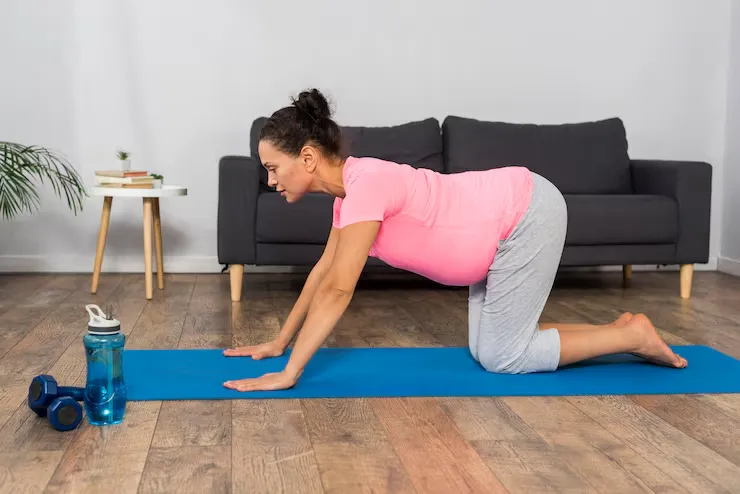
A gentle hands-and-knees spinal movement is one example used in pregnancy guidance. Place hands beneath shoulders and knees beneath hips. Slowly round the back only as far as comfortable, then return to a neutral back rather than forcing a deep arch. Keep breathing naturally. Stop if wrist, knee, pelvic or back discomfort increases. Some people need cushions, a higher hand position or a different movement altogether.
Another option is a supported seated or standing pelvic movement, where you make a small, comfortable change in pelvic position and return to neutral. This is a movement idea, not a prescription for a fixed number of repetitions. A physiotherapist can show you how much range and frequency suit your pain. If the movement repeatedly makes symptoms worse, leave it out.
How to Choose Back Pain Asanas Safely
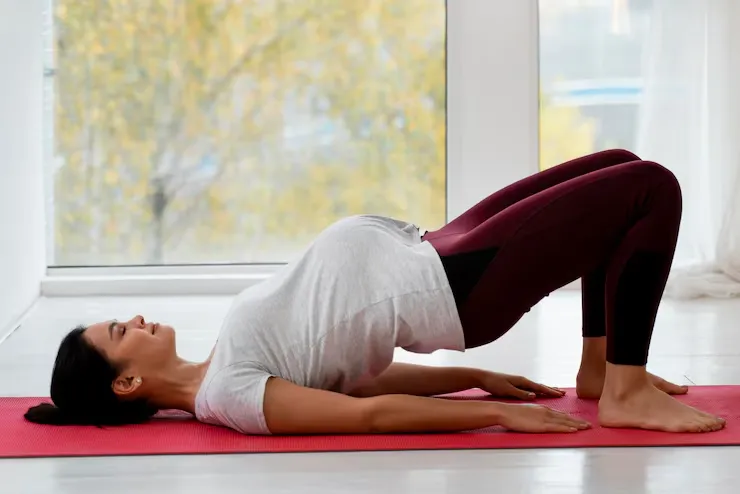
'Back pain asanas' cover very different movements, and no single sequence is right for every pregnancy. Start with positions that let you breathe freely, keep your balance and move without strain. Props such as a chair, wall or cushions can make a pose more comfortable. Explain any pelvic pain, leg symptoms or dizziness to the instructor before class.
Skip hot yoga because overheating is a concern during pregnancy. Avoid balance poses with a meaningful risk of falling and any deep twist or stretch that pulls on a painful area. Later in pregnancy, avoid prolonged flat-on-the-back positions; ask for a side-lying, seated or standing alternative. Do not hold your breath to get through a pose. These precautions matter more than completing a named sequence.
Walking and water-based movement are also options when cleared by your maternity team. If you were not exercising before pregnancy, start with a short, easy session and build gradually rather than trying to meet a target immediately. You should still be able to talk during moderate activity. Drink water, avoid overheating and pay attention to how you feel during and after movement.
A Practical Day With Less Back Strain
Think of relief as a set of small adjustments across the day. When you rise from bed, roll onto your side and use your arms to push up if that feels easier. Break up long spells of sitting or standing. Put frequently used objects within easy reach. If carrying shopping increases pain, distribute the load or ask someone to help. These changes are not a cure, but they may make daily activity more manageable while you seek advice for persistent symptoms.
It can help to note when pain appears, what makes it better, whether it spreads into a leg and how it affects sleep or walking. Bring this record to your maternity or physiotherapy appointment. It gives the clinician a clearer starting point than a pain score alone. If a recommended exercise causes a flare that does not settle, tell the clinician so the plan can be adjusted.
When Physiotherapy May Be Worth Discussing
Consider physiotherapy if pain limits normal movement, returns frequently or makes you avoid activities you otherwise could do. Assessment may cover your symptom pattern, walking, sitting, hip and back movement, and any leg symptoms. A suitable plan might combine education, activity changes and gentle strengthening. Your maternity clinician should remain involved when pregnancy-related symptoms or complications are present.
Do not begin a generic back-pain programme simply because it worked before pregnancy. Some exercises and manual techniques need modification; others may not fit your situation. When you contact a clinic, tell them you are pregnant, how many weeks pregnant you are, and any restrictions or advice from your obstetrician. You can read more about the clinic's broader physiotherapy assessment options before deciding whether to enquire.
When Back Pain Needs Medical Attention
Contact your maternity team promptly if back pain comes with vaginal bleeding, leaking fluid, regular painful contractions, fever, pain when you urinate or pain under the ribs at one or both sides. Back pain in the second or third trimester that feels unusual or significant also needs a conversation with your maternity clinician. These combinations may point to something other than a simple muscle strain.
Seek emergency care for loss of feeling in the legs, buttocks or genital area, new trouble controlling the bladder or bowel, or rapidly worsening weakness. Stop exercising and contact your maternity team if you feel faint, develop chest pain, have calf pain or swelling, or notice other warning signs during activity. If you are unsure whether a symptom is urgent, call your maternity provider instead of waiting for a physiotherapy appointment.
The Takeaway
Back pain during pregnancy is common, yet the right response depends on the pain pattern and the rest of your symptoms. Comfortable activity, practical changes to daily tasks and modified prenatal movement may help when your maternity clinician agrees they are safe. If pain is severe, persistent or accompanied by warning signs, seek medical advice first. A tailored assessment is more useful than pushing through a yoga routine that does not suit your body.
Book a Back Pain Assessment
If you live in Pune and want to discuss your back pain, Apricot Care can explain its physiotherapy assessment process and whether an appointment is appropriate during pregnancy. Please mention your pregnancy and any guidance from your obstetrician when you enquire.
Medical note: This article is general information, not a diagnosis or a personal exercise plan. Pregnant readers should check new exercises and treatments with their maternity clinician, especially if the pregnancy is high risk or symptoms are changing.
Frequently Asked Questions
Is back pain during pregnancy normal?
Back pain is common in pregnancy because the body and daily movement demands change. Still, severe, sudden, persistent or unusual pain deserves assessment, especially if it comes with bleeding, fever, urinary symptoms or contractions.
Which back pain yoga exercises are safe during pregnancy?
Modified prenatal yoga may be suitable in an uncomplicated pregnancy after your maternity clinician confirms exercise is safe. Gentle hands-and-knees spinal movement, supported seated movement and breathing may be options, but the right choice depends on your symptoms and stage of pregnancy.
Are all back pain asanas safe while pregnant?
No. Avoid hot yoga, positions with a fall risk, deep movements that provoke pain and prolonged flat-on-the-back poses later in pregnancy. A qualified prenatal instructor or physiotherapist can help adapt a pose to your needs.
Can walking help pregnancy-related back pain?
For many people with an uncomplicated pregnancy, a comfortable walk is a practical way to stay active. Begin with a manageable duration, use the talk test to gauge effort, and stop if symptoms worsen or your maternity team has advised restrictions.
When should I seek urgent help for back pain in pregnancy?
Contact your maternity team promptly for back pain with bleeding, fluid leakage, regular painful contractions, fever, pain when urinating or pain beneath the ribs. Seek emergency care for loss of feeling in the legs, buttocks or genital area, or new bladder or bowel control problems.
Can Apricot Care help with back pain during pregnancy?
Apricot Care offers back pain physiotherapy assessment in Kharadi, Pune. If you are pregnant, tell the team your gestational stage and share your obstetrician's advice when booking so they can confirm whether a suitable assessment or referral is appropriate.
.webp)