Physiotherapy Clinic in Pune
One-to-One Assessment and Rehabilitation in Kharadi, Pune

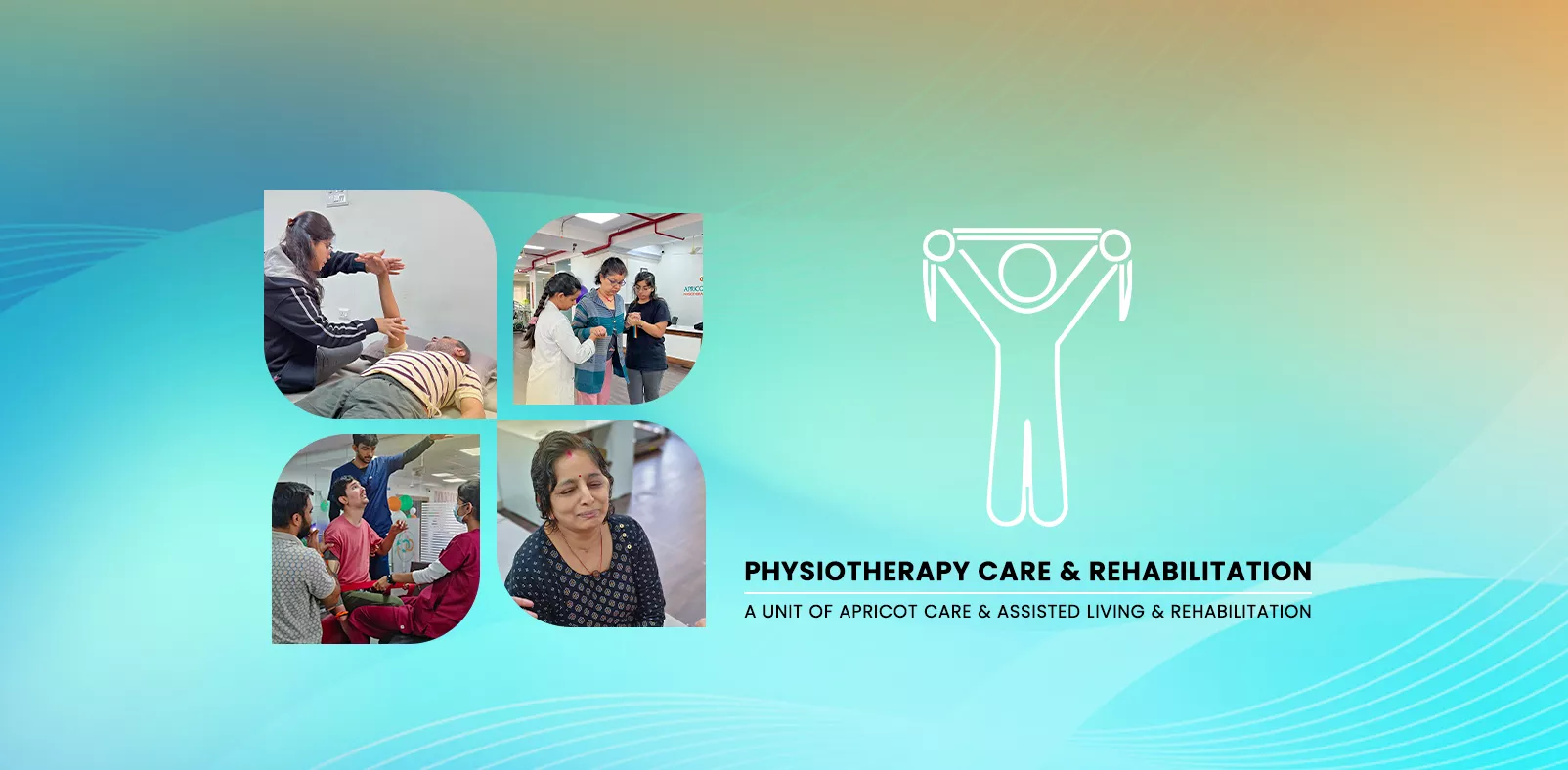
Pain that will not settle, a joint that has stopped moving the way it used to, or a slow recovery after surgery or a fracture can make ordinary days harder. At Apricot Care's physiotherapy clinic in Kharadi, Pune, your physiotherapist first works out what is limiting your movement, then builds a plan around what you want to get back to: walking without pain, returning to sport, lifting a child, or getting through a working day.
Appointments are one-to-one. You can visit our clinic, or ask whether home physiotherapy is suitable for you.
-
Where: 3rd Floor, Cherry Life F wing Ganga Altus, 301 & 302, Thite Nagar, Kharadi, Pune, Maharashtra 411014
-
Open: Monday to Sunday, 8:00 am to 8:00 pm
-
Choose: A clinic visit or home physiotherapy (subject to suitability and location)
Book Appointent Call Us WhatsApp Us
Who can physiotherapy help?
Physiotherapy is a treatment that eases pain and improves movement after an injury, illness or disability, using exercise, hands-on techniques and advice. People commonly come to us with:
-
Back pain, lower back pain, sciatica and neck pain
-
Shoulder pain, frozen shoulder and tennis elbow
-
Knee pain, hip, ankle and foot problems, including plantar fasciitis
-
Sports and overuse injuries
-
Recovery after surgery or a fracture, including post-surgical and post-fracture rehabilitation
-
Movement, balance and walking difficulties linked to neurological conditions such as stroke or Parkinson's disease: see neuro physiotherapy
-
Strength, balance and falls-risk concerns in older adults: see geriatric physiotherapy
-
Movement and development concerns in children: see paediatric physiotherapy
Signs it is worth booking an assessment
-
Pain that has lasted more than a few weeks, or keeps coming back.
-
Stiffness or weakness that limits everyday tasks such as dressing, climbing stairs, reaching or sleeping.
-
Swelling, instability or a joint "giving way" after an injury, once any emergency has been ruled out (see the urgent-care section below).
-
Slow progress after surgery or a fracture.
-
Changes in balance, walking or coordination. If these are sudden, get medical help first.
Not sure whether physiotherapy is the right next step? Call or WhatsApp us. If a doctor's review should come first, we will tell you.
Physiotherapy and rehabilitation services at our Pune clinic
Your assessment decides which approach fits. These are the main areas our team works in.
Orthopaedic and musculoskeletal physiotherapy
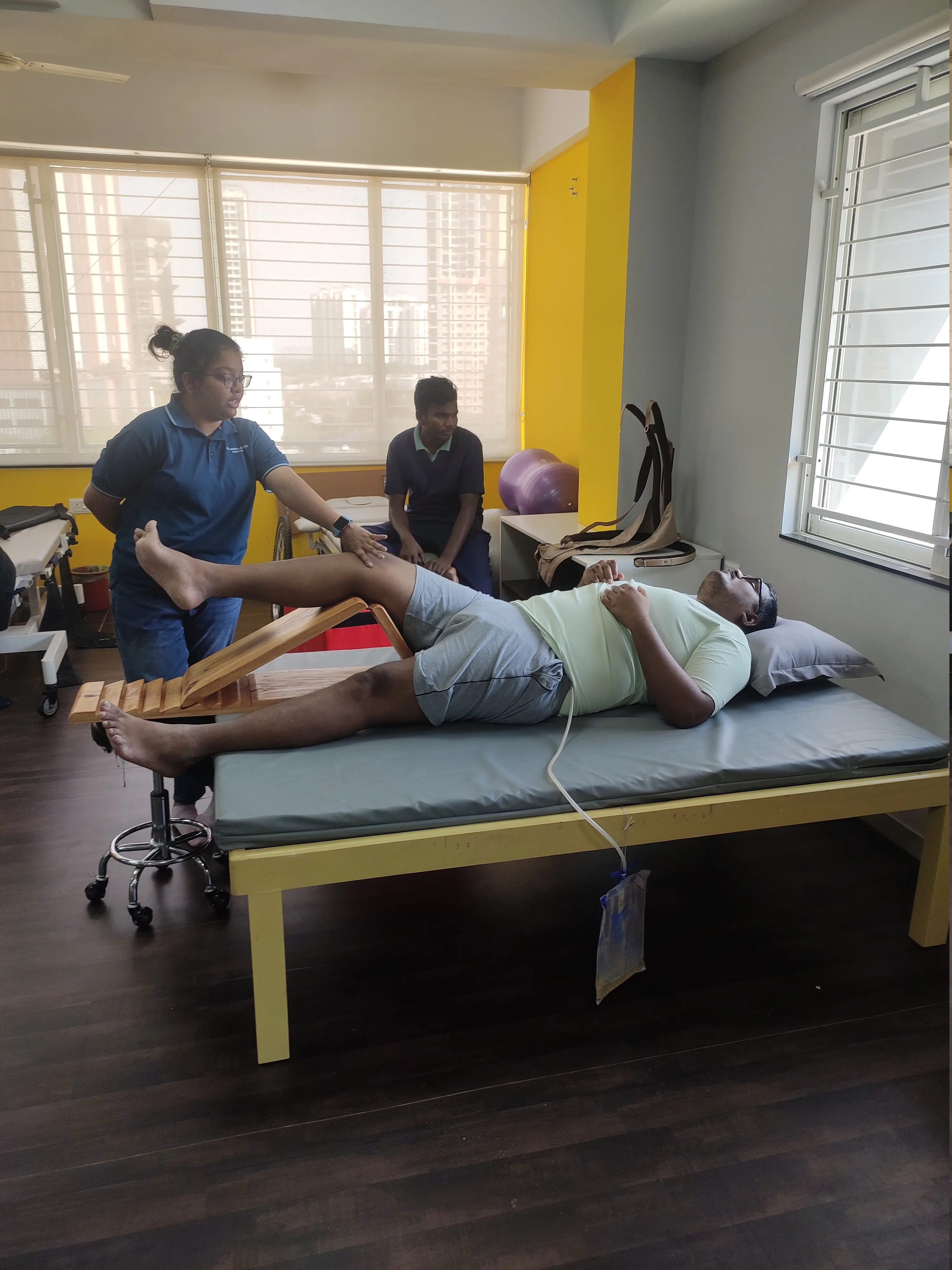
For problems of the joints, muscles, ligaments and tendons: pain, stiffness, sprains, strains and reduced movement. Learn about orthopaedic physiotherapy .
Neuro physiotherapy
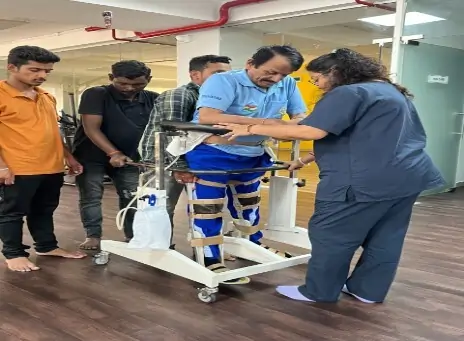
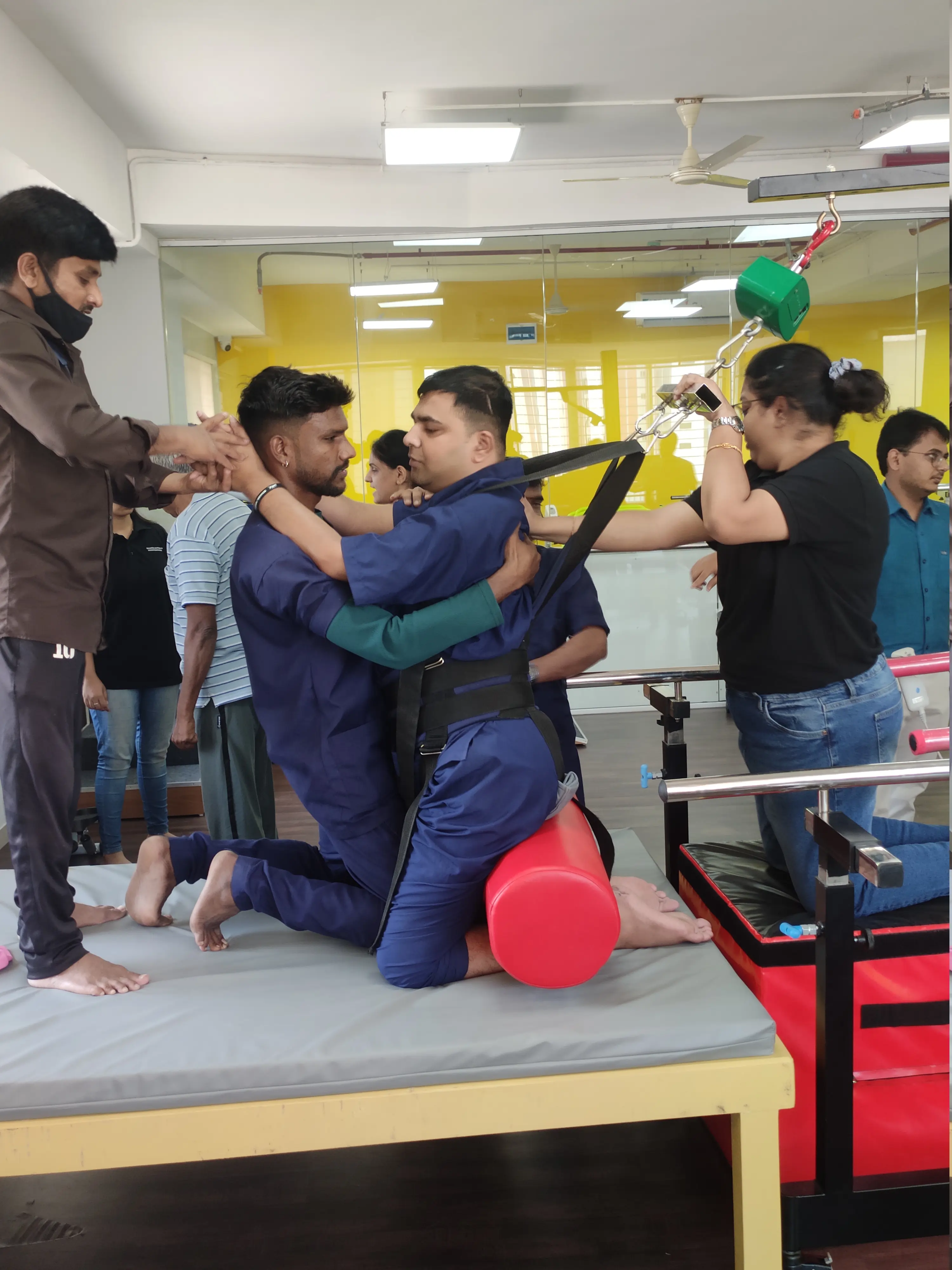
For movement, balance, coordination and walking difficulties after a stroke, spinal cord injury or brain injury, or alongside conditions such as Parkinson's disease, multiple sclerosis and cerebral palsy. Learn about neuro physiotherapy .
Post-surgical and post-fracture rehabilitation
Graded rehabilitation after joint replacement, ligament repair, spine surgery or a fracture, following your surgeon's instructions and the stage of healing. See post-surgical physiotherapy and post-fracture physiotherapy .
Sports injury rehabilitation
Rebuilding movement, strength and confidence after muscle, tendon or ligament injuries, with a step-by-step return to training. Sports injury physiotherapy .
Geriatric and paediatric physiotherapy
Age-specific programmes for older adults (strength, balance and walking) and for children (movement and motor development). See geriatric physiotherapy and paediatric physiotherapy .
Home physiotherapy
For people who cannot travel comfortably. Home physiotherapy in Pune .
What happens at your first physiotherapy appointment
Knowing what to expect makes the first step easier. A typical first visit looks like this.
-
1. A conversation. When the problem starts, what makes it better or worse, previous injuries or surgery, your health conditions and medicines, and what you want to be able to do again.
-
2. An examination. Your physiotherapist looks at how you move, your posture, strength and joint movement and, where relevant, balance, walking and nerve function.
-
3. An explanation. What is likely causing your symptoms, what is safe to do, and whether you should have a scan or see a doctor first.
-
4. A plan. Your goals, how often to come, how progress will be checked, and the first treatment, which often starts in the same visit.
-
5. A home programme. A few exercises to do between visits, with guidance on what to do if symptoms flare up.
Plan for about 45 to 60 minutes for the first visit. Please bring any scans, reports, prescriptions or discharge summaries, and wear loose, comfortable clothing so the affected area can be examined.
How physiotherapy treats pain and movement problems
After assessment, most treatment plans combine some or all of the following.
Exercise therapy
Tailored strengthening, mobility, balance and endurance exercises. Exercise is a central part of physiotherapy: guidelines list tailored exercise among the core treatments for osteoarthritis, and the World Health Organization recommends exercise programmes for long-term (chronic) low back pain. Exercise should be graded to what your body can handle now. It is not about pushing through pain.
Hands-on (manual) therapy
Joint mobilisation and soft-tissue techniques can ease stiffness and discomfort for some people. Guidelines support manual therapy as part of a package that also includes exercise, rather than as a stand-alone fix.
Education and self-management
Understanding your condition, how to pace activity, which positions and movements to adjust, and how to set up your work and home environment. WHO guidance also recommends education alongside exercise for chronic low back pain.
Heat, cold and other supportive methods
Heat, cold packs and, in selected cases, electrical stimulation or ultrasound may be used to make movement more comfortable. These are add-ons chosen case by case. They do not replace exercise and movement-based care.
Your physiotherapist explains what they are doing and why. You can ask questions, or ask to pause or change a technique, at any point.
What physiotherapy can and cannot do
Physiotherapy can help reduce pain and stiffness, improve strength, movement and balance, build your confidence in using the affected part of your body, and teach you how to manage flare-ups.
It cannot guarantee a particular result or recovery date. Outcomes depend on the condition, how long you have had it, your general health and how consistently you can follow the plan. Some problems also need a doctor's or surgeon's input, for example a joint that keeps giving way, a fracture that is not healing, or nerve symptoms that are getting worse. If we see signs of this, we will say so and help you with the next step.
Is physiotherapy safe? Possible side effects
Physiotherapy is generally low risk when it follows a proper assessment, but treatment can have effects.
-
Muscle soreness, or a short-lived increase in pain after exercise or hands-on treatment, can happen, especially when you are starting. For people with osteoarthritis, joint pain may rise a little when exercise begins and settle as strength builds.
-
Tell us if soreness is severe, sharp or not settling, so the plan can be adjusted.
-
Before treatment starts, tell your physiotherapist about fractures, osteoporosis, implants or a pacemaker, pregnancy, blood-thinning medicines or bleeding problems, diabetes, circulation or skin problems, cancer, and recent surgery. These can change what is safe.
How many physiotherapy sessions will I need?
There is no standard number. A recent, mild strain may settle within a few visits. Long-standing pain, recovery after surgery and neurological conditions usually need a longer programme, often weeks to months. After your assessment, your physiotherapist gives you an expected range and reviews progress at set points. If things are not improving as expected, we change the plan or suggest a medical review. For more detail, read how long physiotherapy takes .
Aftercare and staying well
-
Do your home exercises as agreed, and tell us if they are too easy, too hard or painful.
-
Stay as active as you comfortably can. Guidelines for low back pain encourage continuing normal activities where possible rather than prolonged rest.
-
Note what makes your symptoms better or worse, and bring this to your next visit.
-
Have a flare-up plan: we show you what to reduce, what to keep doing and when to call us.
-
When your goals are met, we move you to a self-managed programme so the gains last.
Clinic or home physiotherapy in Pune?
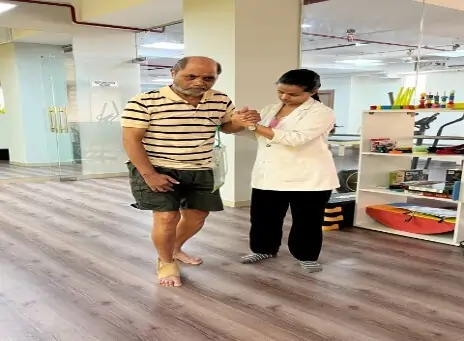
Clinic visit (Kharadi). Suits people who can travel comfortably and who benefit from hands-on assessment and supervised, progressive exercise.
Home visit. Suits people for whom travel is difficult, for example after surgery or a fracture, after a stroke, or because of age or frailty. Home visits depend on clinical suitability and your location; please confirm your area when you book.
Where our patients come from. Our Kharadi clinic is used by people from Chandan Nagar, Viman Nagar, Wadgaon Sheri, Wagholi and Magarpatta, among other parts of east Pune.
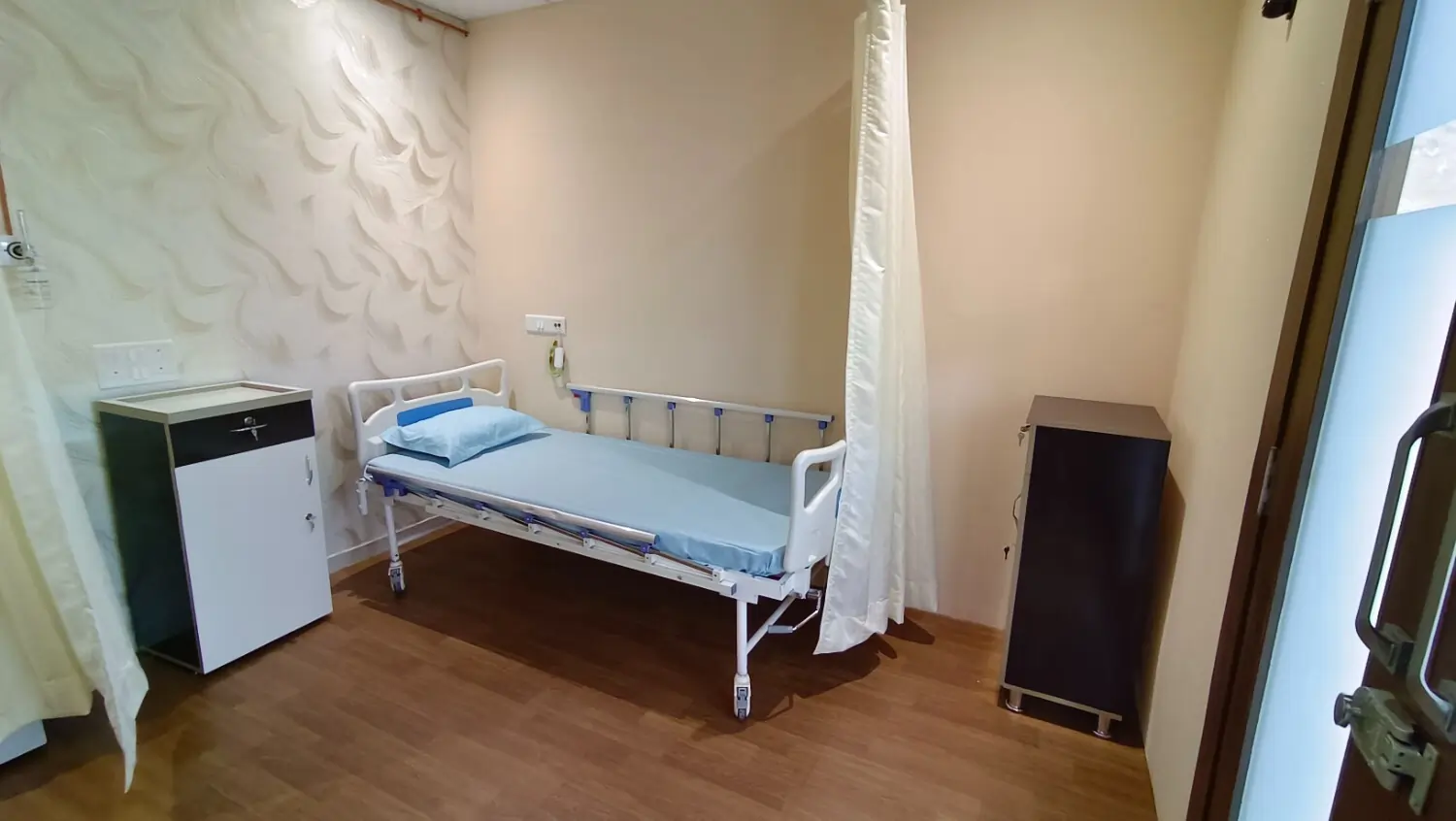
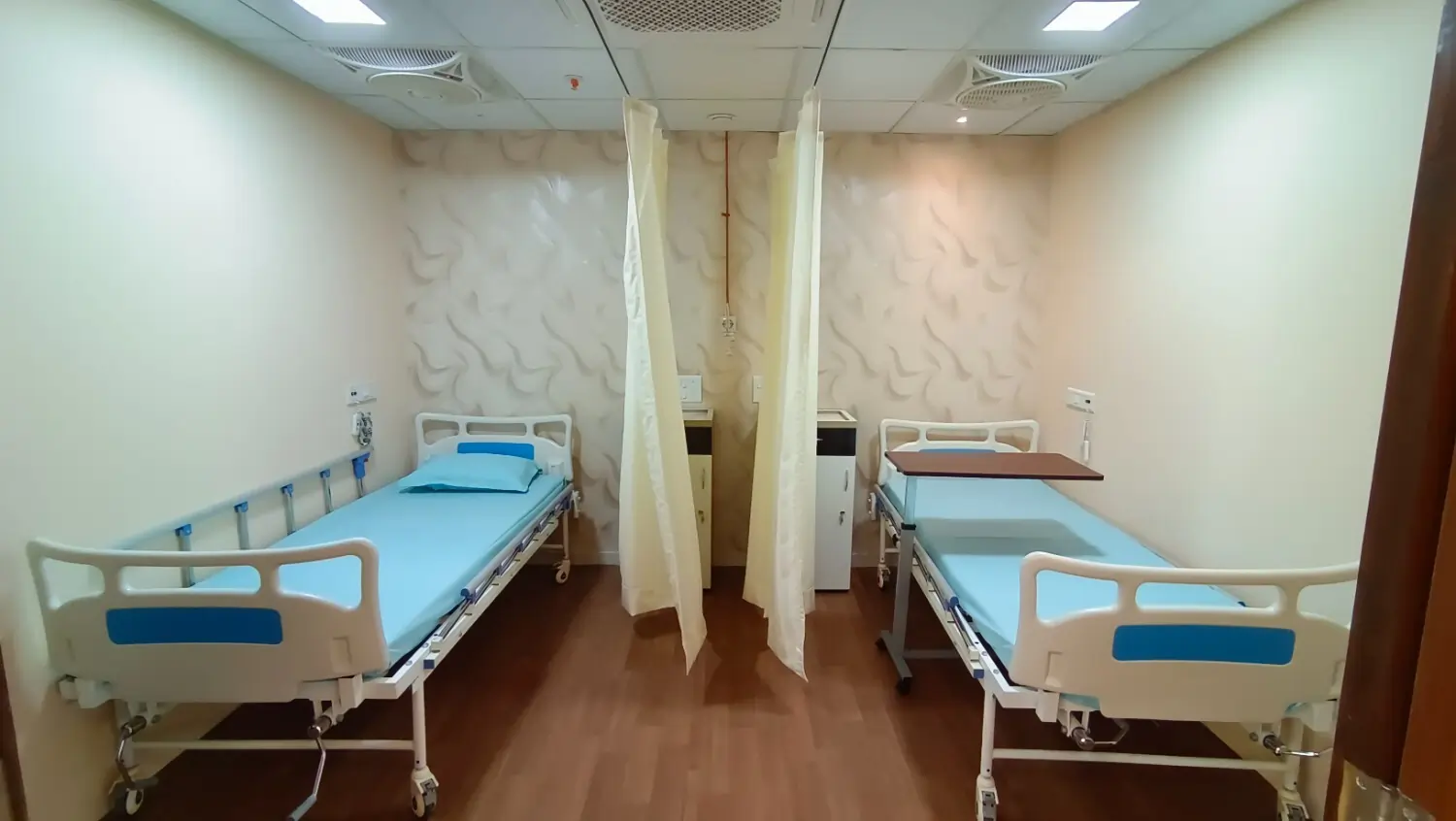
Need rehabilitation with a stay? Apricot Care also offers inpatient rehabilitation with nursing support for people who need it.
Book your physiotherapy assessment in Kharadi, Pune
Our Core Therapeutic Techniques: A Deeper Look
We believe in a treatment philosophy that is active, hands-on, and evidence-based.
The Power of Hands-On Manual Therapy
This is often the first step in your recovery and a cornerstone of our practice. Our Physiotherapists use their hands to directly assess and treat your body. This includes:
- Joint Mobilization & Manipulation: These are skilled, gentle-to-firm movements applied to a joint to reduce pain and restore its normal, healthy range of motion. This is highly effective for stiff and painful joints in the spine, shoulder, knee, and ankle.
- Soft Tissue & Myofascial Release: These techniques target muscles, ligaments, and fascia (the connective tissue web). By applying specific pressure, we can release muscle tension, break down painful scar tissue, and improve circulation to accelerate healing.

The Science of Precise Exercise Prescription
Exercise is the most powerful tool for creating lasting change. We don't use generic exercise sheets. Your program is tailored specifically for you.
- Strengthening: We identify your specific areas of weakness and prescribe exercises to build robust strength and stability around your joints, providing a natural "brace" against pain and injury.
- Flexibility & Mobility: We use a combination of stretching techniques and active mobility drills to ensure your joints can move through their full, required range without pain or restriction.
- Balance & Proprioception: For many injuries, the body's sense of joint position and balance is impaired. We use specific drills to retrain these neural pathways, dramatically reducing your risk of falls or re-injury.
Advanced Modalities for Pain Control
While our focus is active recovery, we use advanced therapeutic modalities when necessary to control acute pain and inflammation, allowing you to engage more effectively in your therapy.
- TENS/IFT: Uses gentle electrical currents to block pain signals.
- Ultrasound: Uses sound waves to promote healing in deep tissues
- Moist Heat & Cryotherapy: Used to manage inflammation and muscle soreness.
Physiotherapy Services Near Pune
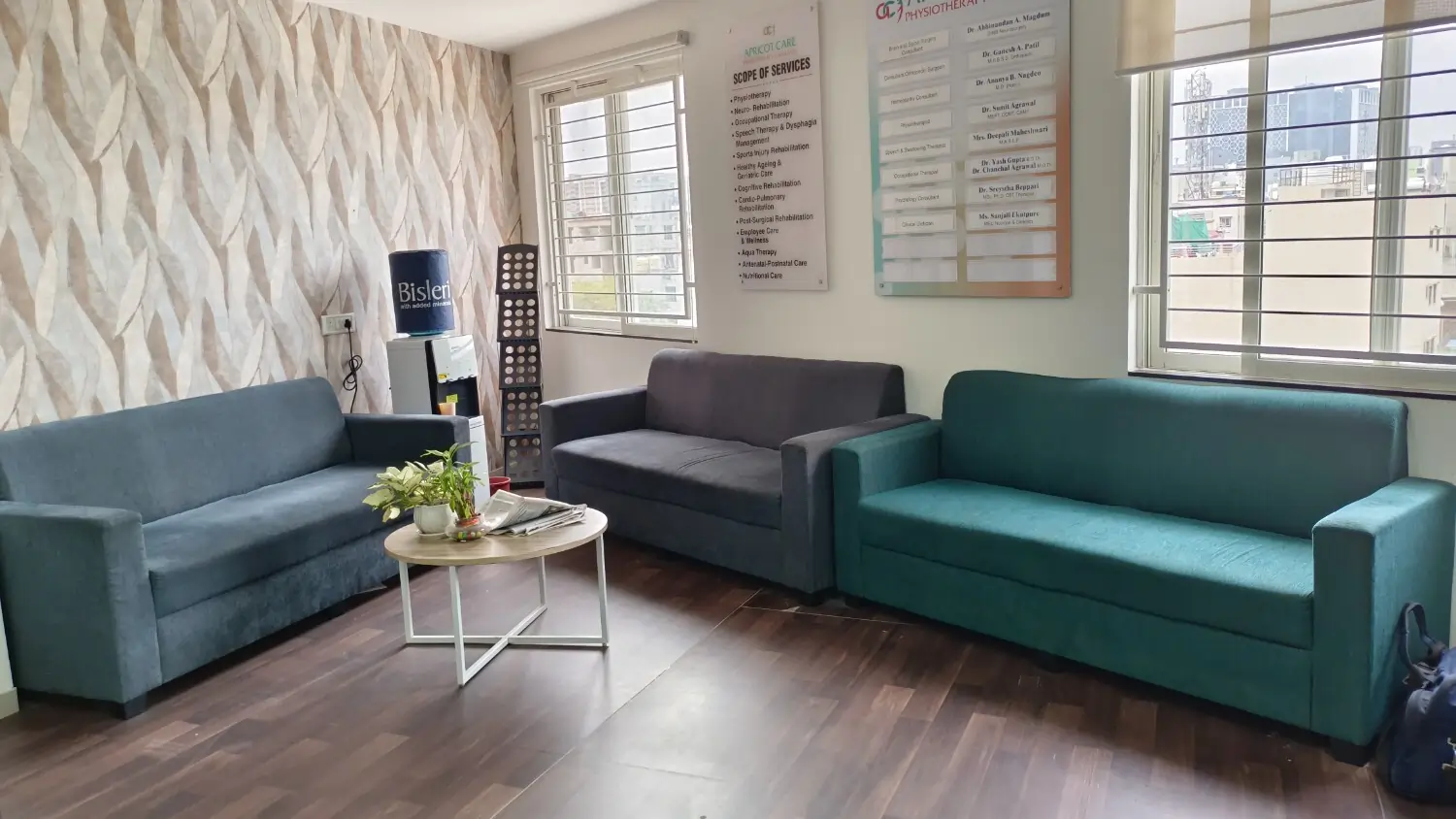
Apricot Care Assisted Living & Rehabilitation provides personalised physiotherapy for people managing pain, recovering after surgery or a fracture, or improving movement affected by a neurological condition. Visit our Kharadi centre, or ask whether home physiotherapy is suitable for you.

our service
Our Comprehensive Care and Support Services
24/7 Nursing and Medical Supervision
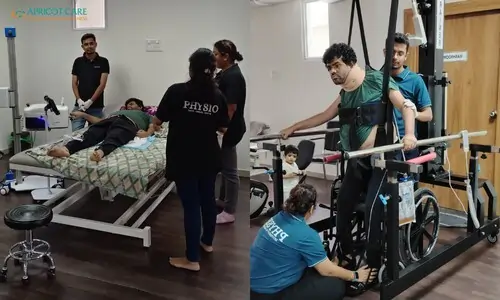
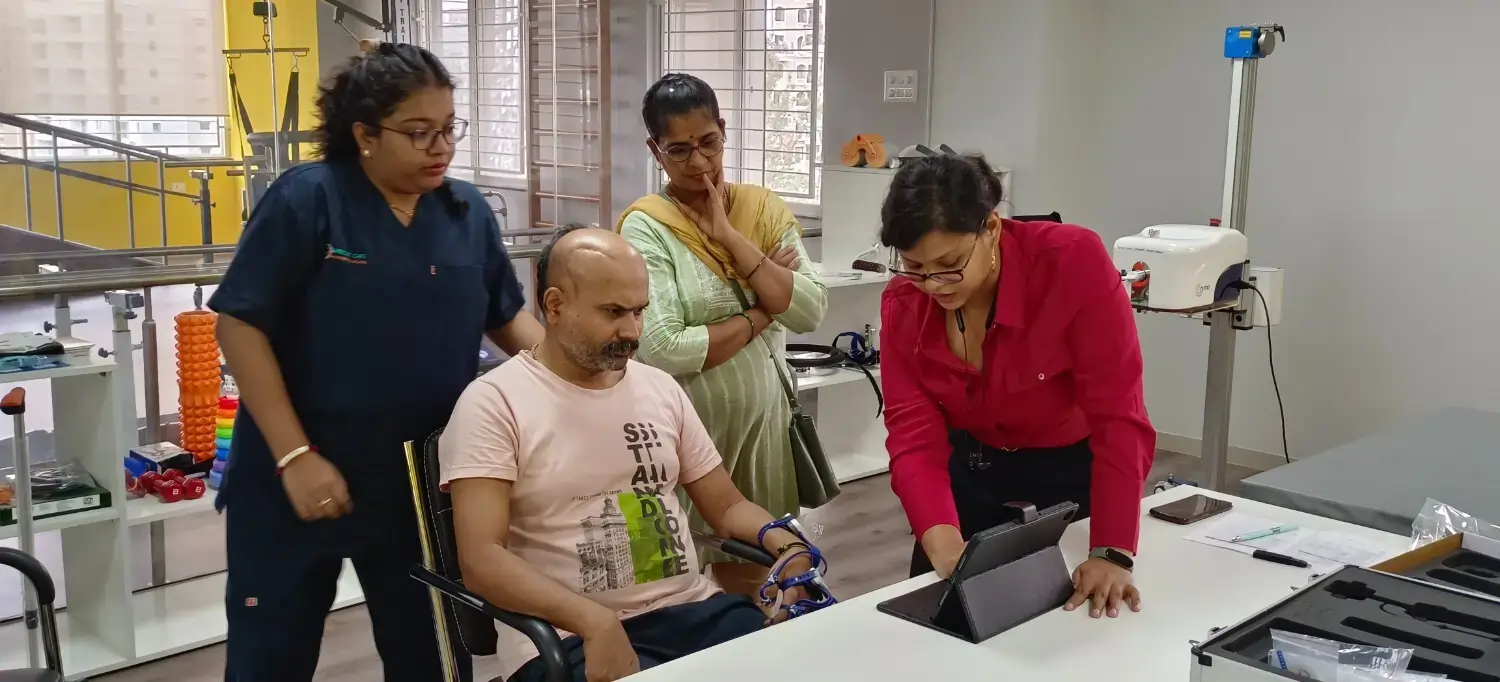
At Apricot Care Assisted Living and Rehabilitation, we provide 24/7 nursing support to ensure that you receive continuous care and medical monitoring. Whether you're staying in our facility or recovering at home, our trained nurses and medical staff are always available to address your needs, ensuring a safe and secure environment throughout your recovery journey.
Why Apricot Care Assisted Living and Rehabilitation Offers a Higher Standard of Physiotherapy in Pune
Dedicated One-on-One Sessions
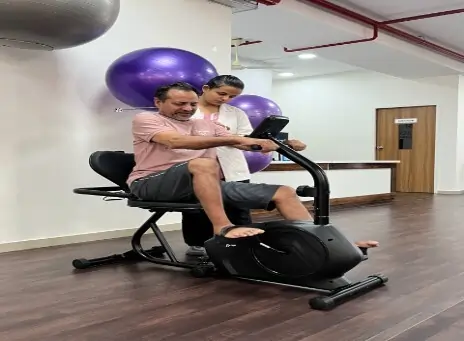
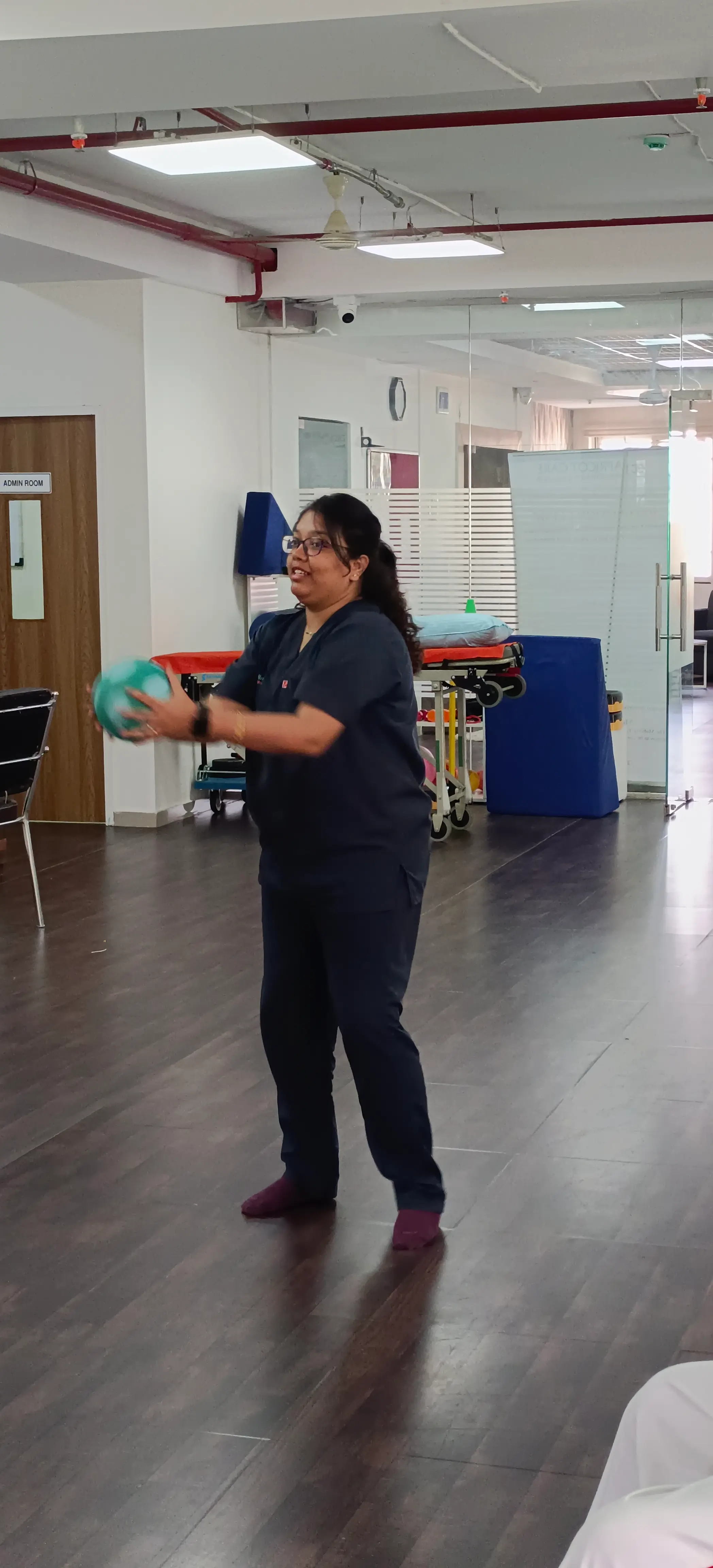
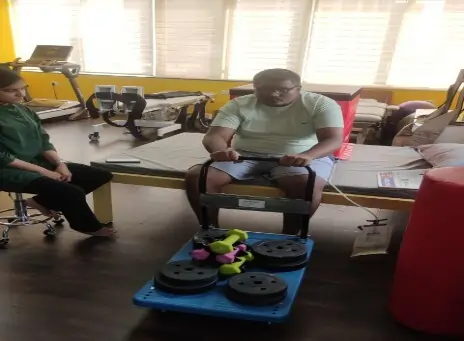
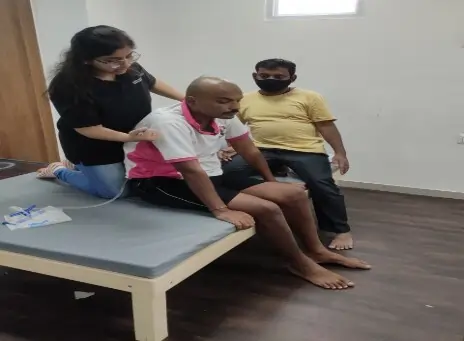
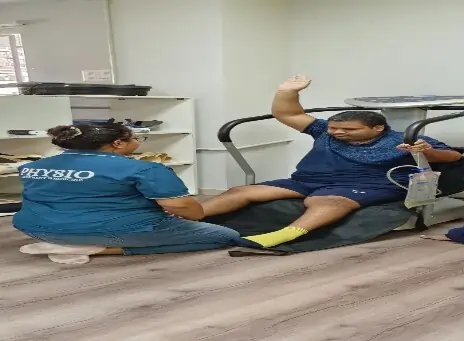
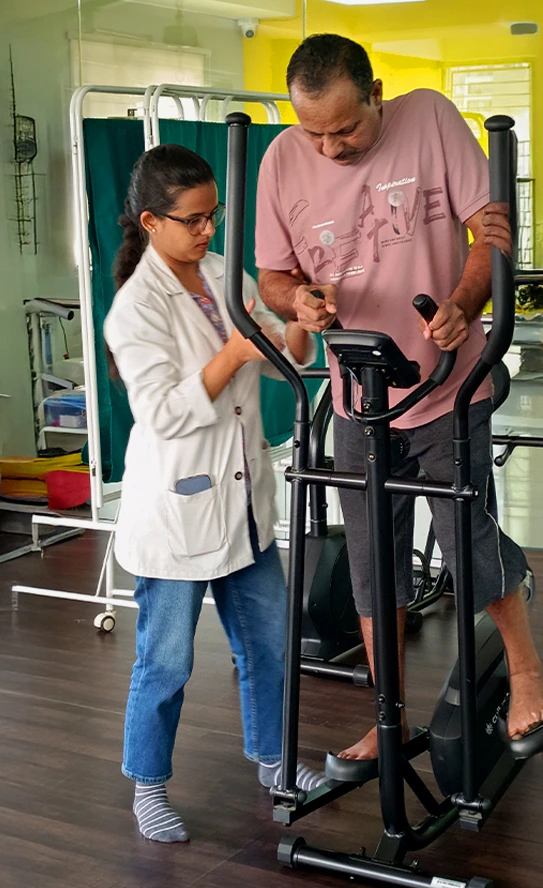
You get the full, undivided attention of your therapist for your entire appointment. We do not use assistants or leave you alone with a machine. This ensures the highest quality of care and the best results.
A Focus on Manual, Hands-On Therapy
We believe that the therapist's skilled hands are their most important tool for diagnosis and treatment.
Specialist, Highly Trained Physiotherapists
Our center is built on a foundation of expertise. We employ Physiotherapists with advanced training and specialization in key areas like neurology and orthopedics.
A Commitment to Patient Education
Our goal is to make you independent. We empower you with a deep understanding of your condition and the tools to manage your own health for a lifetime.
A Holistic, Integrated Approach
We understand that your lifestyle, work ergonomics, and overall well-being impact your physical health. We look at the whole picture to create a truly comprehensive recovery plan.






.webp)



.webp)