Robotic Arm Therapy for Faster Recovery: The Future of Stroke & Orthopaedic Rehab

Apricot Care
Ravi, a 58-year-old retired banker in Pune, never imagined how quickly life could change. One morning, he woke up with a strange numbness in his right hand. Within hours, he was in the hospital with a confirmed stroke. After the emergency passed, his daughter Priya found herself navigating an unfamiliar world of physiotherapy, slow gains, and emotional strain.
The basic things Ravi once did with ease holding a pen, eating a meal, reaching for a book were suddenly out of reach. Regular therapy helped, but progress felt slow and frustrating.
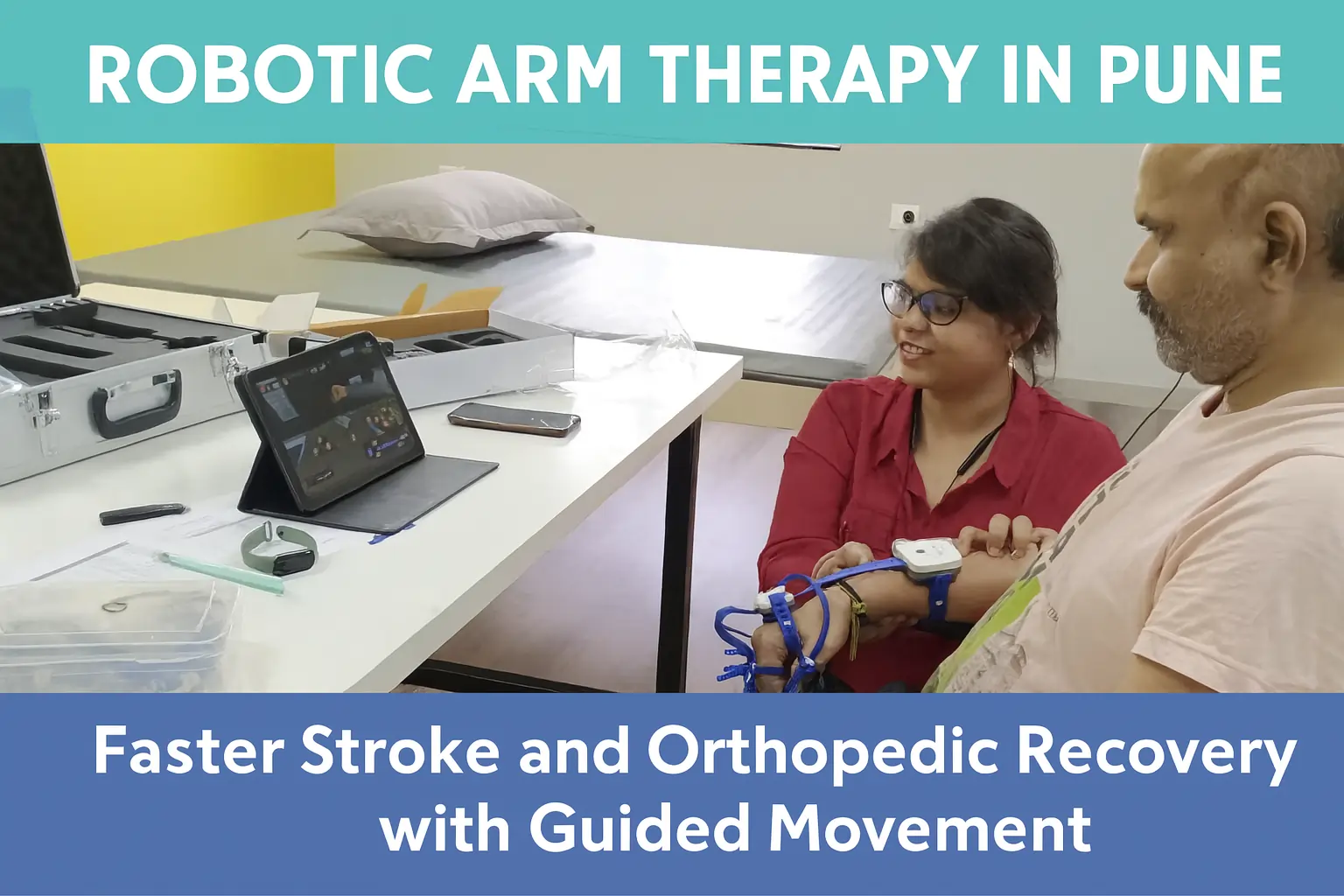
Then, a physiotherapist at their local neuro rehabilitation centre in Pune introduced something new: Robotic Arm Therapy. At first, Priya hesitated. Could a machine really help her father recover? But within two weeks, Ravi was smiling again. Not just because he was healing but because he could see his movement improve, track it in real time, and finally feel a sense of progress.
This is the power of Robotic Arm Therapy. And this blog will show you how it works, who it's for, and why it’s transforming recovery for stroke and orthopedic patients across India.
What Is Robotic Arm Therapy?
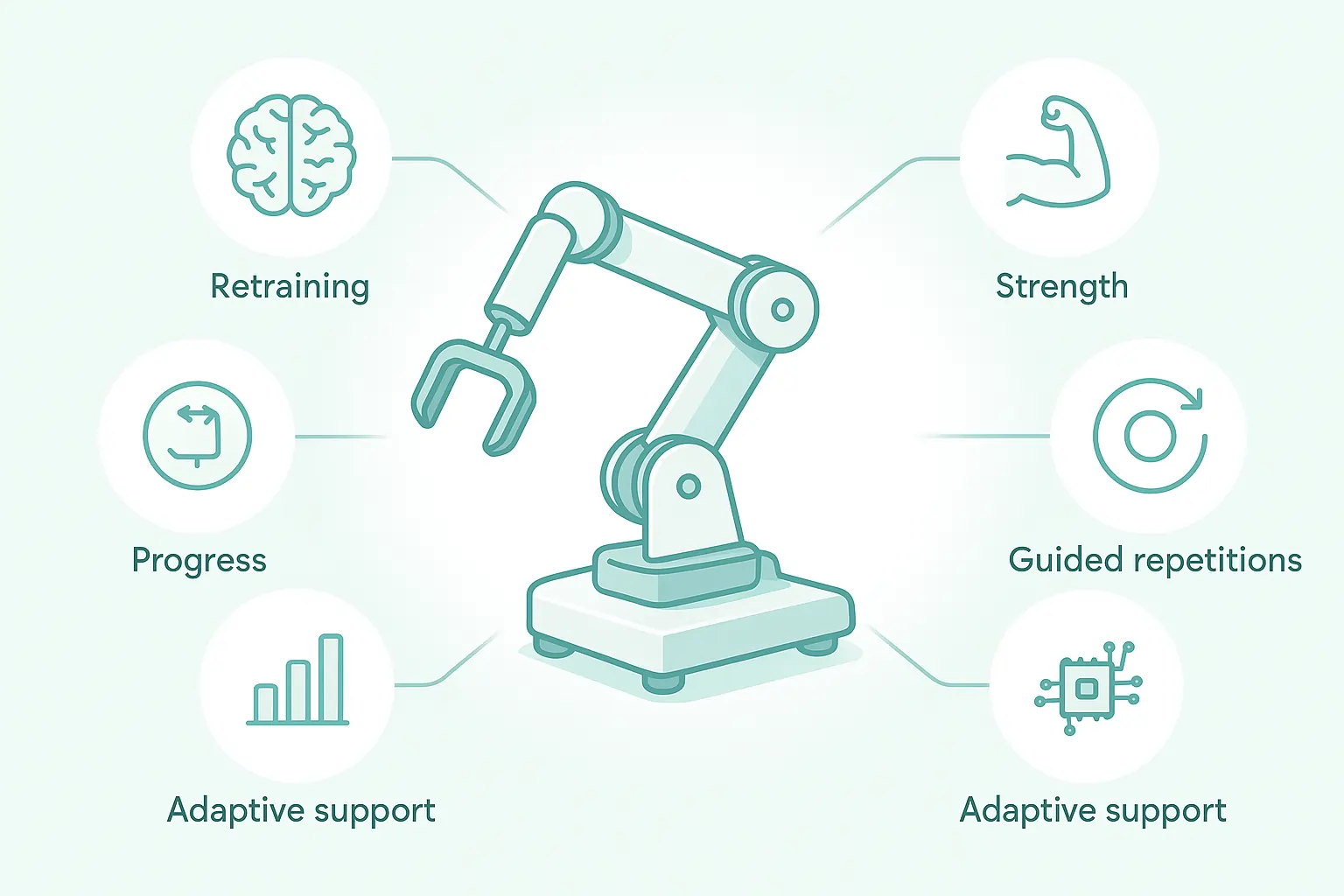
Robotic Arm Therapy is a form of physical rehabilitation that uses smart machines to assist or resist arm movements during recovery. These devices help patients perform repetitive, controlled movements that retrain the brain and muscles after an injury or surgery.
It’s not just a machine moving your arm. It’s a tool that tracks progress, gives feedback, and adapts to your strength. Think of it as having a personal coach that never tires and knows exactly how much help you need.
Why It Works: How Your Brain and Body Heal Together
1. Neuroplasticity: The Brain's Superpower
After a stroke or nerve injury, your brain loses some control over your muscles. But here’s what most people don’t realize: the brain can rewire itself. This process is called neuroplasticity.
The more you practice a movement, the more your brain builds new pathways to make that motion happen again. Robotic therapy enables hundreds or even thousands of these repetitions far more than traditional therapy sessions allow speeding up the relearning process.
Quick Fact: A study published in Neurorehabilitation and Neural Repair found that patients using robotic arm therapy after a stroke showed significantly greater improvement in motor function than those in standard rehab programs.
2. Muscle Memory Meets Precision
In orthopedic rehab like after a shoulder fracture or surgery getting movement right matters. Bad form leads to bad habits. Robotic devices guide patients through precise, safe ranges of motion that build proper muscle memory.
This is especially helpful when joint movement is limited or painful. The robot supports your limb, removes strain, and allows for smoother motion, improving flexibility and reducing stiffness.
Robotic Therapy vs. Traditional Physiotherapy: What's the Difference?
Let’s break it down.
| Feature | Traditional Therapy | Robotic Arm Therapy |
|---|---|---|
| Repetitions per session | 20–30 | 200–1000+ |
| Feedback | Therapist observes | Real-time data on screen |
| Fatigue limit | Therapist-dependent | Machine never tires |
| Precision | Varies by therapist | Consistent & calibrated |
| Motivation tools | Encouragement | Game-like exercises |
| Progress tracking | Subjective notes | Visual dashboards |
Here's the surprising truth: Robotic therapy isn’t about replacing your therapist, it's about supercharging their ability to help you recover. The human still makes the plan. The machine just delivers it at high intensity and with perfect accuracy.
What a Session Actually Feels Like
If you're imagining cold steel and discomfort, think again. Most patients describe robotic arm therapy as gentle and supportive. The robot doesn't force movements. Instead, it adapts to what you can do.
Step-by-Step Breakdown:
- Assessment: Your
therapist sets up the machine based on your condition and
goals.
- Calibration: The
robot measures your range of motion and strength.
- Guided Movement:
You perform tasks (like reaching forward or lifting) with robotic
support.
- Feedback: You see
progress in real time, on-screen or through scores.
- Cool-down: Your
therapist reviews your data and sets your next goal.
Some systems even turn the therapy into a game. You might reach out to catch falling fruit or guide a virtual hand through a maze. It's not just fun, it’s proven to improve patient motivation and consistency.
Who Can Benefit the Most?
Robotic Arm Therapy is ideal for:
- Stroke Survivors:
Especially in the first 3–6 months when neuroplasticity is
strongest.
- Spinal Cord Injury
Patients: To rebuild upper-body control.
- Orthopedic Rehab:
After fractures, surgeries, or frozen shoulder.
- Neuromuscular
Disorders: Like multiple sclerosis or motor neuron
disease.
- Elderly Patients: Who need gentle, fatigue-free rehab.
Important Note: Robotic therapy is safe for seniors. Machines are designed to adjust to your strength, balance, and speed in real time. Many patients over 60 say it's the first rehab tool that “understands their limits.”
Emotional Roadblocks and How to Overcome Them
The Fear Is Real, But So Is the Relief
Many patients are unsure when they first hear about robotic therapy. Older adults might imagine cold machines or feel overwhelmed by the idea of “technology in healing.” It’s completely normal to feel hesitant. But what most people don’t realize is that the fear usually disappears within the first session.
Here’s why:
- The machines are gentle and
quiet
- Movements are smooth, not
jerky
- Therapists are always beside the
patient
- There’s no pressure to
“perform”
- Real progress is visible, which
builds confidence
One patient at our center said, “I thought it would be cold and robotic, but it felt like someone was helping me with a steady hand.” That’s exactly what it should feel like, supportive, not scary.
How Families Make a Difference in Recovery
At Apricot Care, we see recovery as a team effort. Patients need encouragement and consistency, but they also need emotional strength. That often comes from their families.
Here’s how loved ones can support robotic therapy:
- Join the first few sessions to
build trust
- Help follow home exercise
routines
- Ask questions and stay involved in
progress reviews
- Motivate the patient to keep
going
- Celebrate even the smallest
gains
We regularly involve families in goal-setting and updates. It gives everyone a shared mission and improves long-term results.
Let's Talk Honestly About Cost and Access
Some people think advanced therapy must be out of reach. But here’s the truth: robotic therapy is becoming more affordable and accessible in India, especially in cities like Pune.
At Apricot Care, we offer flexible therapy plans. Session costs depend on the equipment and duration, but many insurance policies now offer coverage for neuro rehabilitation. Our team helps with insurance paperwork and financing options when needed.
We also guide patients toward combining robotic sessions with home-based exercises to stay cost-effective. The goal is always the same: real results without unnecessary stress on the family.
Real Stories from Real People in Pune
Ajay’s Shoulder Injury
Ajay, a 42-year-old software engineer, suffered a bad shoulder injury in a road accident. After surgery, traditional therapy helped him regain basic movement, but his range was limited. Once he began robotic arm therapy, things changed quickly.
The robot helped him practice movements 500 times per session. His shoulder became more flexible, and he regained the strength to cook and even play cricket again. He said, “It felt like I was getting more control each week, and that kept me going.”
Lakshmi’s Stroke Recovery
Lakshmi, age 67, had a mild stroke. Her right hand was weak, and she struggled to write or hold a glass. She was nervous about using machines, but her daughter convinced her to try robotic therapy.
Today, Lakshmi writes short grocery lists on her own. She can stir tea and hold her phone. “I feel like I got a part of my life back,” she told us.
These stories are not rare. We see them every month at our neuro rehabilitation centre in Pune.
Why Apricot Care Is Different
While many clinics offer therapy, few combine modern technology with warm, personalized care. Here’s what makes Apricot Care special:
- Expert physiotherapists trained in
robotic rehabilitation
- Clear progress tracking shared
with families
- Comfortable, quiet environment
that feels like home
- Custom care plans based on your
unique needs
- Transparent pricing and insurance
support
- Emotional care alongside physical
therapy
We believe healing is not just about movement. It’s about restoring confidence, dignity, and independence.
Final Takeaways
- Robotic Arm Therapy speeds up
recovery after strokes and injuries
- It supports natural brain learning
through repetition
- The machines adapt to your needs
and offer real-time feedback
- Sessions feel safe, motivating,
and effective
- Family support plays a big role in
success
- It’s available right here in Pune, at Apricot Care
Are You Ready to Take the First Step?
You don’t need to travel far or wait for a miracle. The tools to rebuild your movement are already here. And you’re not alone. At Apricot Care Assisted Living and Rehabilitation, we’re here to walk with you through every small step until your big steps return.
What’s one small step you can take today toward a stronger tomorrow?
FAQs
1. What is Robotic Arm Therapy?
Robotic Arm Therapy uses smart machines to guide arm movements and help the brain relearn control after injury or surgery.
2. Who can benefit from Robotic Arm Therapy?
It is mainly helpful for stroke survivors, orthopedic patients, and people with nerve or muscle weakness who need upper limb recovery.
3. Is Robotic Arm Therapy safe for seniors?
Yes, the therapy adjusts to each person’s strength and speed, making it safe for elderly patients.
4. How does Robotic Arm Therapy improve recovery?
It allows many correct repetitions and gives real-time feedback to speed up neuroplasticity and muscle learning.
5. Does Robotic Arm Therapy replace physiotherapy?
No, it works together with physiotherapy and makes the treatment more effective.
6. How long is a typical therapy session?
Sessions usually last 30 to 60 minutes depending on the patient’s strength and comfort.
7. What conditions does Robotic Arm Therapy treat?
It supports recovery from stroke, fractures, shoulder injuries, spinal problems, and other neuro or muscle issues.
8. Is Robotic Arm Therapy painful?
No, the robot never forces the movement and always stays within a safe and comfortable range.
9. How soon can I start robotic therapy after a stroke or surgery?
Patients usually start when their doctor or therapist confirms they are stable and ready for active rehabilitation.
10. Where can I find Robotic Arm Therapy in Pune?
You can get this treatment at advanced neuro rehabilitation centers and specialized physiotherapy clinics in Pune, including Apricot Care.
.webp)