Stage-Appropriate Shoulder Rehabilitation

Frozen Shoulder Treatment in Pune with Physiotherapy

Frozen shoulder can make ordinary tasks such as dressing, combing your hair, reaching a shelf, fastening clothing behind your back or sleeping on the affected side difficult. Apricot Care provides staged frozen shoulder treatment in Pune from its Kharadi clinic. Physiotherapy in Pune aims to help manage pain, preserve or improve movement and rebuild shoulder function without forcing the joint beyond what the current stage can tolerate.

A proper assessment is important because not every stiff, painful shoulder is frozen shoulder. Rotator cuff problems, arthritis, neck-related pain, injury and other conditions can produce similar symptoms. Your physiotherapist will examine the movement pattern, screen for other causes and recommend medical or orthopaedic review when needed.

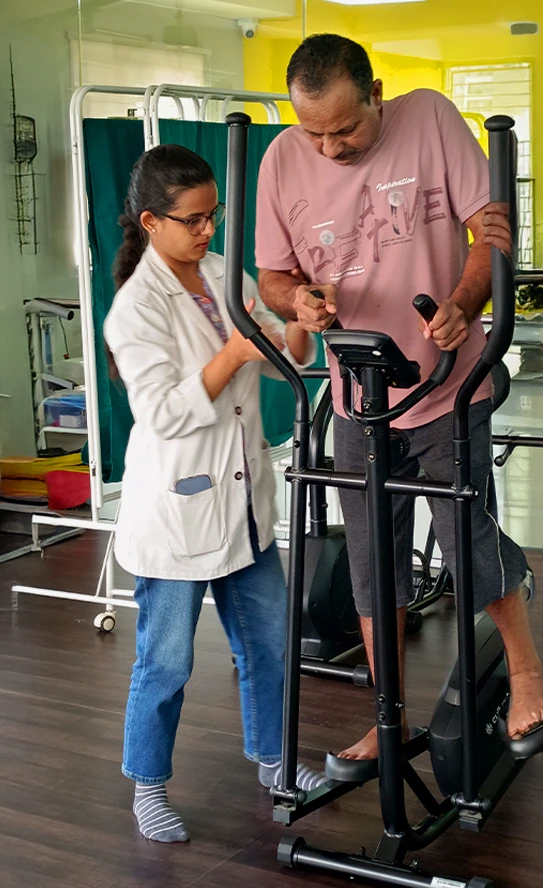
Frozen shoulder physiotherapy treatment at Apricot Care Pune

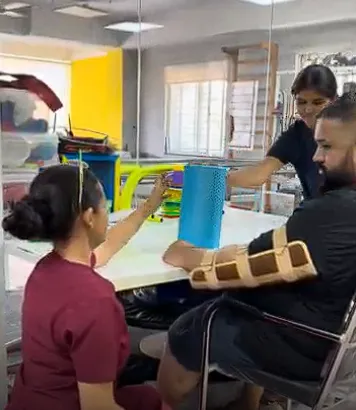
Rehabilitation Matched to the Stage

Treatment intensity is adjusted according to pain irritability, stiffness, movement and functional goals.

One-to-One Assessment

Pain, active and passive movement, health history and daily limitations are reviewed.

Stage-Based Exercise

Mobility and strengthening are progressed without forcing a highly irritable shoulder.

Clinic and Home Options

Kharadi clinic care with selected Pune home physiotherapy support.

Understanding the Condition

What Is Frozen Shoulder?

Frozen shoulder, also called adhesive capsulitis, is characterised by pain and a marked loss of shoulder movement. A typical finding is restriction when you move the arm yourself and when a clinician moves it for you, often with external rotation particularly limited. The condition can begin without a clear injury or follow surgery, trauma or a period of immobilisation.

People often describe a gradual progression from pain to stiffness, followed by slow improvement. These phases are useful for understanding the condition but do not follow an identical timetable in every person. Treatment should be based on current irritability, movement and function rather than a label alone.

Symptoms and Associated Factors

Symptoms That May Suggest Frozen Shoulder

Pain and Progressive Movement Restriction

Symptoms may include deep shoulder pain, severe night pain, difficulty lying on the affected side and progressive restriction in reaching overhead or behind the back. Dressing, bathing, driving and household work may become difficult. Some people compensate by moving the shoulder blade or trunk because the joint itself is stiff.

A sudden traumatic onset, major weakness, numbness, neck-dominant pain or a shoulder that moves normally when assisted may suggest another diagnosis. That is why a page or exercise video cannot confirm frozen shoulder for an individual. Learn more about shoulder pain physiotherapy treatment.

Risk Factors and Associated Health Conditions

Frozen shoulder is more common in midlife and has an association with diabetes and thyroid disorders. It may also occur after shoulder surgery, fracture, stroke or a period when the arm has not moved normally. Having a risk factor does not confirm the diagnosis, and people without these factors can also develop the condition.

Tell your physiotherapist about diabetes control, thyroid treatment, previous surgery, trauma and other medical problems. Coordination with your doctor may be useful, especially when symptoms are severe, the diagnosis is uncertain or underlying health conditions need review.

When Shoulder Stiffness Needs Prompt Medical Review

Seek prompt medical care after significant trauma, suspected fracture or dislocation, or sudden loss of strength. A hot, red and swollen joint with fever can indicate infection. Chest pain, breathlessness, sweating or pain spreading to the jaw or arm is a medical emergency. Progressive numbness, weakness, unexplained weight loss or severe unrelenting pain also needs medical assessment.

Your First Visit

How Frozen Shoulder Is Assessed

The physiotherapist reviews the onset, night pain, movement loss, medical history, diabetes or thyroid conditions, previous injury, surgery and scans. The examination compares active and passive movement, commonly including elevation, rotation and reaching behind the back. Strength, neck movement and upper-limb sensation may be assessed to screen for other causes.

Imaging is not always required to identify a typical clinical pattern, but an X-ray, ultrasound or MRI may be recommended when trauma, arthritis, a significant tear or another diagnosis is suspected. The assessment should end with an explanation of the likely stage, realistic goals and a plan for monitoring progress.

01

Symptom and Health Review

Onset, night pain, diabetes, thyroid conditions, previous injury, surgery and scans.

02

Active and Passive Movement

Elevation, rotation and reaching behind the back are compared carefully.

03

Screening Other Causes

Strength, neck movement and upper-limb sensation are checked when relevant.

04

Stage and Recovery Plan

The findings, likely stage, realistic goals and monitoring plan are explained.

Visit Apricot Care

Visit Our Clinic for Frozen Shoulder Treatment in Kharadi, Pune

Visit Apricot Care in Kharadi for physiotherapy assessment and rehabilitation for frozen shoulder, painful shoulder stiffness and restricted arm movement. Our team creates treatment plans based on your symptoms, movement limitations, health history and stage of recovery.

Opening hours Monday to Sunday, 8:00 am to 8:00 pm
Stage-Appropriate Rehabilitation

Physiotherapy Services for Frozen Shoulder in Pune

Rehabilitation is adjusted to pain irritability and stage. Aggressive stretching is not automatically better and can cause a prolonged flare-up in a highly painful shoulder. The programme should balance comfort, movement and gradual loading.

Pain-Dominant or Highly Irritable Stage

Early care may focus on education, sleep positioning, pacing, gentle movement within tolerance and maintaining use of the hand, wrist and elbow. Short, frequent mobility work may be more manageable than forceful sessions. Medical review may be discussed when night pain is severe or pain control is inadequate.

Stiffness-Dominant Stage

As irritability reduces, the plan may progress shoulder mobility, assisted movement and stretching with carefully chosen intensity and duration. Manual joint techniques can be considered as an adjunct. Progress is judged by function and movement over time, not by how hard the shoulder is pushed in one appointment.

Recovery and Strengthening Stage

When movement begins to return, rehabilitation adds rotator cuff and shoulder-blade strength, lifting tolerance and task-specific practice. Exercises may progress toward reaching, carrying, household work, gym training or sport. The unaffected side, neck and upper back may also need attention after months of compensation.

Home Exercise for Frozen Shoulder

A home programme is important, but more exercise is not always better. Your physiotherapist should demonstrate each movement, set a tolerable dose and explain how to respond to a flare-up. Mild short-term discomfort may be acceptable, while severe pain that remains elevated for hours or disrupts the next night may mean the programme is too aggressive.

Online exercise lists cannot account for stage, diabetes, previous surgery or another shoulder diagnosis. Use them only after a clinician has confirmed that the exercise suits your presentation.

How Long Does Frozen Shoulder Treatment Take?

Frozen shoulder often improves slowly, and recovery can take many months. The course varies, so fixed promises such as complete relief in a few sessions are not credible. Early progress may mean better sleep, easier dressing or a small improvement in reach before full movement returns.

If progress remains very limited, the physiotherapist may recommend review by an orthopaedic care provider in Pune or a pain management clinic in Pune. Medical options can include medication or injection for selected patients, while surgery is generally considered only in specific cases. The treating doctor should discuss benefits, risks and suitability.

Why Choose Apricot Care for Frozen Shoulder Treatment in Pune

Apricot Care provides one-to-one physiotherapy assessment at its Kharadi centre. The service should document pain, movement and functional goals, adjust exercise to irritability and communicate with your doctor when medical support is needed. Ask to see the treating physiotherapist's qualifications, registration and experience with frozen shoulder.

Home physiotherapy in Pune may be considered when travel is difficult, while clinic sessions can support hands-on assessment and progressive strengthening. Apricot Care should not promise a standard session count or complete recovery by a fixed date. The plan should be reviewed according to measurable change and your ability to manage independently.

Kharadi and East Pune

Frozen Shoulder Treatment Near Kharadi and Nearby Pune Areas

The clinic is in Thite Nagar, Kharadi, with access from Chandan Nagar, Viman Nagar, Wadgaon Sheri, Wagholi, Kalyani Nagar, Magarpatta, Hadapsar and East Pune. When comparing frozen shoulder treatment near me options, look for stage-appropriate exercise, medical referral pathways, verified clinician credentials and honest discussion of recovery time. Learn more about frozen shoulder physiotherapy in Kharadi.

Get Directions
Book appointment
Your Road to Recovery

Book a Frozen Shoulder Assessment

Stage-Appropriate Clinic Care

Assessment, movement guidance and strengthening matched to pain and stiffness.

Selected Home-Care Support

Home physiotherapy may be considered when travelling is difficult.

Frozen shoulder physiotherapy appointment at Apricot Care
Common Questions

Frequently Asked Questions About Frozen Shoulder

Frozen shoulder usually causes persistent shoulder pain and progressive stiffness. People may find it difficult to lift the arm, reach overhead, dress, comb their hair or place the hand behind the back. A clinical assessment is needed because other shoulder conditions can cause similar symptoms.

Exercises should generally be gentle and appropriate for the current stage of the condition. Mild stretching discomfort may occur, but forceful or strenuous exercises can aggravate symptoms, particularly during the painful stage. Follow the programme prescribed by your physiotherapist.

At Apricot Care, the physiotherapist reviews pain, shoulder movement, health history and activities affected by stiffness. The treatment plan is then adapted to the individual’s symptoms and stage of recovery rather than using aggressive exercises for every patient.

Yes. Physiotherapy can help improve shoulder movement and function through appropriate stretching, strengthening, posture advice and activity guidance. The programme should be adjusted according to how painful and stiff the shoulder is.

Recovery is usually gradual and varies considerably between individuals. The timeline depends on symptom severity, the stage of the condition, associated health conditions and response to treatment. Avoid clinics that promise complete recovery within a fixed number of sessions.

Apricot Care provides physiotherapy at its Kharadi clinic in Pune. Home physiotherapy may also be available for people who cannot travel comfortably, subject to the patient’s location and clinical requirements.

WhatsApp Call