


Pain that travels from the lower back or buttock into the leg can make sitting, walking, driving, and sleeping difficult. Sciatica exercises may help many people, but the right movement depends on what is driving the symptoms, how severe they are, and whether there is tingling, numbness, or weakness.
A common mistake is copying a generic sciatica stretch online and pushing through pain. Sciatica is not the same for everyone. A movement that eases one person's symptoms may worsen another person's leg pain. A safer starting point is to understand your symptoms, stay gently active within tolerance, and seek an assessment if pain is persistent, recurring, or affecting everyday life.
Apricot Care offers a personalised sciatica physiotherapy assessment in Pune to guide exercise, activity modification, and a gradual return to work, walking, travel, or sport.
What Is Sciatica Pain and Where Does It Happen?
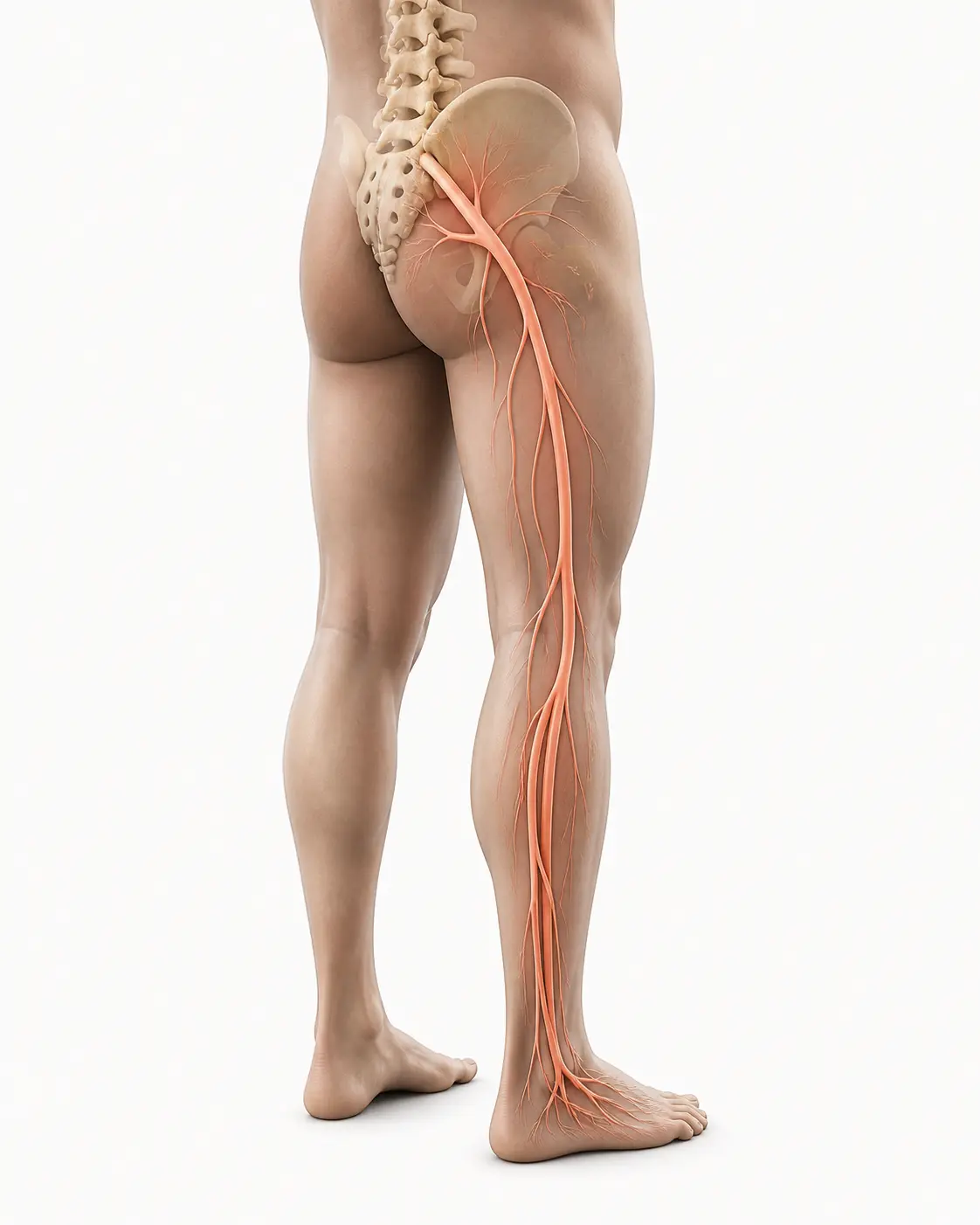
Sciatica describes a pattern of symptoms related to irritation or compression of nerves that travel from the lower back into the leg. It is not simply normal back pain.
Sciatica pain often starts in the lower back or buttock and may travel down one leg into the thigh, calf, ankle, or foot. It can feel sharp, burning, electric, aching, or shooting. Some people also notice tingling, numbness, or weakness.
If you are wondering, 'sciatica pain kaha hota hai?', it commonly affects the lower back, buttock, and one side of the leg. Back pain alone does not always mean sciatica; the pattern of leg symptoms matters too.
Symptoms may become more noticeable with prolonged sitting, driving, bending, lifting, coughing, or sudden changes in activity. If your main concern is back pain with or without leg symptoms, explore back pain physiotherapy in Pune.
Sciatica Exercises: Why the Right Movement Matters
The aim of sciatica exercises is not to push through pain. It is to help you stay mobile, gradually improve confidence in movement, and rebuild strength for normal activities. The type, intensity, and progression of exercise should reflect your symptoms, health history, and functional goals.
A useful rule is that an exercise should not create marked or lasting worsening of pain, new numbness, weakness, or symptoms that spread further down the leg.
Gentle walking
Short, frequent walks are often easier to tolerate than staying in one position for hours. Start with a manageable distance and build gradually. If walking sharply increases leg pain or weakness, stop and seek professional advice.

Comfortable spinal movement
Some people feel better with gentle backward movements, while others tolerate bending or supported mobility better. This is why one 'best exercise for sciatica' does not exist. A physiotherapist can identify which direction of movement is appropriate for you.

Hip and trunk strengthening
As pain settles, rehabilitation may include controlled exercises for the hips, abdominal muscles, and legs. These are selected to improve capacity for tasks such as sitting, climbing stairs, lifting, and returning to the gym.

Nerve-mobility exercises
A therapist may use gentle nerve-gliding movements when appropriate. These are not aggressive stretches. They should be controlled, comfortable, and adjusted if symptoms worsen.
For people searching for sciatica exercises for back pain, remember that the goal is not only temporary relief. A good programme should help you return gradually to the activities that matter to you.
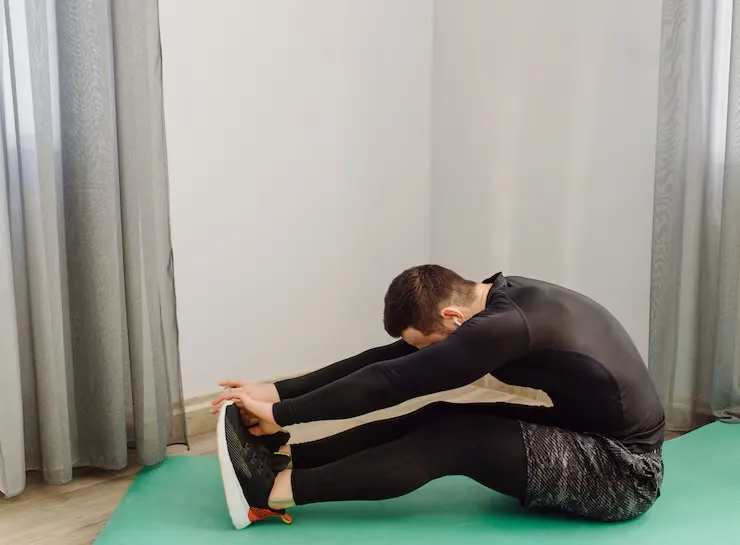
Sciatica Pain Exercises to Avoid During a Flare-Up
There is no permanent banned-exercise list for every person with sciatica. During an irritable flare-up, however, it is sensible to avoid or modify movements that reliably increase radiating leg pain, numbness, or weakness.
- Aggressive hamstring stretching that pulls sharply down the leg
- Heavy lifting, especially with repeated bending and twisting
- High-impact jumping, sprinting, or running during acute symptoms
- Deep forward bends or loaded gym movements that reproduce leg pain
- Yoga poses that force a stretch despite worsening symptoms
- Any exercise that makes pain travel farther down the leg or remain worse afterwards
Avoiding a painful movement temporarily does not mean avoiding it forever. The aim of rehabilitation is usually to reintroduce movement and load gradually, with better control and confidence.
Can Massage or Yoga Give Sciatica Pain Relief?
Massage may help some people feel temporary relief from muscle tension around the lower back, hip, or buttock. However, sciatica pain relief massage should not be treated as a standalone cure or as a way to force a nerve back into place.
Manual therapy, including soft-tissue work or massage, may be considered as part of a broader plan that includes exercise and self-management - not as a replacement for them.
Similarly, sciatica exercises yoga can be useful for some people when movements are gentle and individually modified. But a yoga pose is not automatically safe because it is labelled as good for sciatica. Stop if a pose increases leg pain, tingling, or numbness.

Sciatica Pain During Pregnancy and During Periods
Sciatic-type pain can occur during pregnancy because of changes in posture, body weight, muscle support, and pelvic loading. However, new or significant leg pain in pregnancy should not be self-diagnosed online.
For sciatica pain during pregnancy or sciatica exercises for pregnant women, first speak with your obstetrician or maternity-care provider. Once other causes are ruled out, they may recommend physiotherapy or rehabilitation support. A pregnancy-aware physiotherapist can suggest appropriate positions, walking plans, and gentle exercises based on your stage of pregnancy and medical history.
If pain appears mainly during your period, especially if it is linked with pelvic pain, abnormal bleeding, or symptoms that repeat with each menstrual cycle, do not assume it is sciatica. A gynaecological assessment may be appropriate.
Simple Everyday Habits That May Help
- Change position regularly instead of sitting for long, unbroken periods.
- Use short walks or gentle movement breaks during work and travel.
- Learn safer ways to bend, lift, and get in and out of a car.
- Adjust your workstation so you are not twisting or reaching repeatedly.
- Pace household work rather than doing all lifting, cleaning, or gardening at once.
- Keep a note of which activities ease symptoms and which aggravate them.
A flare-up does not always mean new damage. But persistent or worsening symptoms deserve reassessment rather than repeated self-treatment.
When Should You See a Physiotherapist for Sciatica?
Consider a physiotherapy assessment if pain is affecting sleep, walking, sitting, driving, work, exercise, or confidence in movement. You should also seek advice when symptoms keep returning or when you are unsure whether the pain is actually sciatica.
A thorough assessment may include discussion of your symptom pattern, movement and walking assessment, screening of strength and sensation where indicated, and a personalised home-exercise and activity plan.
Related support is available through Apricot Care's orthopedic physiotherapy service. For patients who cannot safely travel to the clinic, home physiotherapy in Pune may be considered where clinically appropriate.
Urgent Warning Signs: Do Not Rely on Exercises Alone
Seek urgent medical care immediately if you have sciatica symptoms along with:
- New difficulty controlling urine or bowel movements
- Numbness around the genitals, buttocks, or inner thighs
- Severe or worsening weakness or numbness in both legs
- Sciatica affecting both sides with rapidly worsening symptoms
These can be signs of a serious spinal problem requiring urgent assessment.
Conclusion: Get a Plan That Matches Your Symptoms
Sciatica exercises can be an important part of recovery, but the best plan is not the most intense one - it is the one that matches your symptoms, strength, daily routine, and goals. Avoid copying aggressive online routines, especially if pain is spreading down the leg or you notice numbness or weakness.
If sciatica pain is affecting your work, sleep, mobility, or confidence, book a personalised assessment with Apricot Care in Kharadi, Pune.
FAQs About Sciatica Exercises
Can sciatica exercises really help?
They may help many people when exercises are matched to their symptoms and progressed gradually. The right programme can support mobility, strength, and return to daily activities, but not every exercise suits every person.
Which sciatica exercises should I avoid?
Avoid movements that cause sharp or lasting worsening, spreading pain, new numbness, or weakness. During a flare-up, this may include aggressive stretching, heavy lifting, repetitive bending, twisting, and high-impact exercise.
Does massage provide sciatica pain relief?
Massage may temporarily reduce muscle tension for some people, but it should be part of a wider plan that includes appropriate activity guidance and exercise. It is not a substitute for assessment when symptoms are persistent or neurological.
Can I do yoga if I have sciatica?
Possibly, but only if the movements are comfortable and do not increase leg symptoms. Avoid forcing deep stretches. A physiotherapist can advise which movements are appropriate for your current stage of recovery.
What are sciatica pain side effects?
Sciatica is not a medicine, so it does not have side effects. It can, however, be associated with pain, tingling, numbness, or weakness. Medication used for pain can have side effects, so discuss medicines with a qualified doctor.
What is sciatica pain meaning in Hindi and Marathi?
In Hindi, sciatica is commonly described as 'sciatica ka dard' - pain that may travel from the back or hip into the leg. In Marathi, it may be described as 'sciatica vedana' - radiating pain, tingling, or numbness from the lower back into the leg.
Can sciatica pain occur during periods?
It can feel worse around periods for some people, but recurring leg or pelvic pain around menstruation may have causes other than sciatica. Seek medical advice if symptoms are severe, new, or repeat monthly.
Does Apricot Care provide physiotherapy treatment for sciatica?
Yes, Apricot Care provides physiotherapy treatment for sciatica, with personalised exercises and rehabilitation techniques based on the individual’s symptoms, mobility, strength, and recovery needs. A physiotherapist can assess the condition and recommend an appropriate treatment plan to help manage pain and improve movement.
References
- Clinical guidance for assessing and managing low back pain and sciatica
- Patient information on sciatica symptoms, treatment, and urgent warning signs
- Back pain and safe exercise guidance during pregnancy
Important: This article is for education and does not replace a diagnosis or individual medical assessment.
.webp)