Cupping Therapy in Pune by Trained Physiotherapists
Apricot Care offers cupping therapy in Pune as an optional adjunct to
physiotherapy services in Pune
for selected people with muscle tightness or musculoskeletal pain. Cupping is not a
diagnosis, a detox treatment or a replacement for exercise-based rehabilitation. A
qualified physiotherapist should first assess your symptoms, medical history, skin
condition and treatment goals to decide whether it is appropriate.
This page describes dry cupping, where cups create suction on intact skin without incisions
or blood removal. Before publication, Apricot Care should confirm that this matches its
actual service protocol. People seeking wet cupping or hijama should be directed to an
appropriately licensed service with separate infection-control and medical safeguards.
Dry cupping is considered only after screening your symptoms, skin, medical history
and rehabilitation goals.
Physiotherapist Assessment
Symptoms, skin condition, medicines and health risks are reviewed first.
Dry Cupping Only
The page describes suction on intact skin without incisions or blood removal.
Part of Rehabilitation
Cupping supports, but does not replace, movement and exercise-based care.
Understanding the Technique
What Is Dry Cupping Therapy?
Dry cupping uses plastic, silicone or glass cups to create controlled negative pressure on
the skin. Cups may remain in one place for a short period or be moved over an area with a
suitable lubricant. You may feel pulling, pressure or warmth. Temporary circular marks are
common because small blood vessels near the skin can be affected by suction.
The marks do not show that toxins have left the body, and darker marks do not prove that
treatment was more successful. Cupping should be explained in plain language, including
expected sensations, possible side effects, alternatives and the option to stop at any time.
Evidence and Clinical Selection
What the Evidence Says About Cupping for Pain and Tightness
Evidence, Benefits and Realistic Expectations
Research suggests that cupping may help some people with pain in the short term, but the
evidence base is limited and many studies are low quality. It is not possible to promise
that cupping will cure back pain, release scar tissue, remove toxins, speed healing or
prevent injury. Claims should remain proportional to the evidence.
At Apricot Care, cupping should be considered only when it supports a wider physiotherapy
plan. A person may report temporary comfort or easier movement after treatment, but lasting
improvement usually also requires appropriate activity, strength, mobility, load management
and attention to the underlying clinical problem.
When Cupping May Be Considered
After assessment, dry cupping may be considered for local muscle tightness, non-specific
muscular discomfort, post-training soreness or short-term symptom relief during
rehabilitation. It may be used around the back, shoulder, thigh or calf when the skin is
healthy and the physiotherapist judges that the expected benefit outweighs the risks.
Cupping should not be offered simply because a person searches for the best cupping therapy
near me. The therapist should first check whether symptoms suggest a strain, joint problem,
nerve irritation, fracture, infection, vascular issue or another condition requiring a
different approach. Unexplained or severe pain needs diagnosis, not an automatic modality.
Who Should Avoid or Delay Cupping Therapy
Cupping should not be applied over broken skin, active infection, burns, open wounds or
areas with significant skin disease. Extra caution or medical clearance may be needed for
people with bleeding disorders, blood-thinning medication, fragile skin, altered sensation,
severe swelling, vascular disease, recent trauma or other health conditions that increase
bruising or infection risk.
Pregnancy, cancer treatment, recent surgery and complex medical conditions require
individual review. Cupping should not be used over the abdomen or other sensitive areas
without a clinically justified protocol. Tell the physiotherapist about medicines,
allergies, fainting history and previous reactions before the session.
Your Appointment
What Happens During a Cupping Therapy Session
The appointment should begin with consent and a brief reassessment. The physiotherapist
inspects the skin, explains the planned area, cup type, suction level and approximate
duration, then checks comfort throughout. Suction should be adjusted or stopped if you
experience sharp pain, burning, dizziness, numbness or distress.
After the cups are removed, the skin is checked again. The therapist records the
technique and your response, then provides aftercare guidance. A cupping session should
not be marketed as a standard 30- or 40-minute treatment for every person. Duration and
the number of cups depend on the area, technique, tolerance and clinical plan.
01
Consent and Reassessment
The clinician reviews symptoms, skin, medicines and any changes since assessment.
02
Technique Explanation
The planned area, cup type, suction level, sensations and duration are explained.
03
Comfort Monitoring
Suction is adjusted or stopped for sharp pain, burning, dizziness or distress.
04
Skin Check and Aftercare
The response is documented and clear guidance is provided after cup removal.
Visit Apricot Care
Visit Apricot Care for Cupping Therapy in Kharadi, Pune
Cupping therapy at Apricot Care is provided only after an appropriate assessment and may be
used as a supportive technique within a broader physiotherapy plan. Our clinic is located in
Kharadi and is accessible from Viman Nagar, Wadgaon Sheri, Wagholi, Magarpatta and surrounding
areas.
Common effects include temporary circular discoloration, tenderness and mild skin irritation.
Marks may remain for several days and occasionally longer. More serious risks include burns,
infection, persistent skin discoloration and worsening of skin conditions. Reusing equipment
without correct cleaning or using wet cupping without rigorous sterile procedures increases risk.
Expected Temporary Effects
Temporary circular discoloration, tenderness and mild skin irritation can occur. Marks
may remain for several days and occasionally longer.
More Serious Risks
Burns, infection, persistent skin discoloration and worsening of skin conditions are
possible. Correct equipment cleaning and appropriate infection control are essential.
Aftercare at Home
Keep the area clean, avoid scratching and follow the therapist's instructions about
bathing, exercise and skin products.
When to Contact the Clinic
Contact the clinic if pain, swelling, blistering, spreading redness, discharge, fever
or an unexpected reaction develops. Seek medical care when symptoms are severe or
worsening.
Cupping as Part of a Complete Physiotherapy Plan
For
back pain physiotherapy,
shoulder pain physiotherapy
or
sports injury rehabilitation,
the physiotherapist should identify the functional problem first. Cupping may be
followed by movement practice or exercise if it temporarily makes activity more
comfortable. The plan may also include progressive strengthening, mobility, work or
training modification and a home programme.
This approach reduces dependence on repeated passive sessions. If cupping does not
produce a meaningful, measurable benefit, it should be stopped rather than continued
automatically. Your clinician should be able to explain the purpose of the treatment,
what outcome is being monitored and what alternatives are available.
Why Choose Apricot Care for Cupping Therapy in Pune
Cupping at a physiotherapy centre should be delivered by a clinician who understands
anatomy, screening and rehabilitation. Apricot Care's website lists clinical
physiotherapist
Harshada Labade, BPT,
with certification in cupping therapy. Her credentials, professional registration,
certificate details and actual role as page reviewer should be verified and displayed
before publishing this claim.
The service page should also state the cupping technique offered, single-use or
cleaning protocol, consent process, contraindications and what to do after an adverse
reaction. Transparent safety information is a stronger trust signal than exaggerated
claims about detoxification or guaranteed pain relief.
Kharadi and East Pune
Cupping Therapy Near Kharadi and East Pune
Apricot Care is located in Thite Nagar, Kharadi, and serves nearby areas including
Chandan Nagar, Viman Nagar, Wadgaon Sheri, Wagholi, Kalyani Nagar, Magarpatta and
Hadapsar. When comparing cupping therapy near me options, ask who performs the procedure,
which technique is used, how equipment is cleaned, what screening is completed and
whether the provider can refer you when cupping is not appropriate. Learn more about
cupping therapy in Kharadi.
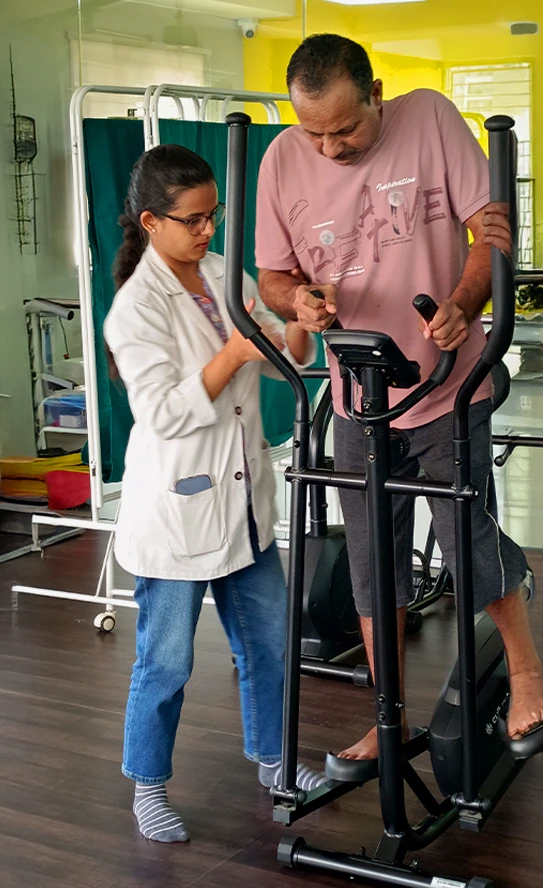
A physiotherapist reviews your symptoms, skin condition, medical history and
rehabilitation goals before deciding whether dry cupping is appropriate.
Supportive, Not Standalone Care
Cupping may be considered only as one part of a broader physiotherapy and
exercise-based rehabilitation plan.
Common Questions
Frequently Asked Questions About Cupping Therapy
Cupping therapy involves placing cups on the skin to create suction. It may be used as
a complementary technique for selected muscle-related symptoms, but it should not
replace a proper diagnosis, progressive exercise or medical treatment when these are
required.
Temporary circular skin marks can occur after cupping therapy because of the suction
applied to the skin. Their appearance and duration vary. Patients should be informed
about expected skin changes before treatment and advised when to seek help for unusual
reactions.
Apricot Care is located in Kharadi, Pune. The clinic is accessible for people travelling
from Viman Nagar, Chandan Nagar, Wadgaon Sheri, Wagholi and nearby East Pune areas.
No. Cupping therapy should not be promoted as a permanent cure for pain or injury.
Research quality is limited, and any benefit may vary between individuals. It is more
appropriate as a supportive technique within a broader rehabilitation plan.
No. Cupping can cause skin discolouration, burns, scars or infection and may worsen
conditions such as eczema or psoriasis. Tell the therapist about skin problems, current
medicines and relevant medical conditions before treatment. Clean equipment and proper
hygiene are essential.
You can contact Apricot Care through its website booking form or call or WhatsApp the
clinic. Confirm that cupping therapy is suitable for your condition and ask whether a
physiotherapy assessment is required before scheduling the session.

.webp)